
World Cup 2026 Host Cities: A Travel Guide to All 16 Venues
From the altitude of Mexico City's Estadio Azteca to the Pacific coast energy of Vancouver — a city-by-city breakdown of all 16 World Cup 2026 venues with travel tips for each.
Update, September 2026: the tournament ran from June 11 to July 19 and has now finished. All sixteen cities remain destinations in their own right, and the notes on neighbourhoods, transport and food still apply to an ordinary visit. Sixteen host cities. Three countries. Four time zones. The FIFA World Cup 2026 is as much a geography lesson as a football tournament. Choosing which cities to visit — or which fan zones to watch from — requires understanding what each city offers beyond the stadium. This guide breaks down all 16 venues: the neighbourhood, the transport, the food, the things worth doing when you are not watching football, and the honest trade-offs of each.
Planning this trip?
Find flights now
Compare prices across 700+ airlines and OTAs in one search — find the real lowest fare without the inflated middleman markup.
Search flightsNeed a place to stay?
Search hotels
USA Host Cities: The Big Four
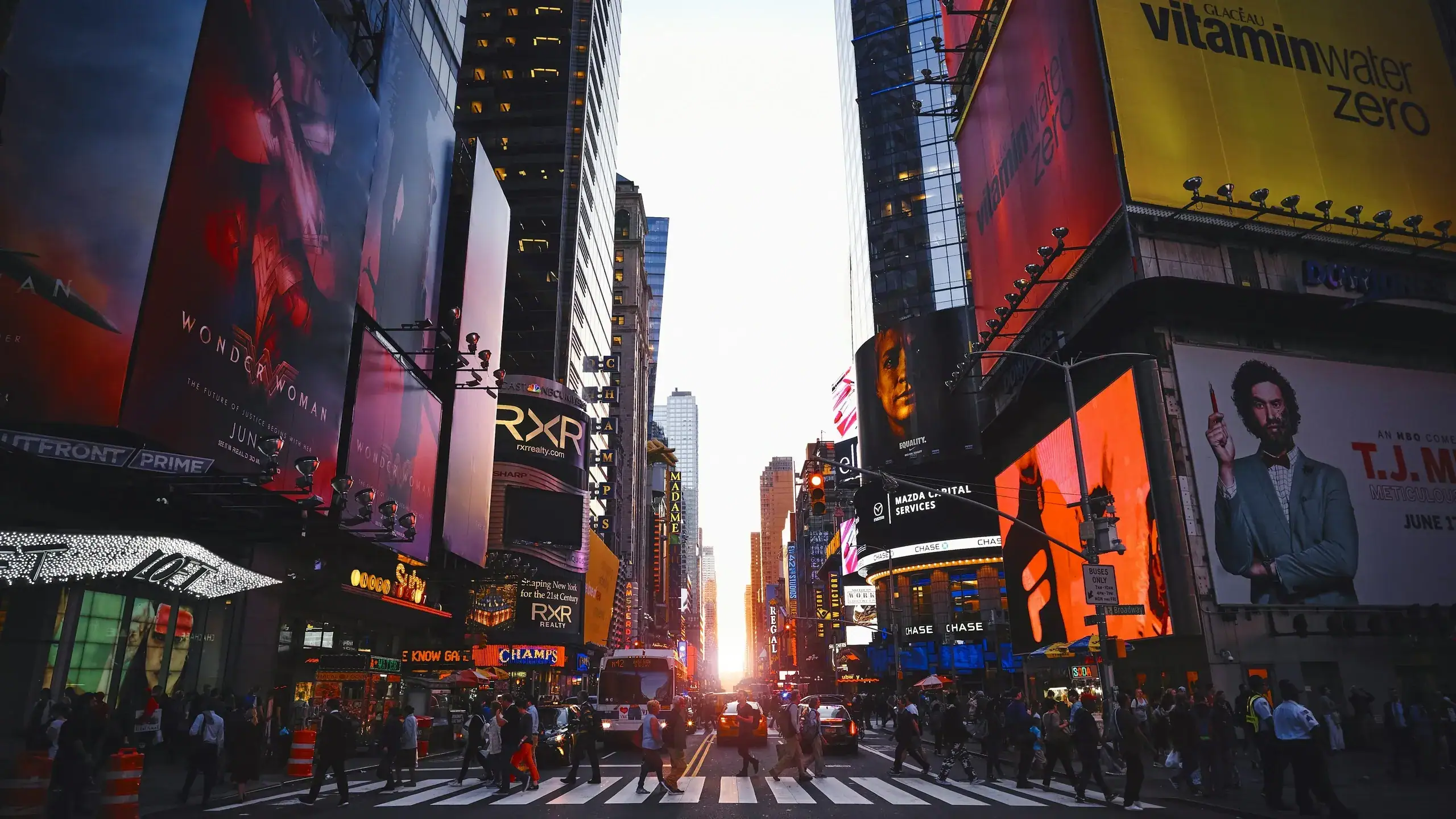
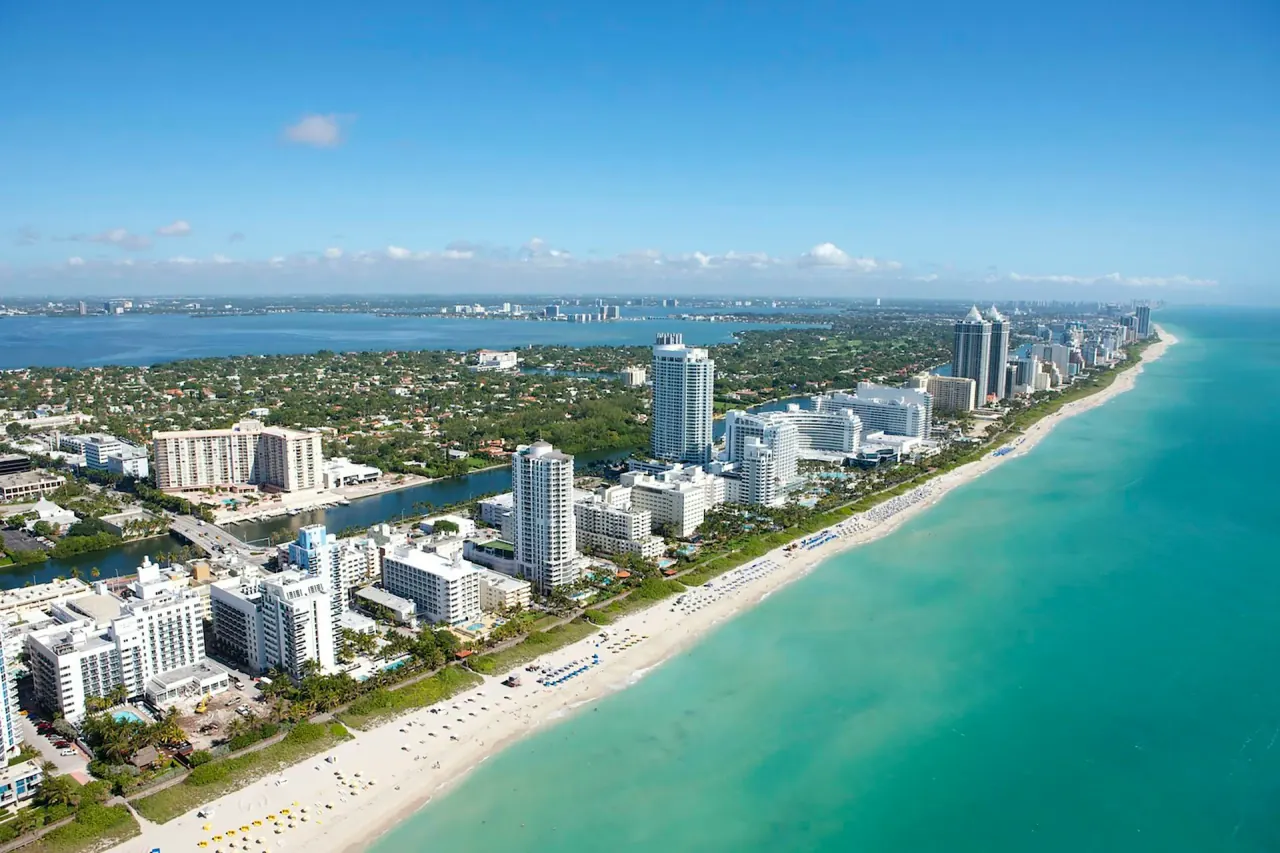
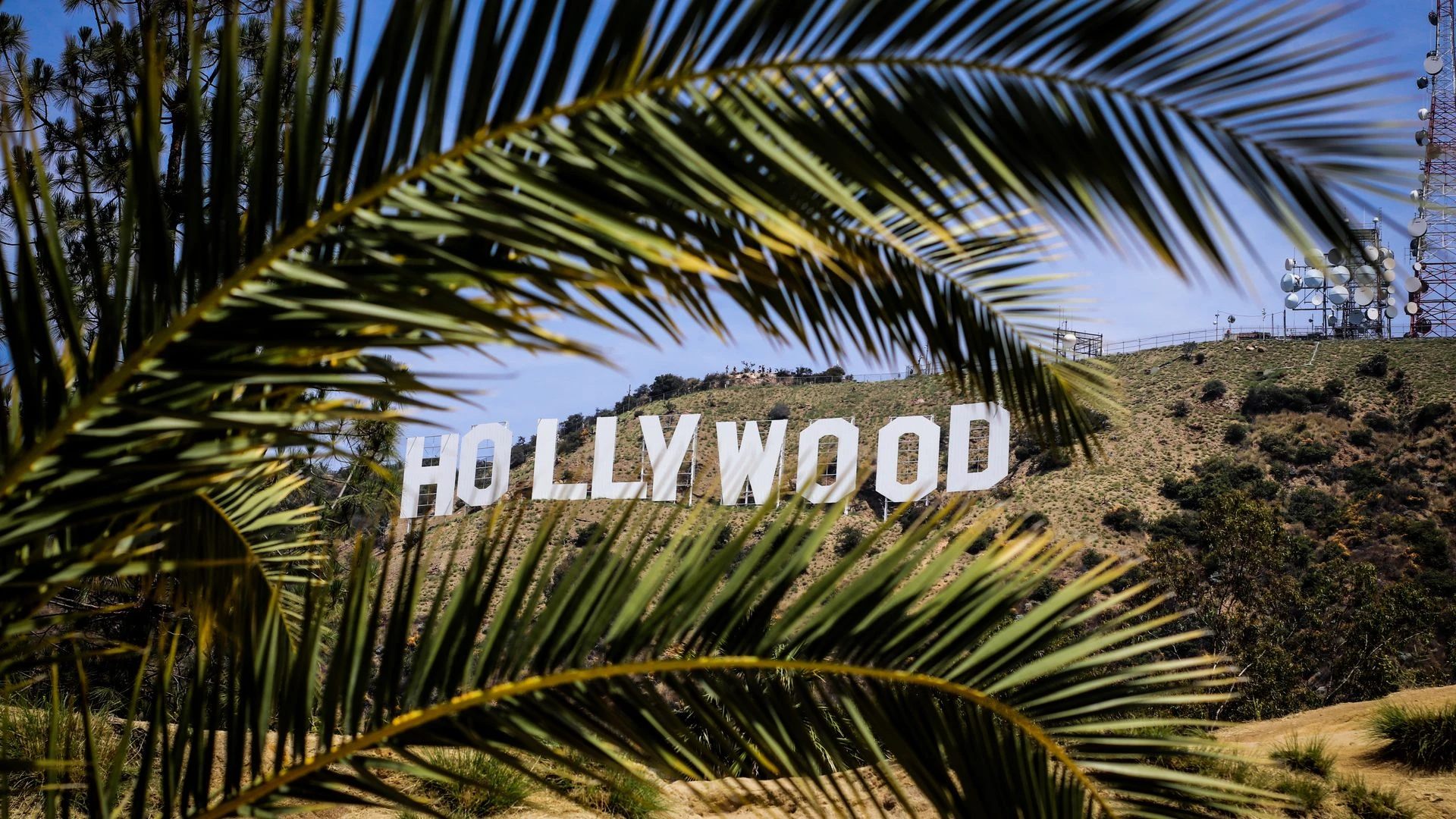
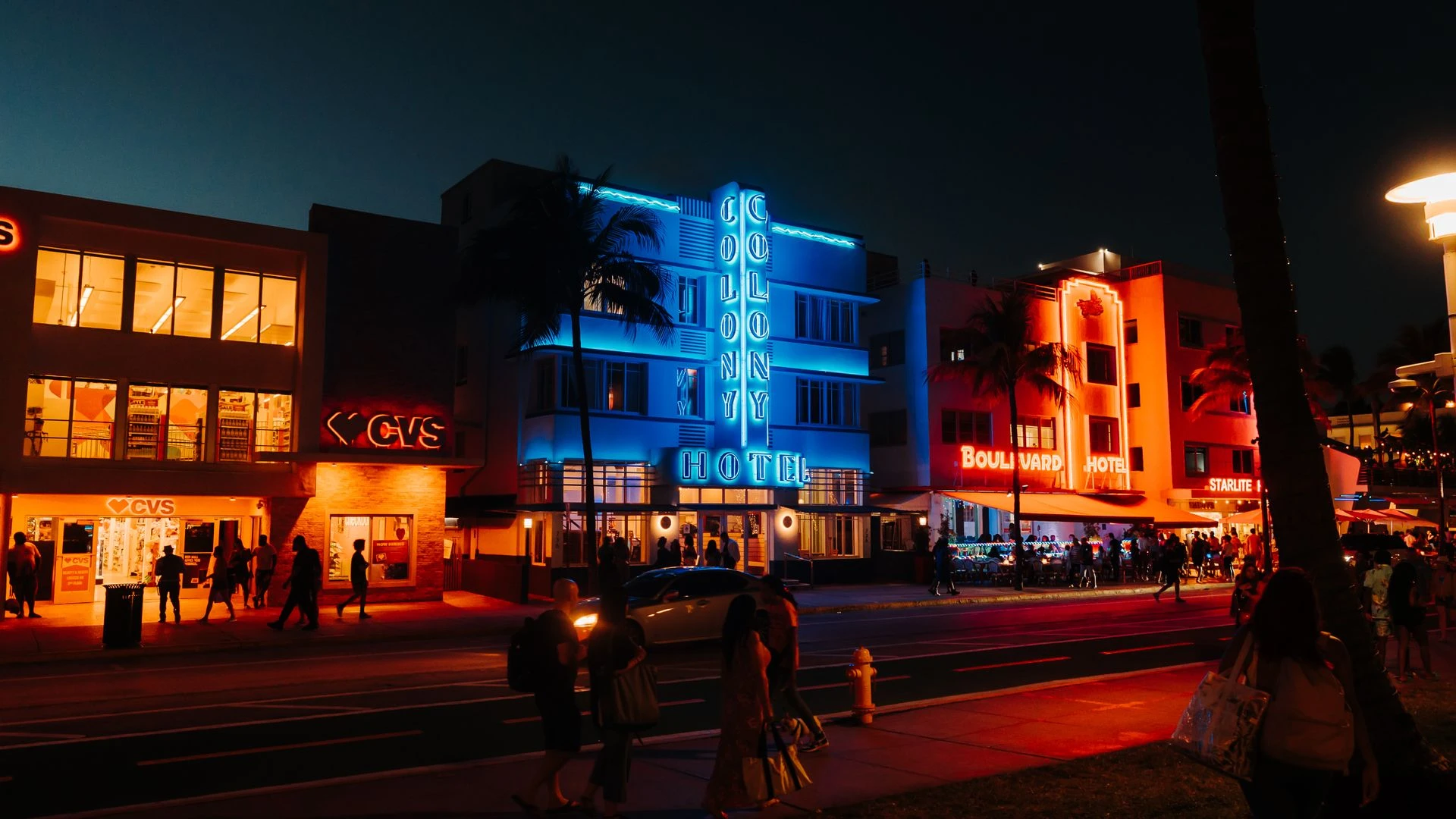
**New York / New Jersey — MetLife Stadium** The final city. MetLife Stadium sits across the Hudson River in East Rutherford, NJ, reachable by NJ Transit train from Penn Station (about 30 minutes). New York adds the full weight of the world's most famous skyline to the occasion. Stay in Manhattan — Midtown for convenience, Brooklyn for atmosphere — and cross the river for match days. The city's restaurant scene, with every world cuisine represented within walking distance of most hotels, is unmatched in the host city roster. **Los Angeles — SoFi Stadium** SoFi Stadium in Inglewood is a 20-minute drive from LAX and served by a Metro Rail extension. Los Angeles rewards extended stays — Santa Monica beach walks, the Getty Centre, the food markets of Grand Central Market. In summer (June–July), LA offers reliably perfect weather: warm, dry, and sunny. **Dallas — AT&T Stadium** The largest venue in the tournament at 92,100 seats. AT&T Stadium is in Arlington, between Dallas and Fort Worth, reachable by Trinity Railway Express. Dallas in June–July is hot (35–40°C regularly) — plan indoor activities between match days. The city compensates with exceptional barbecue, a strong arts district, and the best deep-dish pizza this side of Chicago. **Miami — Hard Rock Stadium** Miami is the most Latin of the US host cities — Spanish-speaking, Cuban coffee on every block, and a cultural energy that will feel familiar to fans from South America and the Caribbean. Hard Rock Stadium is in Miami Gardens, 30 minutes from South Beach. The nightlife (Wynwood, Brickell, South Beach) ensures the city never stops between match days.
USA Host Cities: The Rest of the Roster
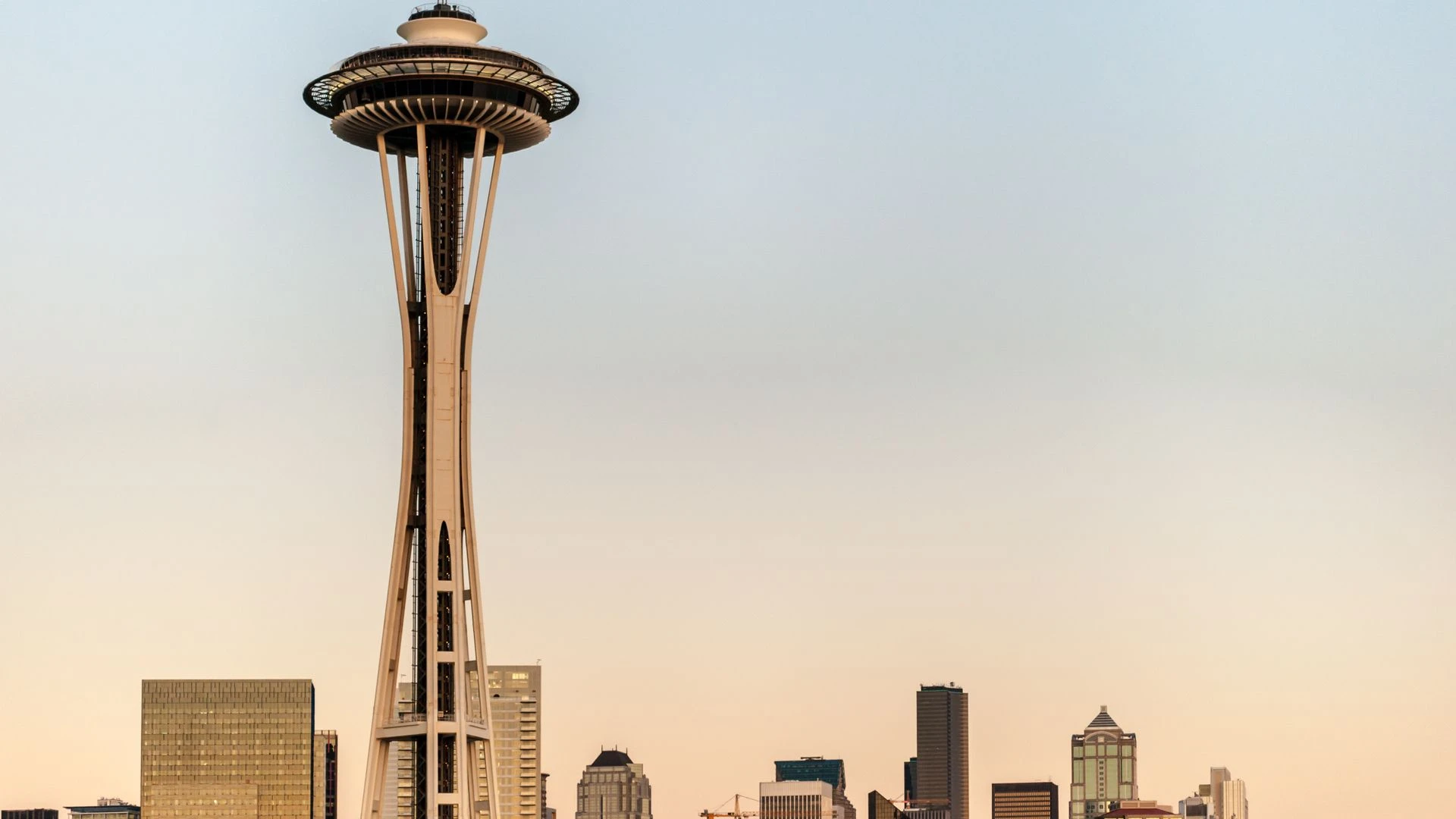
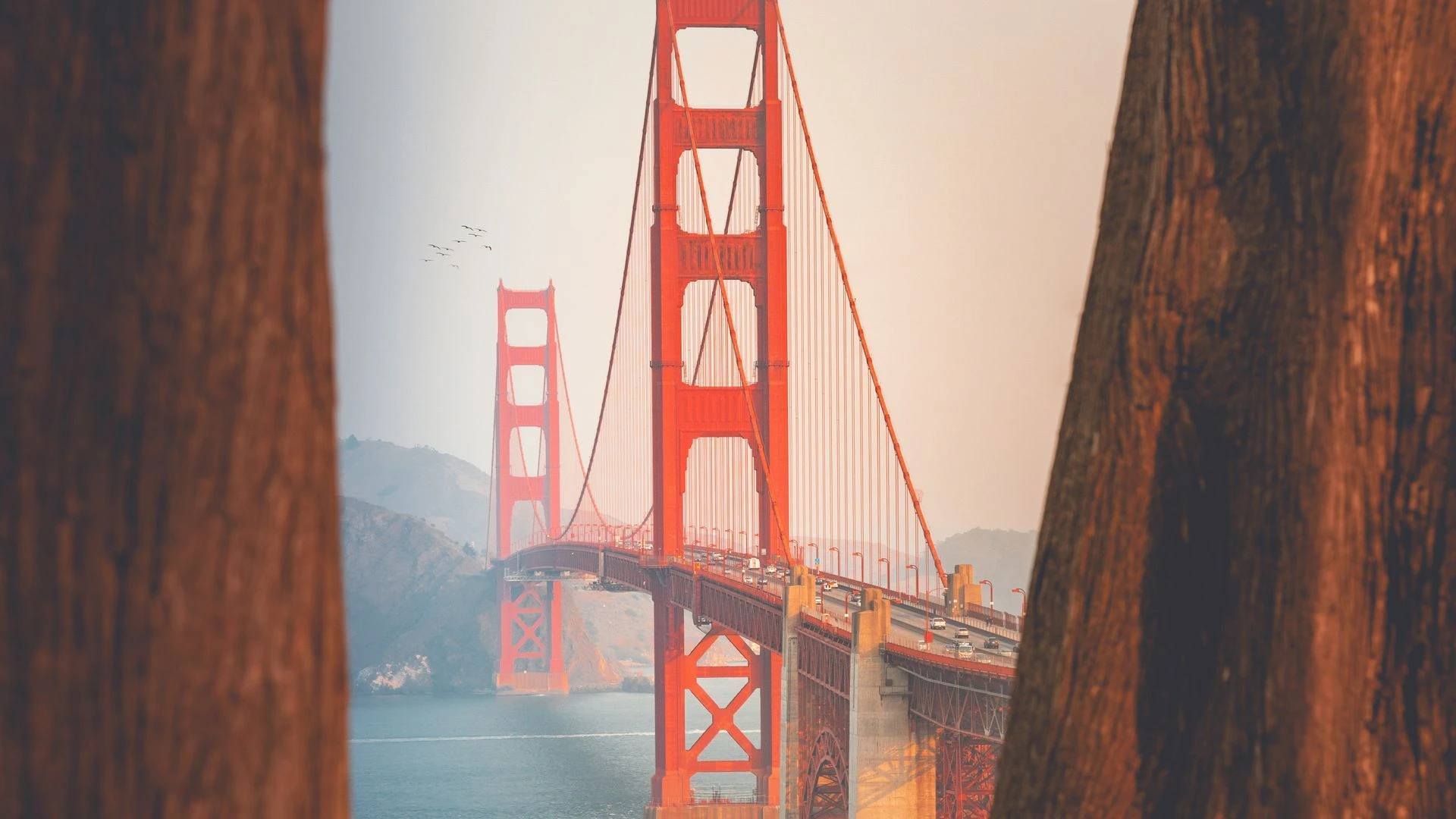
**Atlanta — Mercedes-Benz Stadium** Mercedes-Benz Stadium is among the architecturally striking venues in sport — a retractable roof, a 360-degree halo scoreboard, and a walkable location 10 minutes from downtown Atlanta. The city offers the Martin Luther King Jr. National Historic Site, the Georgia Aquarium, and a food scene built around Southern cuisine. **Seattle — Lumen Field** Lumen Field is downtown, walkable from the waterfront. Seattle adds Pike Place Market, the original Starbucks, and the Space Needle to the match day itinerary. The proximity to Vancouver (4 hours by Amtrak Cascades) makes a dual-city trip highly practical. **Boston — Gillette Stadium** Gillette Stadium is in Foxborough, 45 minutes from Boston by commuter rail. Boston itself — the Freedom Trail, Harvard, the waterfront — is worth arriving early for. Allow extra time on match days; the commuter rail fills quickly. **San Francisco Bay Area — Levi's Stadium** Levi's Stadium is in Santa Clara, 45 minutes from San Francisco by VTA light rail. The Bay Area adds extraordinary food (San Francisco's restaurant scene is exceptional), Alcatraz, the Golden Gate Bridge, and day trips to Napa Valley. **Houston — NRG Stadium** Houston is underappreciated by international visitors. The city is the most ethnically diverse in the USA, with exceptional Vietnamese, Mexican, and Indian food scenes. NRG Stadium is 7 miles from downtown. **Kansas City — Arrowhead Stadium** The smallest market among the US host cities, with Arrowhead Stadium known as one of the loudest in American sport. Kansas City adds world-famous barbecue (Joe's Kansas City, Arthur Bryant's) and a revitalised River Market district. **Philadelphia — Lincoln Financial Field** Philadelphia adds the Liberty Bell, the Philadelphia Museum of Art (Rocky steps), and some of the best cheesesteak arguments in America. Lincoln Financial Field is in South Philadelphia, 20 minutes from Center City.
Mexico Host Cities: Three Very Different Experiences
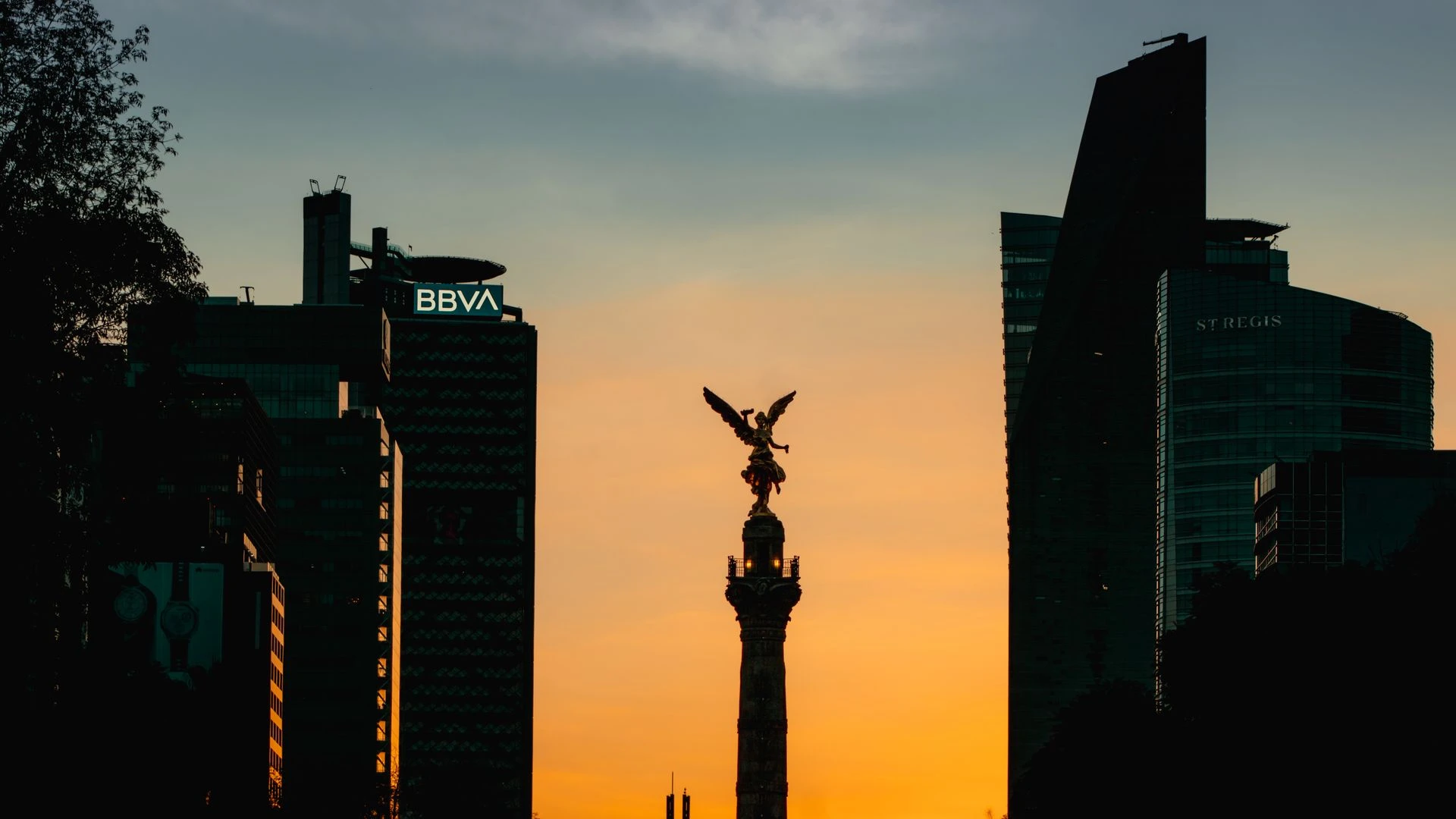
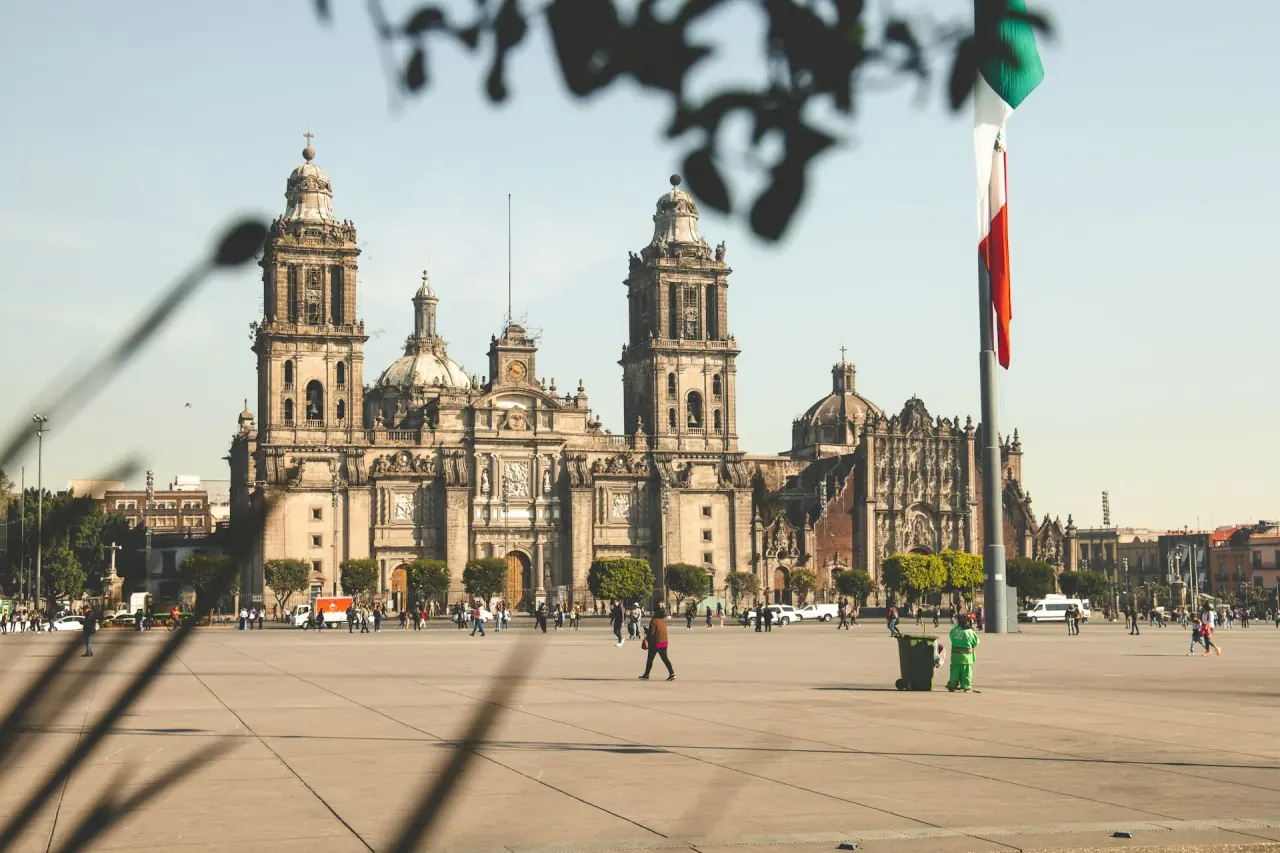
**Mexico City — Estadio Azteca** The most historic stadium in World Cup football. Estadio Azteca has hosted two World Cup finals (1970 and 1986) and the greatest individual World Cup goal ever scored (Maradona's second goal against England in 1986). At 2,240 metres altitude, Mexico City requires 24–48 hours of acclimatisation on arrival. Beyond football, the city offers the Zócalo (one of the world's largest public squares), the Teotihuacán pyramids (45 minutes away by bus), the Frida Kahlo Museum in Coyoacán, and a food scene that ranges from street tacos at 20 pesos to tasting menus at Pujol (ranked among the world's best restaurants). Mexico City is the most compelling non-football destination among all 16 host cities. **Guadalajara — Estadio Akron** Mexico's second city is the home of tequila, mariachi, and Chivas de Guadalajara — one of the country's most supported clubs. Estadio Akron is modern and well-connected to the city centre. Guadalajara rewards two or three days: the historic centro with its cathedral and murals by José Clemente Orozco, the tequila town of Tequila (2 hours away by the Tequila Express train), and a restaurant scene built on traditional Jalisco cuisine. **Monterrey — Estadio BBVA** Mexico's industrial capital and the wealthiest city in the country. Estadio BBVA is considered a genuinely beautiful club stadiums in Latin America, with the Cerro de la Silla mountain as a backdrop. Monterrey sits near the Texas border (3 hours from San Antonio), making it a practical first stop for fans entering Mexico from the US.
Canada Host Cities: Vancouver and Toronto
**Vancouver — BC Place** BC Place is in downtown Vancouver, walking distance from the waterfront, Gastown, and the Yaletown restaurant district. Vancouver is among the naturally beautiful cities in the world — North Shore mountains visible across the harbour, Stanley Park at the edge of downtown, exceptional Japanese and Chinese food driven by the city's large Asian community. In June–July, Vancouver weather is reliably warm and dry — the best summer climate of any Canadian host city. Vancouver is also the natural combination with Seattle — four hours south by Amtrak Cascades, which crosses the US–Canada border through striking Pacific Northwest scenery. A World Cup trip combining both cities requires no flights and only one border crossing. **Toronto — BMO Field** BMO Field sits on the Toronto waterfront, part of Exhibition Place. Toronto is the most multicultural city in North America — over 200 languages spoken, neighbourhood by neighbourhood representing the world's cuisines and cultures. Kensington Market for bohemian street food, Chinatown, the St. Lawrence Market, and Little Italy within walking or cycling distance of each other. The CN Tower and Niagara Falls (90 minutes away) are the obligatory additions to any Toronto visit.
What Makes Each Host City Different: A Practical Breakdown
The 16 host cities represent three distinct travel contexts. US cities (New York/NJ, Los Angeles, San Francisco Bay Area, Seattle, Dallas, Houston, Kansas City, Atlanta, Miami, Philadelphia, Boston) are linked by an efficient domestic flight network but have wide variation in stadium access and hotel pricing. Pacific Coast cities (Seattle, San Francisco) offer cooler June weather ideal for fans from northern Europe and South America. Texas cities (Dallas, Houston) will have summer heat in the 35–40°C range—hydration and sun protection are serious considerations, not afterthoughts. Canada's two cities (Toronto, Vancouver) offer the most straightforward logistics for European fans arriving via transatlantic flights, with international terminals and good city transit. Neither city has the extreme June heat of US Sun Belt venues. Mexico City is the highest-altitude venue at 2,240m above sea level—fans arriving from sea level may experience mild altitude symptoms during the first 24–48 hours, worth factoring into match-day plans.
Cross-Border Travel Between Host Countries: Visas and Logistics
International fans attending matches across multiple host countries need to plan for three separate entry requirements. The US requires ESTA for Visa Waiver Program countries (most EU, UK, Australia, Japan) or a B-1/B-2 visa for others. Canada has its own eTA (Electronic Travel Authorization) or visa requirement. Mexico uses a tourist card (FMM) or visa depending on nationality. The good news: the US, Canada, and Mexico have established border crossing infrastructure, and World Cup tournament visitors will benefit from dedicated lanes and expedited processing at major border points. Still, pre-register your ESTA and Canadian eTA at least 72 hours before crossing—weekend processing times can extend significantly during the tournament period. For fans planning a multi-country itinerary (a common approach given FIFA's spread-out group stage schedule), budget 4–6 hours for US-Canada land border crossings during peak tournament weeks. Air connections between host cities are faster and often more reliable than ground transport across the border during high-traffic periods.
Frequently asked questions
New York, Los Angeles, or Miami for the broadest experience. New York adds the final match and the most iconic city in the world. LA offers perfect summer weather and beach culture. Miami provides the most Latin-friendly atmosphere and is ideal for South American supporters. For something beyond the obvious, Atlanta and Seattle are both excellent cities that reward visitors who take time to explore.
The 16 host cities of World Cup 2026 represent a cross-section of North American life in a way no single country could provide. From the altitude and history of Mexico City to the Pacific coast natural beauty of Vancouver, from the steel and ambition of Dallas to the Latin Caribbean energy of Miami — the tournament is an invitation to explore a continent as much as to watch football. Pick your cities for the matches; stay longer for everything else.
Get there
Flights
One search across 700+ airlines — find the real lowest fare for your dates.
Search flightsWhere to stay
Hotels
Browse verified hotels and stays — instant confirmation, secure booking.
Book on KKdayThings to do
Activities
Tours, attractions, and day trips — free cancellation on most experiences.
Book on KlookTours & Experiences
Book the experiences, not just the trip
Skip-the-line tickets, guided tours, and day trips — free cancellation on most, confirmed instantly.
About the author
Camille Laurent
Senior Travel Editor · Based in Lisbon · Bali
Camille has spent the last 9 years living in or reporting from over 60 countries. Former contributor to Condé Nast Traveler and Monocle, she focuses on Southeast Asia, Mediterranean Europe, and the Middle East. Currently based between Lisbon and Bali.
Read next — destinations
More from The Edit
Travel Guides
World Cup 2026 Travel Guide: Everything You Need to Know About USA, Mexico & Canada
The FIFA World Cup 2026 spans 16 host cities across three countries. Here is your complete travel guide — stadiums, cities, visa rules, transport, and how to make the most of the biggest sporting event on earth.
14 min read
Hotel Picks
Where to Stay for World Cup 2026: Best Hotels and Neighbourhoods in Every Host City
Hotels near World Cup 2026 venues are selling out fast. Here is where to stay in New York, Los Angeles, Miami, Mexico City, Vancouver, and every host city — with neighbourhood guides and booking tips.
11 min read
Travel Guides
How to Attend World Cup 2026: Tickets, Planning, and Everything You Need to Know
Getting to the World Cup 2026 requires navigating FIFA's ticketing system, visa applications, and hotel bookings across three countries. Here is the complete step-by-step guide.
10 min read