
World Cup 2026 on a Budget: How to Experience the Tournament Without Going Broke
The 2026 World Cup will be the most expensive in history to attend — unless you ignore the parts you're supposed to pay for. Here's how to experience it on a real budget.
Update, September 2026: the tournament ran from June 11 to July 19 and has now finished. Ticket and hotel timing below is now historical, but the budget principles (free fan festivals, flexible flights, staying outside the busiest districts) apply to any major event, and the host cities remain worth visiting. Every headline about the 2026 World Cup mentions record prices — record ticket demand, record hotel rates, record everything. All of that is true if you play the tournament the expensive way: chasing knockout tickets in marquee cities at the last minute. But the same tournament can be done on a genuine budget, and the budget version is often the better trip. The trick is knowing which costs are optional (most of them) and where your money actually goes furthest.
Planning this trip?
Find flights now
Compare prices across 700+ airlines and OTAs in one search — find the real lowest fare without the inflated middleman markup.
Search flightsNeed a place to stay?
Search hotels
The Single Biggest Saving: Skip the Ticket
Match tickets are the most expensive, most stressful, and most supply-constrained part of the World Cup. They are also entirely optional. Every host city runs a **free FIFA Fan Festival** for the whole tournament — giant screens, live music, food, and an atmosphere that, on a big match day, rivals or beats the stadium. For the cost of a single resale knockout ticket, you could attend a fan festival every day of a two-week trip. Our honest recommendation: if a stadium match is a bucket-list item, buy one group-stage ticket (the cheapest tier) and treat the rest of the trip as a free-football trip. See our full [fan zones guide](/world-cup-2026-fan-zones) for how to do this well. This one decision is the difference between a $5,000 trip and a $1,500 one.

Accommodation: Where the Money Really Goes
Beds are the tightest and most variable cost of a World Cup trip. Two principles save the most: **Stay outside the centre.** A meaningful share of host-city listings sit under $500/night even at peak — and rates drop steeply a short transit ride from the stadium and fan-zone districts. You are not spending evenings in your room; you are at the festival. Trade location for price. **Self-cater.** For families and groups — over half of all World Cup trips — a kitchen is the biggest single saving after tickets. A rental with a kitchen turns three daily restaurant bills into one grocery run. **Pick a cheaper base city.** Not all host cities cost the same. The less-hyped venues — and Canadian and several US cities outside the absolute peak knockout windows — are materially cheaper than a marquee city during the final. Vancouver, Toronto, and the Mexican host cities often deliver more value per night than New York in mid-July.
Flights: Timing Beats Luck
Flights are the second-biggest cost, and timing is everything. **Travel during the group stage** (June 11–27). Demand and fares are lowest before the field narrows; knockout-week flights into marquee cities are the priciest of the summer. **Be flexible on the airport.** Several host regions have multiple airports — flying into a secondary airport and taking transit in can cut fares significantly. **Book inter-city legs early.** If you're doing multiple cities, internal flights spike around match days. Lock them in with your hotels. Our [cheap flights guide](/how-to-find-cheap-flights) covers the search tactics that actually move the price. **Consider basing in one city.** The cheapest World Cup of all is a single-city trip: one set of flights, one accommodation booking, and a fan festival on your doorstep for five weeks of football.
On-the-Ground Costs: The Small Stuff Adds Up
**Use public transit.** Several host cities offer free or discounted match-day transit for ticket holders, and transit is cheaper and faster than rideshare to packed stadium and fan-zone districts on match days. A weekly transit pass pays for itself in two trips. **Eat where locals eat.** Stadium and tourist-district food carries a heavy premium. The food halls, markets, and neighbourhood spots a few blocks away are a fraction of the price — and better. In Mexican host cities, street food is both the cheapest and the best option. **Carry a refillable water bottle.** June–July heat across the southern host cities makes hydration non-negotiable, and bought water at events is expensive. Fill up before you go. **Avoid match-day surge everything.** Rideshare, parking, and even some food surge on match days. Plan to be in place before the rush and to leave after the immediate post-match crush.
A Realistic Budget Blueprint
Here's how the budget version comes together for a one-week, one-city trip: **Accommodation:** a self-catering rental outside the centre, ideally split with a group — your largest cost, but capped by staying out of the marquee districts. **Football:** free fan festival daily, plus optionally one cheap group-stage ticket. **Food:** groceries + markets + street food, with a few sit-down meals as treats rather than the default. **Transport:** a weekly transit pass instead of rideshare. **Flights:** booked early, group-stage dates, flexible airport. The expensive World Cup is real — but it's a choice. The budget World Cup, built around free fan festivals, sub-$500 stays outside the centre, group-stage timing, and public transit, delivers the same five weeks of football and atmosphere for a fraction of the cost. For more on choosing the right base, see our [where to stay guide](/world-cup-2026-where-to-stay).
Small habits that keep a tournament trip affordable
Big events tempt travellers to overspend, so set limits before you go. Decide on a daily budget and track it, using a spending app or a simple note on your phone. Look for accommodation outside the busiest districts, with good transit links, and book cancellable options early so you can adjust if plans change. Use public transport instead of taxis, and carry a refillable water bottle. Eat one main meal a day and choose cheaper options for the others. Watch some matches in fan zones instead of buying every ticket, and keep a small emergency reserve. A modest, well-tracked budget lets you enjoy the atmosphere without worrying about the bill afterwards.
Frequently asked questions
Build your trip around the free FIFA Fan Festivals instead of match tickets, stay in a self-catering rental outside the city centre (a meaningful share of listings are under $500/night), travel during the cheaper group stage, and use public transit over rideshare. This can turn a $5,000 trip into roughly $1,500.
The 2026 World Cup will be the most expensive in history for the fans who pay for the expensive parts — last-minute knockout tickets, marquee-city hotels in mid-July, rideshare everywhere. It will be genuinely affordable for the fans who don't. Skip the ticket (or buy just one), stay outside the centre, travel in the group stage, self-cater, and ride transit, and you can experience a full World Cup for the price of a normal summer holiday. The budget trip isn't the compromise — for most fans, it's the smarter way to do the whole thing.
Get there
Flights
One search across 700+ airlines — find the real lowest fare for your dates.
Search flightsWhere to stay
Hotels
Browse verified hotels and stays — instant confirmation, secure booking.
Book on KKdayThings to do
Activities
Tours, attractions, and day trips — free cancellation on most experiences.
Book on KlookTours & Experiences
Book the experiences, not just the trip
Skip-the-line tickets, guided tours, and day trips — free cancellation on most, confirmed instantly.
About the author
Marcus Chen
Hotels & Deals Editor · Based in New York City
Marcus reviews hotels for a living — and has slept in over 400 of them. Before TravelBuzzy, he ran the hotel desk at a major loyalty publication and consulted for two boutique hotel groups. He covers the Americas, Japan, and luxury travel.
More from The Edit

Travel Guides
World Cup 2026 Travel Guide: Everything You Need to Know About USA, Mexico & Canada
The FIFA World Cup 2026 spans 16 host cities across three countries. Here is your complete travel guide — stadiums, cities, visa rules, transport, and how to make the most of the biggest sporting event on earth.
14 min read
Travel Guides
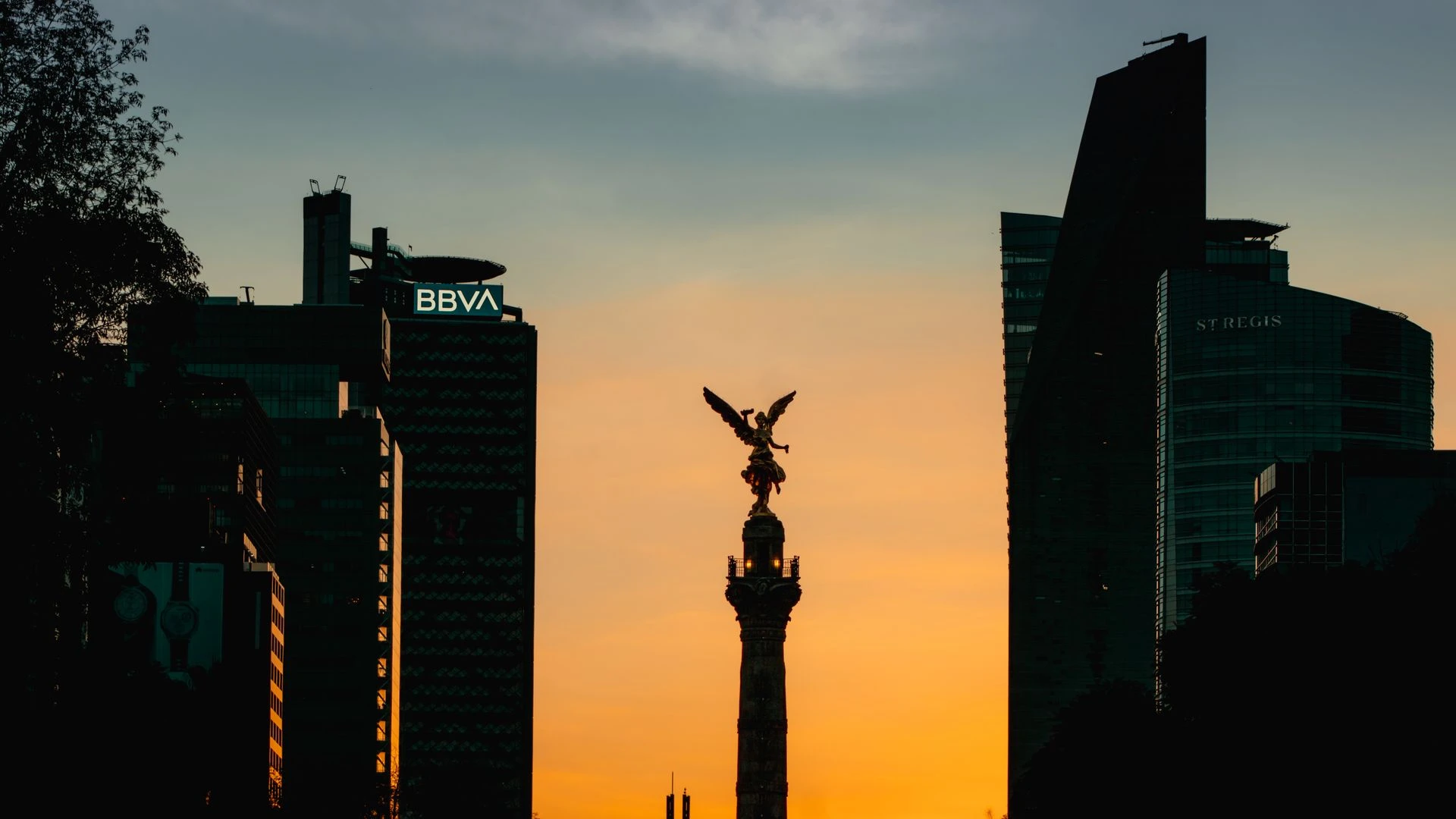
World Cup 2026 Host Cities: A Travel Guide to All 16 Venues
From the altitude of Mexico City's Estadio Azteca to the Pacific coast energy of Vancouver — a city-by-city breakdown of all 16 World Cup 2026 venues with travel tips for each.
12 min read
Hotel Picks
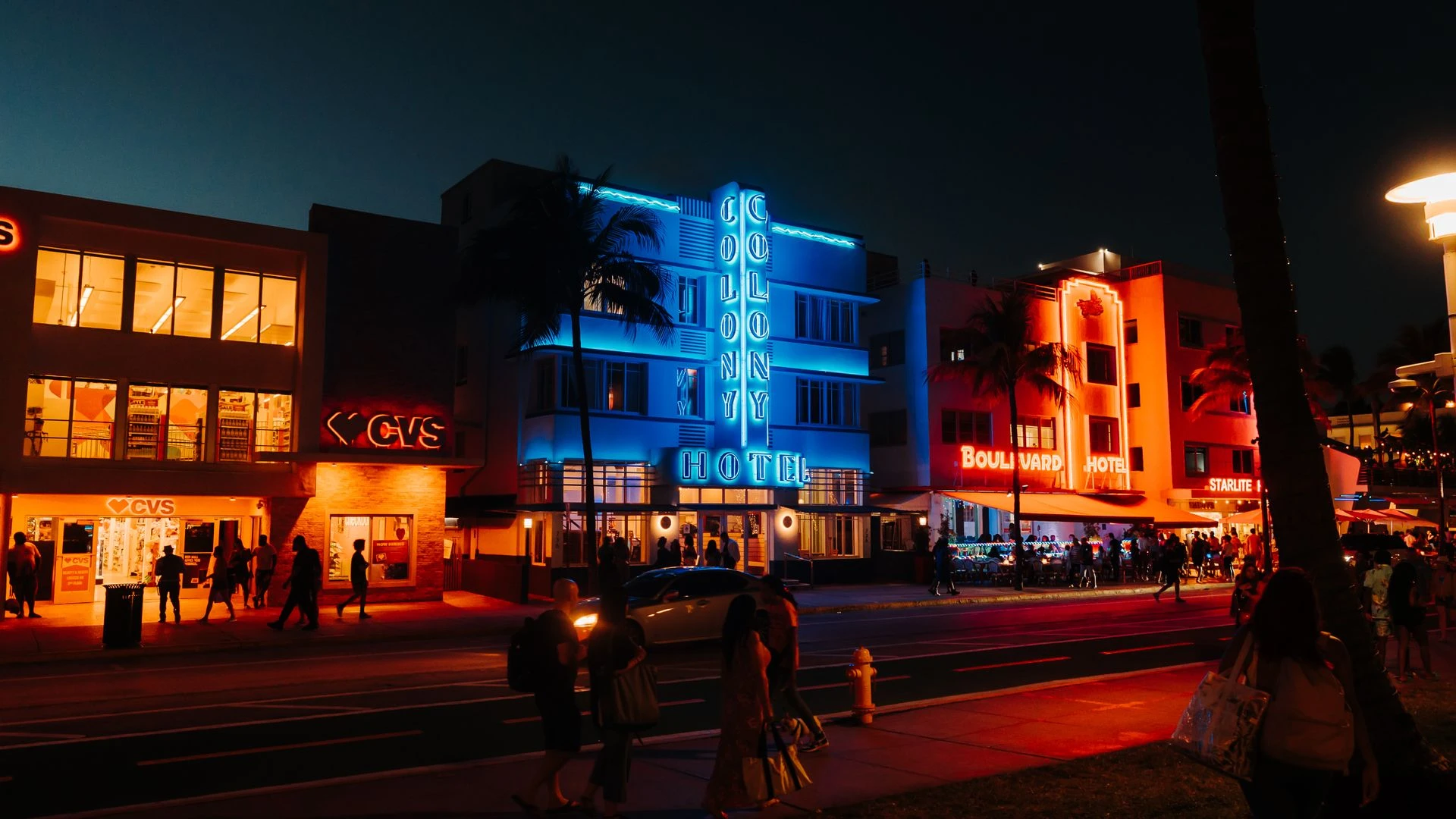
Where to Stay for World Cup 2026: Best Hotels and Neighbourhoods in Every Host City
Hotels near World Cup 2026 venues are selling out fast. Here is where to stay in New York, Los Angeles, Miami, Mexico City, Vancouver, and every host city — with neighbourhood guides and booking tips.
11 min read
Travel Guides
World Cup 2026 Fan Zones & FIFA Fan Festivals: The Free Way to Experience the Tournament
Match tickets are scarce and expensive. The free fan zones are not — and in many host cities, they will be the better atmosphere anyway. Here is how to do the 2026 World Cup without a single match ticket.
9 min read

Money & Deals
How to Find Cheap Flights — 12 Booking Strategies That Actually Work in 2026
The flight price algorithms are designed to extract maximum revenue. These twelve strategies systematically exploit the gaps — including the one that consistently cuts long-haul prices by 25–40%.
11 min read