
Thailand vs Vietnam: Which Southeast Asia Trip Is Right for You?
Southeast Asia's two most popular destinations are frequently compared but rarely understood in opposition. Thailand has perfected tourist infrastructure. Vietnam has a geographical range — 1,650km north to south — that Thailand cannot match. The question is what kind of trip you want.
Thailand and Vietnam are Southeast Asia's two dominant travel destinations, and they attract different types of visitors. Thailand has spent forty years building a tourist infrastructure that works reliably: good roads, widespread English, beach resorts with consistent standards, and a temple density in the north that produces excellent cultural touring. Vietnam has a narrower corridor of land containing one of Asia's most diverse cultural and geographical ranges — the French colonial architecture of Hanoi, the limestone karsts of Ha Long Bay, the UNESCO-listed tailoring town of Hoi An, and the relentless energy of Ho Chi Minh City. Neither is the right choice in all circumstances.
Planning this trip?
Find flights now
Compare prices across 700+ airlines and OTAs in one search — find the real lowest fare without the inflated middleman markup.
Search flightsNeed a place to stay?
Search hotels
Beaches: Thailand Wins for Reliability, Vietnam for Scenery
Thailand's beaches are the primary reason most visitors come. Koh Samui, Krabi, Koh Lanta, and the Similan Islands offer consistently clear water, accessible snorkelling, and well-developed resort infrastructure. Koh Tao is one of Southeast Asia's best dive sites. The beach experience is predictable in the best sense: if you book a quality resort in Krabi, it will deliver. Vietnam's coastline is 3,400km long and contains dramatic variety. Ha Long Bay's limestone karst archipelago is one of Asia's most striking landscapes. Hoi An's An Bang Beach has a different character — quieter, less developed, with good independent restaurants. The challenge: Vietnam's beach weather is complex. The country spans 13 degrees of latitude, and different sections experience peak and off-peak season at different times. **Verdict:** Thailand for reliable, warm, clear-water beach holidays. Vietnam for scenic coastal diversity with more seasonal planning required.
Food: Both Exceptional, Different Traditions
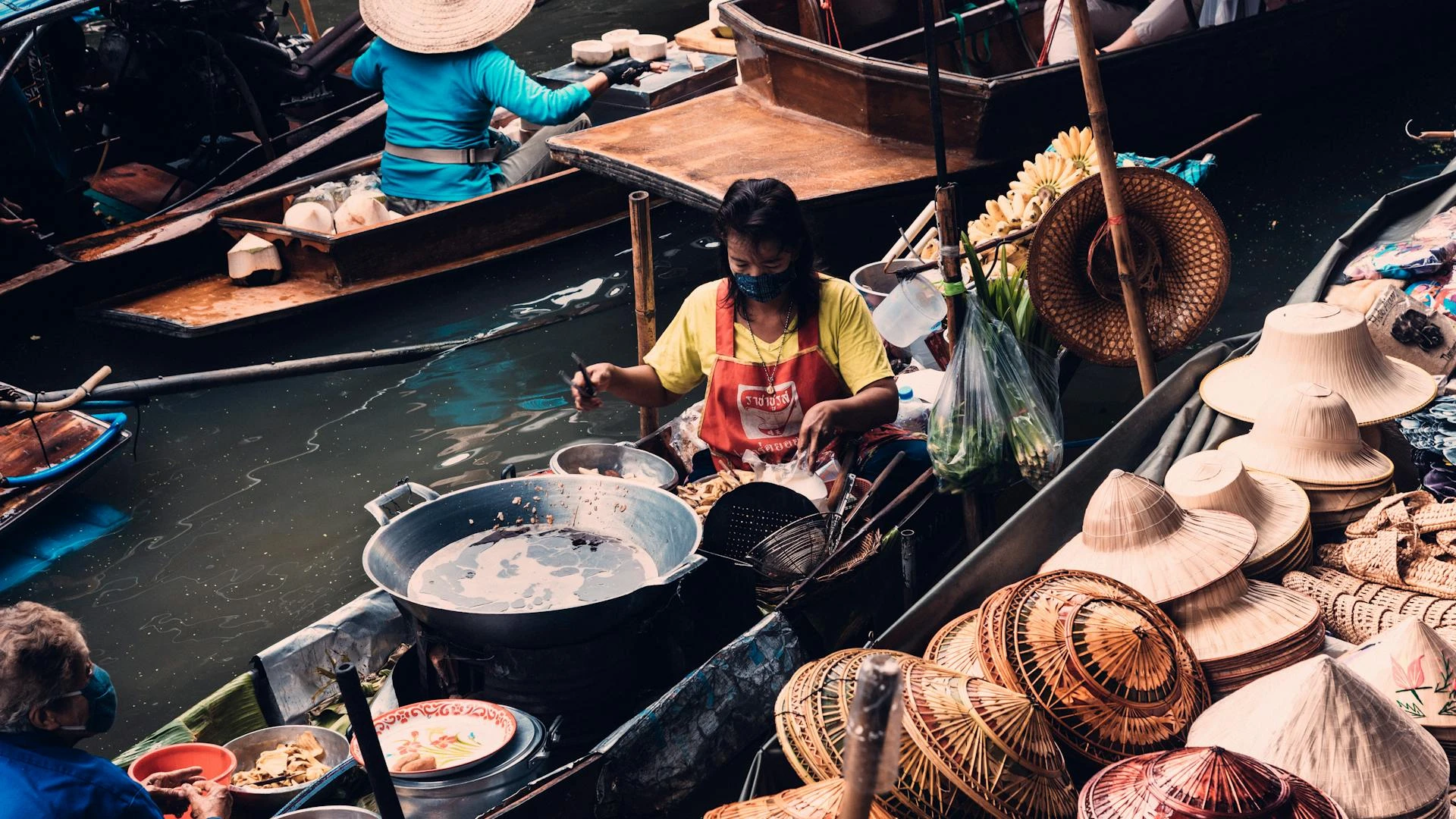
Thai food is globally recognised for a reason: the balance of sweet, sour, salty, and spicy, the use of fresh herbs, and the sophistication of dishes like massaman curry, pad Thai, and tom kha are genuinely exceptional. Bangkok's street food scene is one of Asia's best. The culinary range across Thai regions (northern vs southern vs Bangkok) is wider than most visitors explore. Vietnamese food is more regionally differentiated and arguably more varied in a single trip. Hanoi's pho, bún chả, and bánh cuốn are distinct from Hoi An's cao lầu and white rose dumplings, which are different again from Ho Chi Minh City's bánh mì and fresh spring rolls. Vietnamese cuisine's use of fresh herbs, fermented condiments, and rice-paper wrapping creates a lighter, brighter flavour profile than Thai food's heavier coconut and chili base. **Verdict:** Both are among the world's ten best food cultures. Thai food has broader international fame; Vietnamese food has more regional specificity to discover in a single trip.
Cultural Depth: Vietnam by Significant Margin
Vietnam's 20th-century history — French colonialism, the American War, reunification — has left a cultural and architectural layer that Thailand simply does not have. The War Remnants Museum in Ho Chi Minh City is among the powerful museums in Asia. Hoi An's preservation of its Japanese-merchant quarter and Vietnamese merchant houses creates a UNESCO site with genuine integrity. Hanoi's Old Quarter, the Hue Imperial Citadel, and the Ho Chi Minh Mausoleum contribute to a cultural narrative that is recent enough to feel urgent. Thailand's cultural depth comes primarily from Buddhist temple culture — and it is extraordinary. Chiang Mai's Doi Suthep, Bangkok's Wat Pho and Wat Arun, and Sukhothai's historical park represent centuries of religious architecture and sculpture. But the 20th-century layer is thinner. **Verdict:** Vietnam has a more complex, recent historical narrative that makes cultural tourism richer for visitors who engage with it.
Which to Choose: The Decision Matrix
**Choose Thailand if:** - It's your first Southeast Asia trip - Beaches are your primary goal - You want consistent tourist infrastructure - You have 10–14 days (enough for north + south circuit) - You prioritise comfort and ease of navigation **Choose Vietnam if:** - You've done Thailand and want different - Geographic and cultural variety interests you more than beaches - You're happy to work through a more complex logistics picture - You want to understand Asia's 20th-century history - You have 14+ days (Vietnam is long — rushing it misses its variety) **The honest combined recommendation:** Do Thailand first, Vietnam second. Thailand is forgiving of first-time mistakes. Vietnam rewards a traveller who has learned to work through Southeast Asia and has developed a taste for its specificity.
Thailand vs Vietnam: how to actually make the decision
Thailand and Vietnam are both excellent, and most travellers who visit one end up returning to visit the other within a few years. The comparison is most useful as a first-trip decision tool. **The case for Thailand.** Thailand's infrastructure advantage is real and significant. The tourism industry has been developing since the 1970s, which means English is widely spoken, transport between major destinations is reliable and affordable, and the range of accommodation from backpacker hostel to standout resort is the deepest in Southeast Asia. Getting around Thailand — whether by overnight train, domestic flight, or minivan — requires less planning effort than comparable moves in Vietnam. **The case for Vietnam.** Vietnam's diversity across its north-south axis is the most compelling argument for visiting it over Thailand. Hanoi and Ho Chi Minh City are distinct enough to feel like different countries. The drive between the two includes the Hai Van Pass, Ha Long Bay (yes, crowded — still worth it), Hội An (a genuinely remarkable preserved trading port), the Central Highlands, and the Mekong Delta. No comparable single-country route in Southeast Asia offers this range of geography and culture. **The verdict.** First-time visitor who wants ease, beaches, and reliable tourism infrastructure: Thailand. First-time visitor who wants complexity, history, and north-to-south variety: Vietnam. Both choices are correct; they are answers to different questions.
Frequently asked questions
Thailand is generally easier for first-timers: English is more widely spoken in tourist areas, the infrastructure for budget and mid-range travel is extremely well-developed, and the transport links between Bangkok, Chiang Mai, and the southern islands are reliable and well-priced. Vietnam is slightly more challenging to work through (less English outside major cities), but the payoff is a destination that feels less packaged and more genuinely its own — the food is more varied, the landscape changes dramatically from north to south, and the cost of travel is marginally lower.
Thailand and Vietnam are genuinely different destinations that happen to share a geographical region and a price category. Thailand is easier, more beach-focused, and better at delivering reliable comfort. Vietnam is more geographically varied, culturally deeper, and more rewarding for the traveller who brings curiosity and patience. Most serious Southeast Asia travellers end up visiting both — in which case, Thailand first, Vietnam when you're ready for more.
Get there
Flights
One search across 700+ airlines — find the real lowest fare for your dates.
Search flightsWhere to stay
Hotels
Browse verified hotels and stays — instant confirmation, secure booking.
Book on KKdayThings to do
Activities
Tours, attractions, and day trips — free cancellation on most experiences.
Book on KlookTours & Experiences
Book the experiences, not just the trip
Skip-the-line tickets, guided tours, and day trips — free cancellation on most, confirmed instantly.
About the author
Camille Laurent
Senior Travel Editor · Based in Lisbon · Bali
Camille has spent the last 9 years living in or reporting from over 60 countries. Former contributor to Condé Nast Traveler and Monocle, she focuses on Southeast Asia, Mediterranean Europe, and the Middle East. Currently based between Lisbon and Bali.
More from The Edit
Itineraries
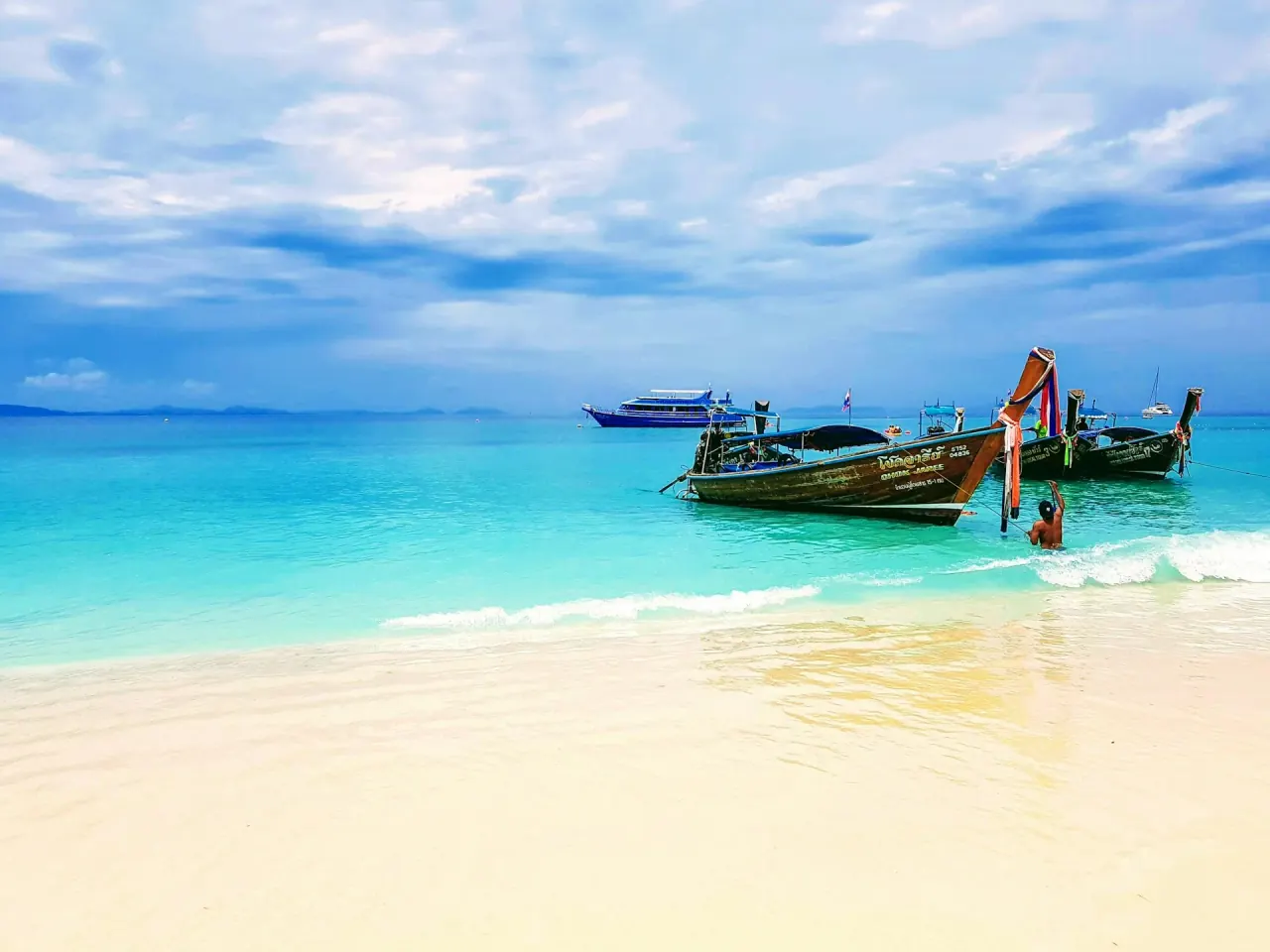
10 Days in Thailand: Bangkok, Chiang Mai, and the Islands
Ten days is the minimum to experience Thailand's three distinct worlds — the chaotic, magnificent capital; the temple-studded north; and the island coast that still has pockets of beauty beyond the party circuit.
15 min read
Itineraries
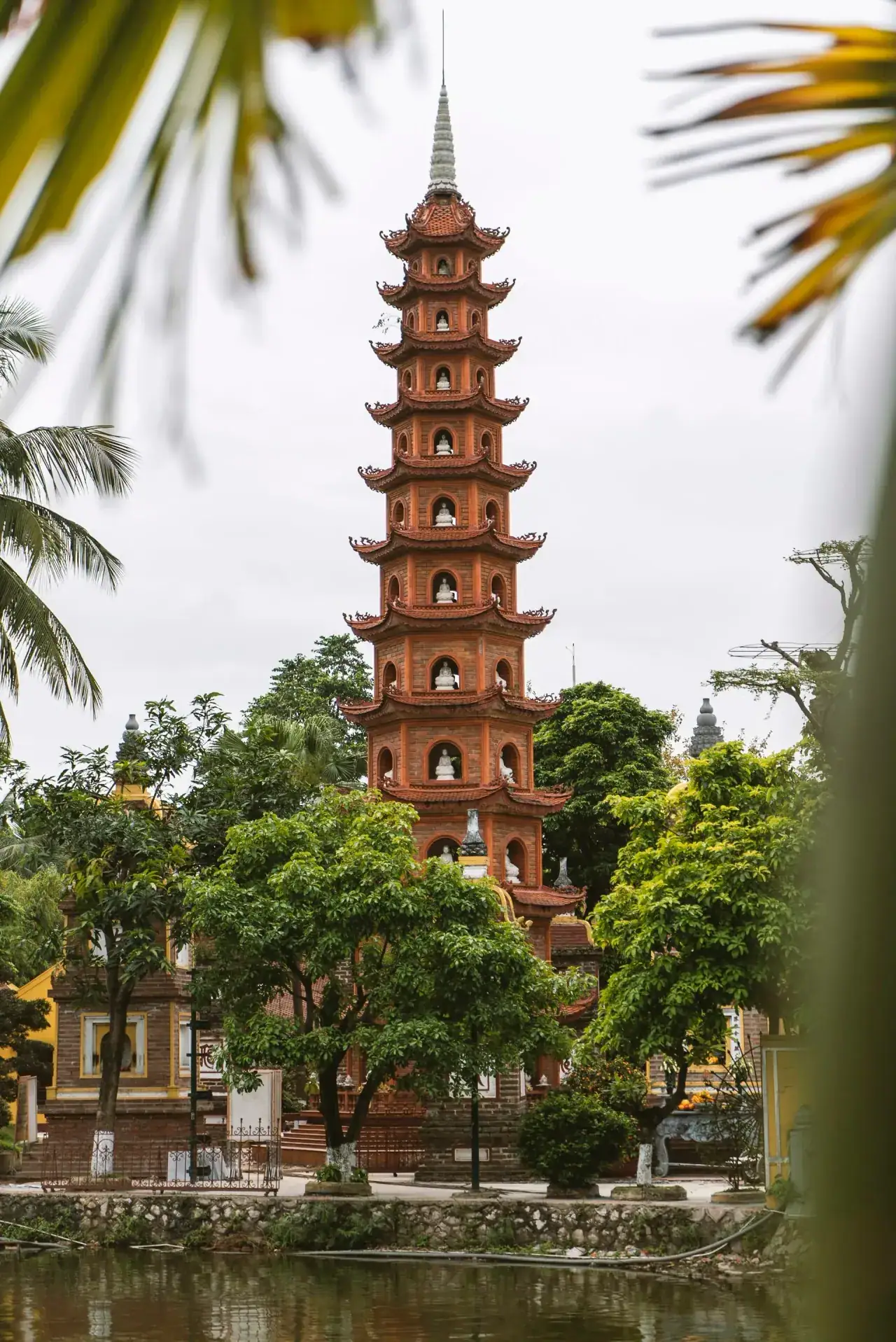
2 Weeks in Vietnam: Hanoi to Ho Chi Minh City
Vietnam's 1,650km coastline contains more variety — in food, landscape, and culture — than most countries contain in their entire territory. Two weeks, moving south from Hanoi, gives you the clearest picture of all of it.
16 min read

When to Go
Best Time to Travel to Thailand in 2026 — Season by Season, Region by Region
Thailand has three distinct seasons, six meaningful tourism regions, and about four months where everything lines up. The rest of the year is still worth it — you just need to know which part of the country works when.
11 min read
Travel Guides
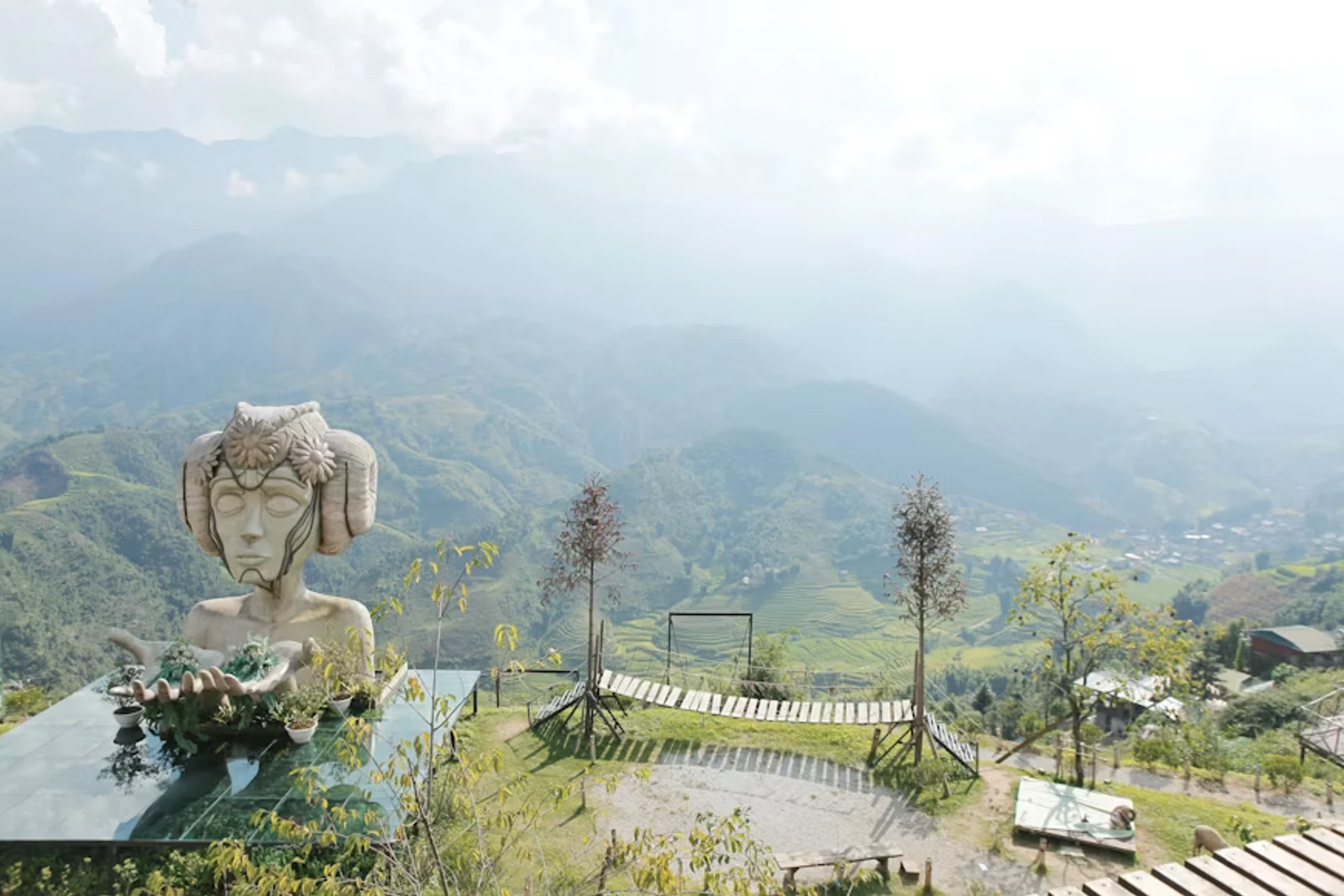
Sapa, Vietnam: Why Everyone's Suddenly Going North
Sapa was ranked Asia's fastest-growing destination for 2026 — and having spent eight days between Ta Van and Y Linh Ho this spring, I finally understand why. Here's what's changed, and what a rice-terrace trek there actually costs and feels like.
12 min read