
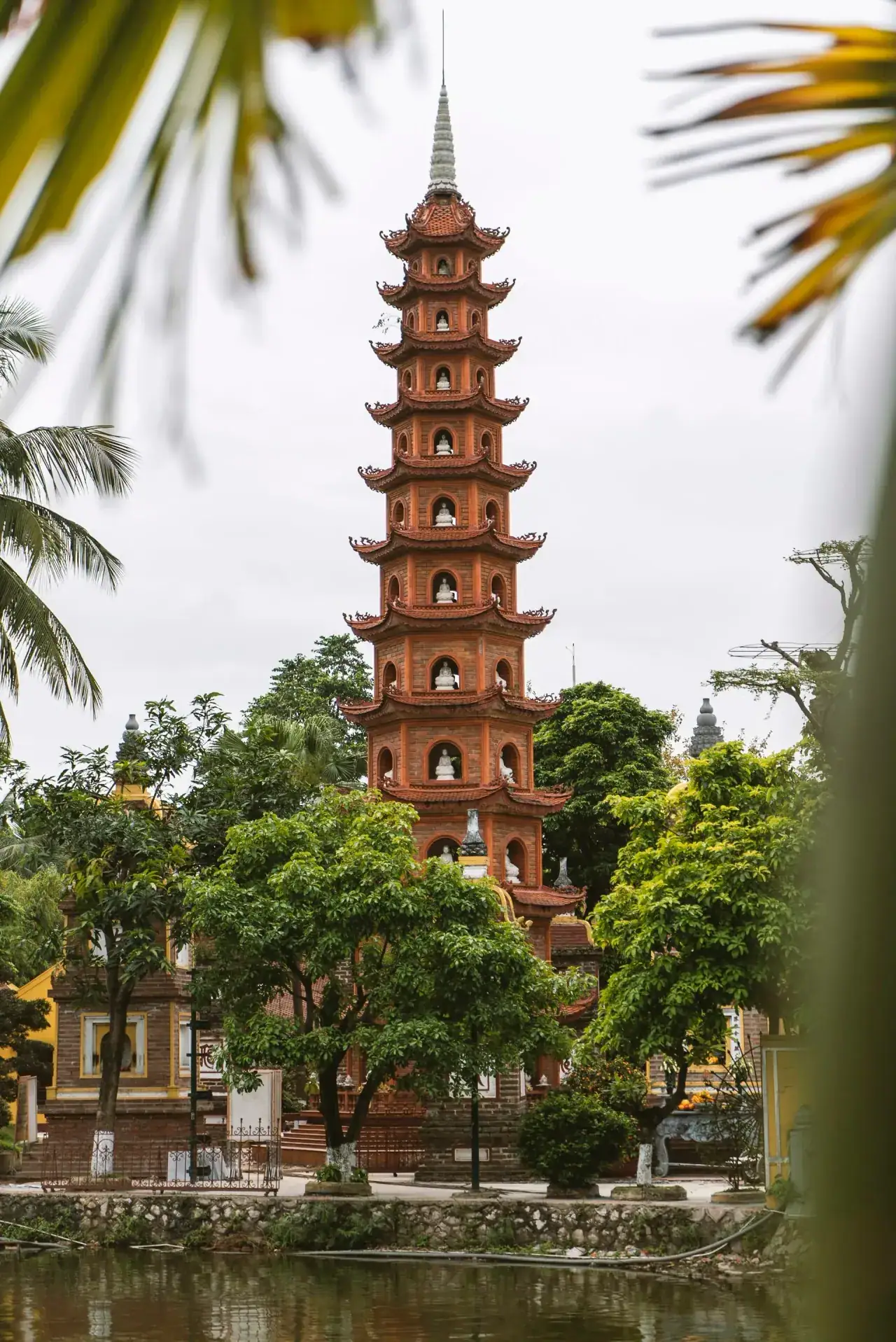
2 Weeks in Vietnam: Hanoi to Ho Chi Minh City
Vietnam's 1,650km coastline contains more variety — in food, landscape, and culture — than most countries contain in their entire territory. Two weeks, moving south from Hanoi, gives you the clearest picture of all of it.
Vietnam's shape — a long diagonal S from the Chinese border to the Gulf of Thailand — means that the country changes character entirely from one end to the other. Hanoi in the north is a millennium-old capital with French colonial boulevards and the most serious pho culture on earth. Hoi An in the centre is a UNESCO World Heritage ancient trading port that has been beautifully preserved and serves the country's best banh mi. Ho Chi Minh City in the south is a roaring, motorbike-dense megacity that has rebuilt itself at extraordinary speed. Two weeks moving south connects all three and shows you a country that defies any single description. We've also covered 7 Days Singapore & Malaysia and 10 Days in Thailand in more depth, if either is relevant to you.
Planning this trip?
Find flights now
Compare prices across 700+ airlines and OTAs in one search — find the real lowest fare without the inflated middleman markup.
Search flightsNeed a place to stay?
Search hotels
The route and getting around
The two-week route: Hanoi (3 nights) ? Halong Bay cruise (2 nights) ? Hue (1 night) ? Hoi An (3 nights) ? Da Nang (1 night) ? Ho Chi Minh City (3 nights) ? Mekong Delta day trip (1 day). Domestic flights connect the major stops; budget carriers VietJet, Bamboo Airways, and Vietnam Airlines all fly the routes for €30–€80. The Reunification Express train runs Hanoi to Ho Chi Minh City (30+ hours total, but individual segments like Da Nang to Hoi An or Hue to Da Nang are scenic and practical). Book domestic flights at least 2 weeks ahead — VietJet in particular fills up fast.
Days 1–3: Hanoi
Hanoi's Old Quarter is the city's medieval trading district — 36 streets each originally named for the product sold there (Silk Street, Tin Street, Paper Street). The logic persists today: Hang Gai still sells silk, Hang Ma still sells ceremonial paper goods. The Hoan Kiem Lake and the Temple of the Jade Mountain (Ngoc Son) are the morning walk; the Ho Chi Minh Mausoleum and the related Ethnology Museum are the afternoon history. The best pho in Hanoi: Pho Gia Truyen at 49 Bat Dan (opens 6am, closes when the stock runs out — usually by 8:30am). Bun cha at Bun Cha Huong Lien (where Barack Obama ate with Anthony Bourdain in 2016) is the lunch. Evening: the Old Quarter's bar street (Ta Hien) for bia hoi (fresh beer dispensed from kegs at plastic table street bars, €0.30 a glass), and the Hanoi Social Club for craft cocktails and live music.
Editor's tips
- The Ho Chi Minh Mausoleum is closed on Mondays, Fridays, and in October/November for maintenance
- Pho in Hanoi is served with only fresh herbs and chilli — the Saigon version with bean sprouts and hoisin is a southern variation
- Grab motorbike taxis (Grab Bike) are the fastest way to work through Hanoi's Old Quarter streets
Days 4–5: Halong Bay cruise
Halong Bay is one of the world's most extraordinary natural landscapes — 1,969 limestone karst islands rising from the Gulf of Tonkin, many with caves, grottos, and floating fishing villages. The experience requires a cruise: the bay is inaccessible without boat. Two nights on a junk cruise is the right amount of time — one night feels rushed, three nights is more than the experience warrants. The operator matters enormously: avoid the cheapest one-night cruises (overcrowded, low-quality food, no time) and choose from the mid-range fleet (Orchid Classic, Paradise Elegance, or Era Cruises for the best value-to-quality ratio). Activities on board: kayaking through cave arches, swimming at beaches unreachable from land, cooking demonstrations, and the sunrise from the junk deck. Choose Cat Ba Island-based cruises for a less crowded section of the bay.
Days 6–8: Hue and Hoi An
Hue was Vietnam's imperial capital from 1802 to 1945, and the citadel complex (modelled on Beijing's Forbidden City) is the most historically significant site in central Vietnam. The Imperial City within the citadel is partially reconstructed and partially ruined — the effect is more evocative than a fully restored version would be. Royal tombs of Minh Mang and Tu Duc (accessible by xe om motorbike taxi, 7–10km from the city) are the most beautiful examples of Vietnamese imperial funerary architecture. Hue's food is the most complex in Vietnam — banh khoai (crispy crepes with prawns), bun bo Hue (spicy beef noodle soup, the original before pho became famous), and the intricate royal cuisine available at Tịnh Gia Viên restaurant. Move to Hoi An (3 hours by bus) for the next three nights: the UNESCO Ancient Town, the best banh mi on earth at Phuong (the Anthony Bourdain-endorsed stall on Tran Phu), the tailors who make custom clothing in 24 hours, and the Cham Island snorkelling day trip.
Days 9–11: Da Nang and the Marble Mountains
Da Nang is Vietnam's most liveable city and the gateway to both Hoi An and the mountain pass to Hue. One day here: the My Son Hindu sanctuary (4th€14th century Cham civilization temple complex, UNESCO), the Marble Mountains (five marble and limestone hills with Buddhist shrines inside cave grottos), and the Dragon Bridge (breathes fire on Saturday and Sunday nights at 9pm). The Ba Na Hills cable car (the world's longest single-wire cable car) is the most theatrical built environment in Vietnam — a French colonial village on top of a mountain accessed by a cable car that passes through the clouds.
Days 12–14: Ho Chi Minh City and the Mekong
Ho Chi Minh City (Saigon) is the engine of modern Vietnam — 13 million people, a motorbike density that makes Bangkok look tranquil, and a restaurant scene that has expanded dramatically in the last five years. The War Remnants Museum (€1.50, the most confronting museum in Southeast Asia) and the Reunification Palace (the presidential palace whose gates were breached by North Vietnamese tanks on April 30, 1975) are the essential history. The Ben Thanh Market area for banh mi (Huynh Hoa on Le Thi Rieng for the most loaded version) and fresh spring rolls. The Bui Vien backpacker street for the rooftop bar experience at sunset. Day 14: Mekong Delta day trip — the river market at Cai Be, the coconut candy factories on Con Thoi Son island, and a boat ride through the delta waterways that supply half of Vietnam's rice. Return to Saigon for the evening flight.
Flights and Hotels
Fly into Hanoi Noi Bai (HAN) and out of Ho Chi Minh City Tan Son Nhat (SGN). Domestic VietJet and Bamboo Airways flights connect the middle stops for €30–€60.
Book Halong Bay and Day Tours
Halong Bay cruise (2 nights), Hoi An cooking class, My Son sanctuary tours, and Mekong Delta day trips all require advance booking.
Frequently asked questions
Vietnam's long shape means different regions have different optimal times. North Vietnam (Hanoi, Halong Bay) is best October to April — dry, cool in winter. Central Vietnam (Hue, Hoi An) is best February to August — the rainy season (September–January) can flood Hoi An's streets. South Vietnam (Ho Chi Minh City, Mekong) is year-round but best November to April (dry season). November to January is the safest all-round window.
Vietnam's two weeks reveal a country moving at two speeds simultaneously: the ancient rhythms of lake-fishing and market culture that haven't changed in centuries, and the economic acceleration of a country that has compressed decades of development into a single generation. The pho at 6am in Hanoi, the Halong Bay sunrise, and the motorbike density of Saigon at 8pm are all the same country, and all of it is more interesting than any single description suggests.
Get there
Flights
One search across 700+ airlines — find the real lowest fare for your dates.
Search flightsWhere to stay
Hotels
Browse verified hotels and stays — instant confirmation, secure booking.
Book on KKdayThings to do
Activities
Tours, attractions, and day trips — free cancellation on most experiences.
Book on KlookTours & Experiences
Book the experiences, not just the trip
Skip-the-line tickets, guided tours, and day trips — free cancellation on most, confirmed instantly.
About the author
Marcus Chen
Hotels & Deals Editor · Based in New York City
Marcus reviews hotels for a living — and has slept in over 400 of them. Before TravelBuzzy, he ran the hotel desk at a major loyalty publication and consulted for two boutique hotel groups. He covers the Americas, Japan, and luxury travel.
Read next — destinations
More from The Edit
Itineraries
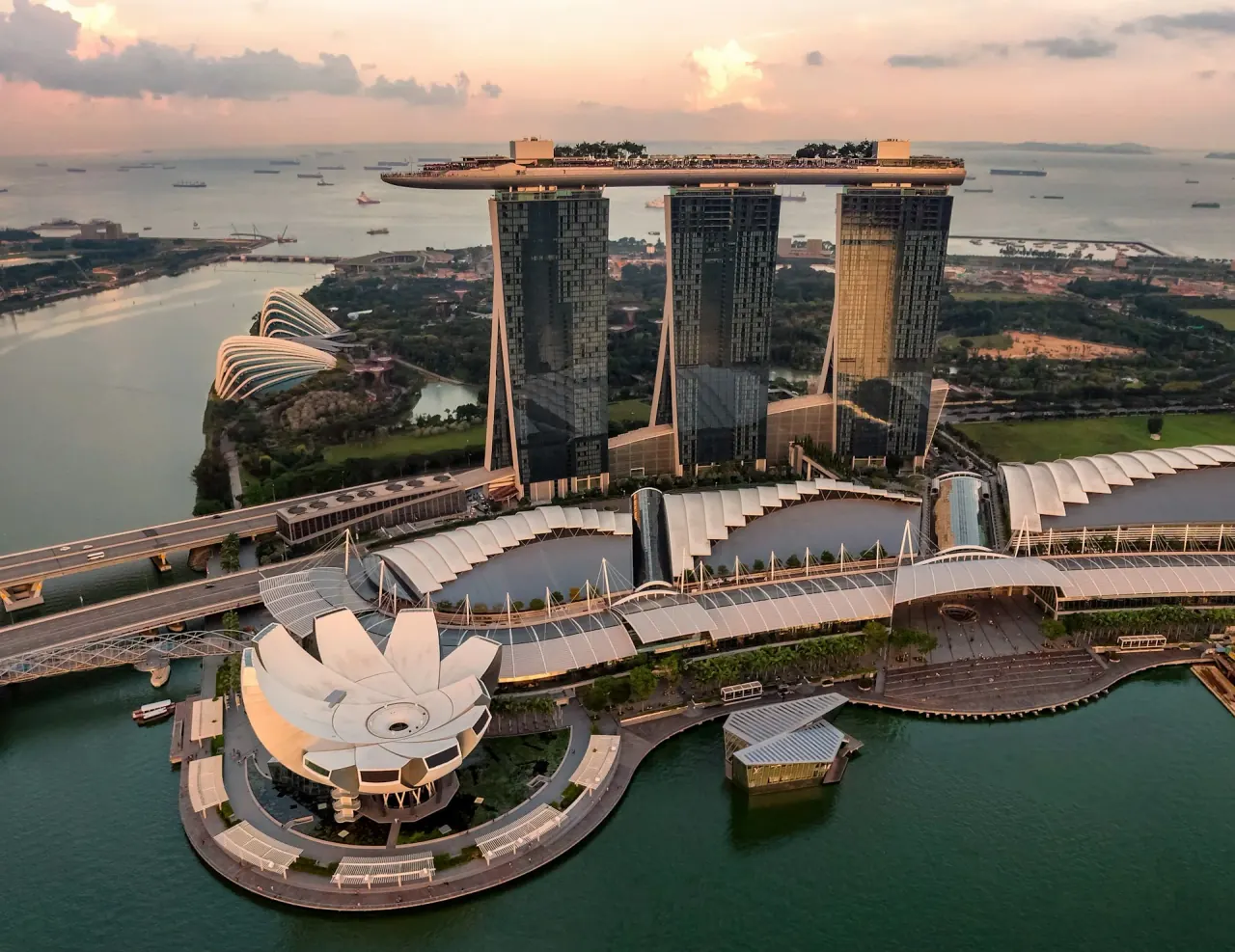
7 Days Singapore and Penang: Southeast Asia's Best Food Cities
Singapore and Penang are the two most obsessively food-focused places in Southeast Asia — and they're 40 minutes apart by plane. This itinerary treats them as one trip and explains exactly what to eat at every stop.
13 min read
Itineraries
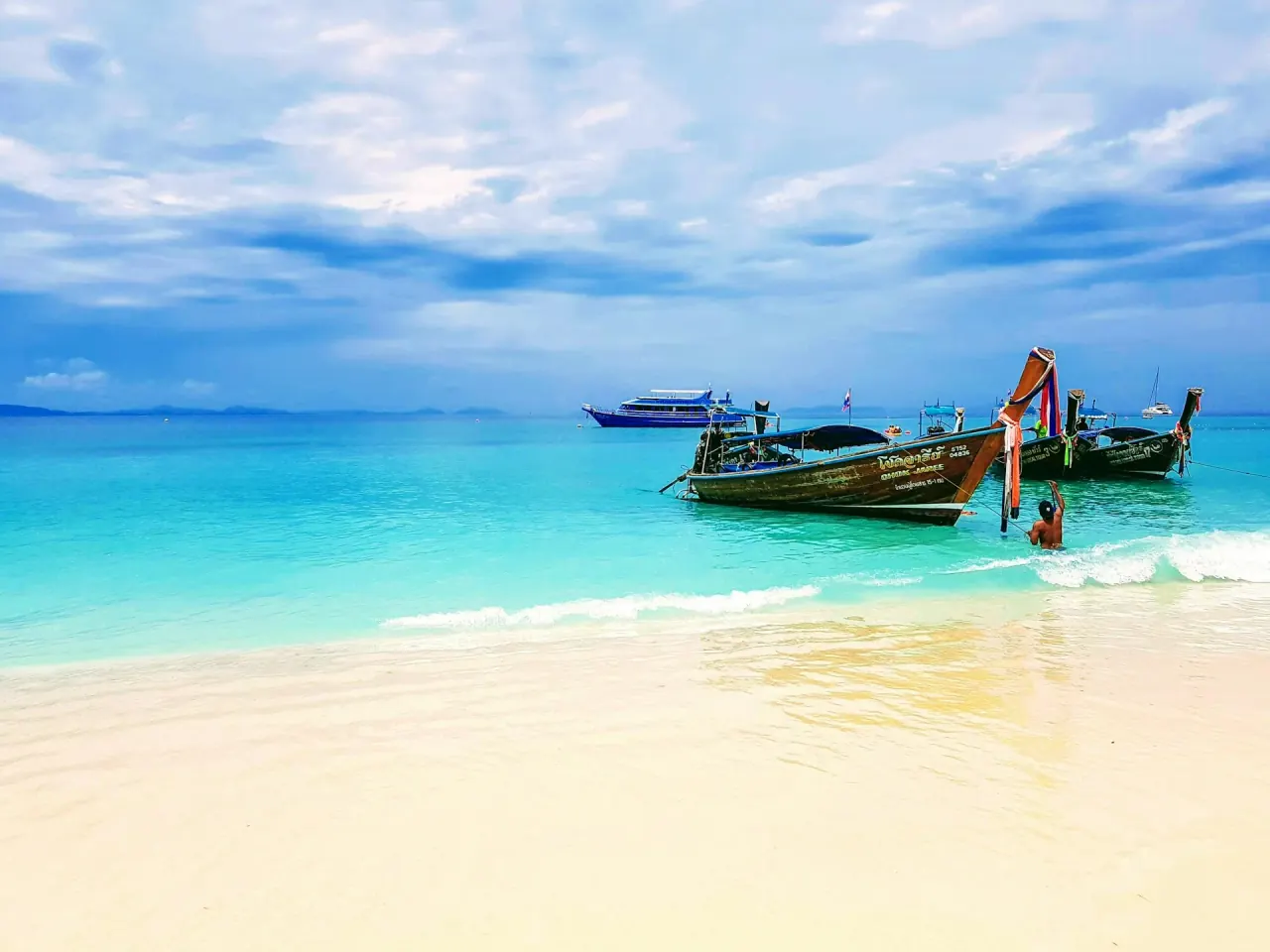
10 Days in Thailand: Bangkok, Chiang Mai, and the Islands
Ten days is the minimum to experience Thailand's three distinct worlds — the chaotic, magnificent capital; the temple-studded north; and the island coast that still has pockets of beauty beyond the party circuit.
15 min read
Travel Guides
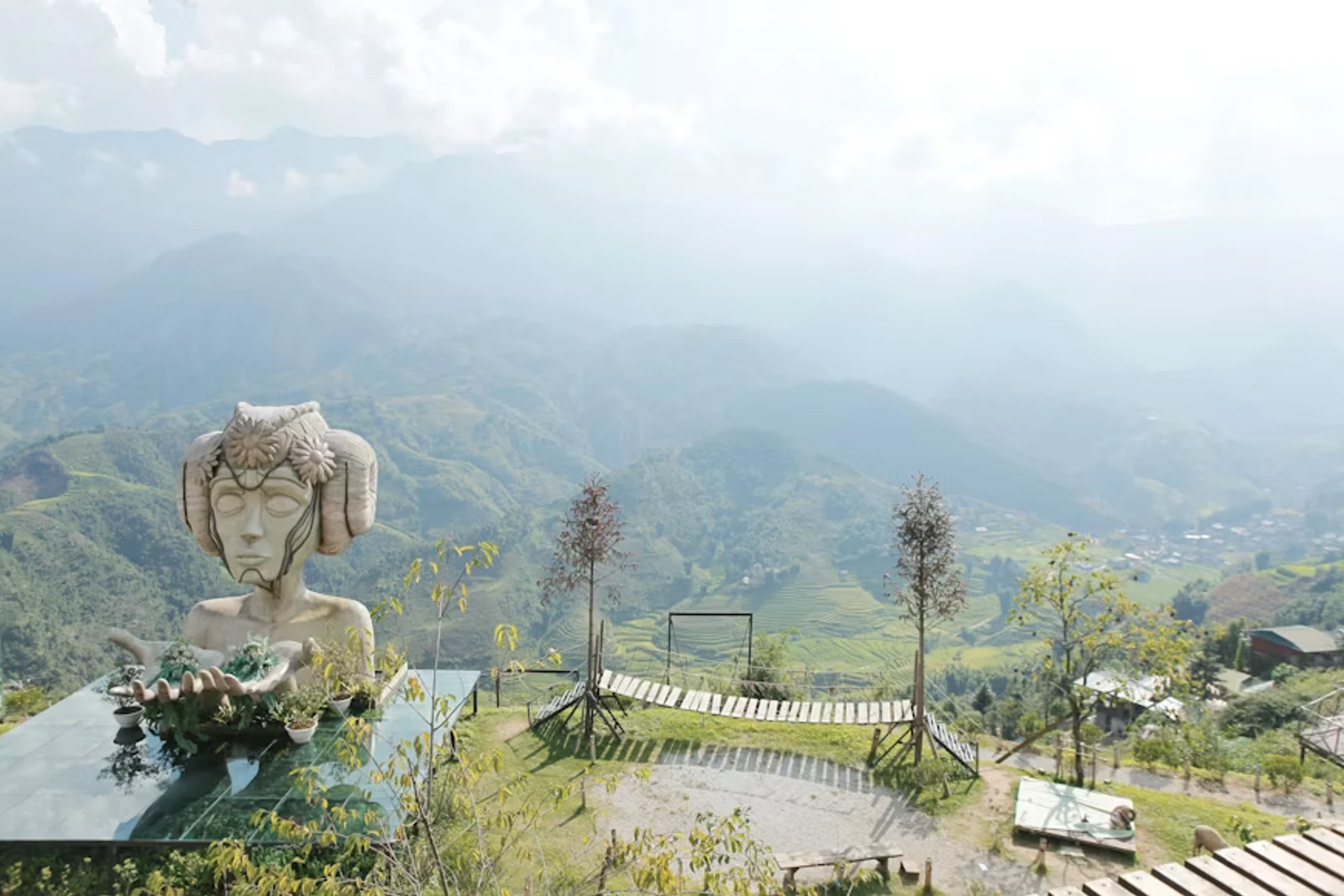
Sapa, Vietnam: Why Everyone's Suddenly Going North
Sapa was ranked Asia's fastest-growing destination for 2026 — and having spent eight days between Ta Van and Y Linh Ho this spring, I finally understand why. Here's what's changed, and what a rice-terrace trek there actually costs and feels like.
12 min read
Travel Guides
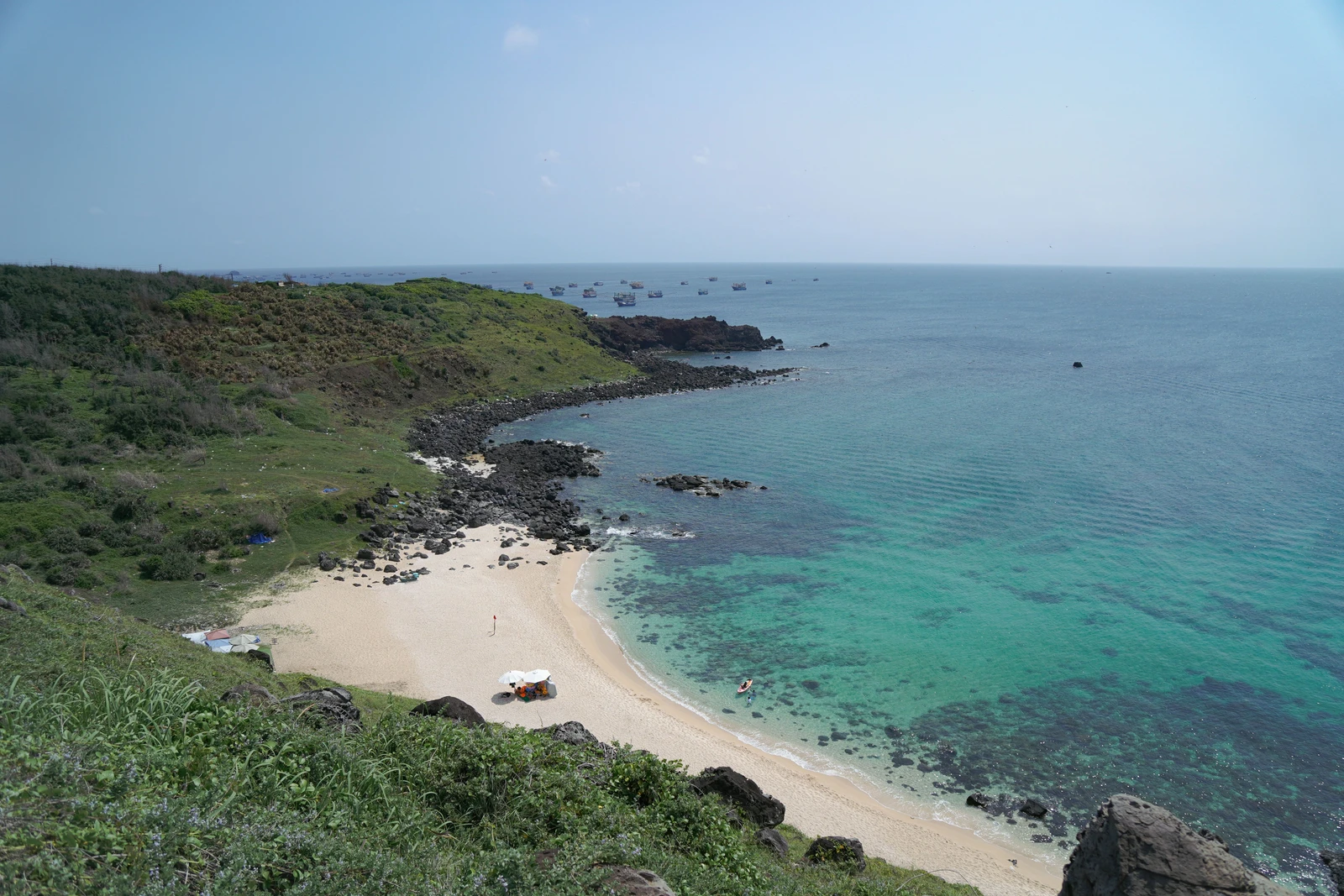
Quy Nhon: Vietnam's Coastal Underdog, Before It Isn't
TripAdvisor named it one of Asia's top trending destinations for 2026. I spent five days on Quy Nhon's beaches trying to figure out why it's taken this long — and what's still genuinely different here from Da Nang and Nha Trang.
11 min read
Itineraries
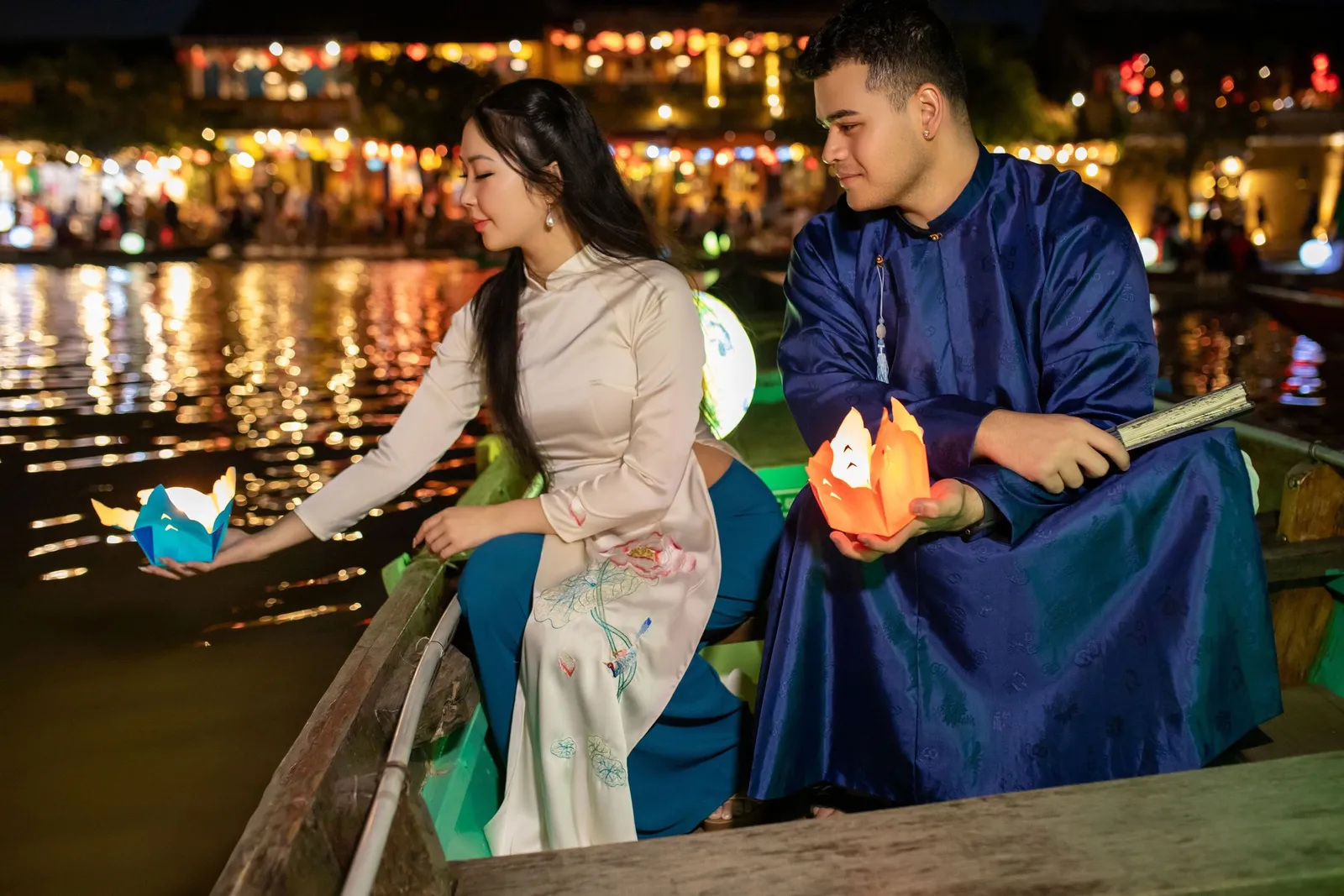
Honeymoon in Vietnam: A 14-Day Route, Real Costs and the Best Months
Vietnam gives newlyweds lantern-lit evenings, a night on a limestone bay and a quiet island to finish, for a fraction of what the Maldives charges. The catch is timing: the north, centre and south run on three different weather calendars.
12 min read