
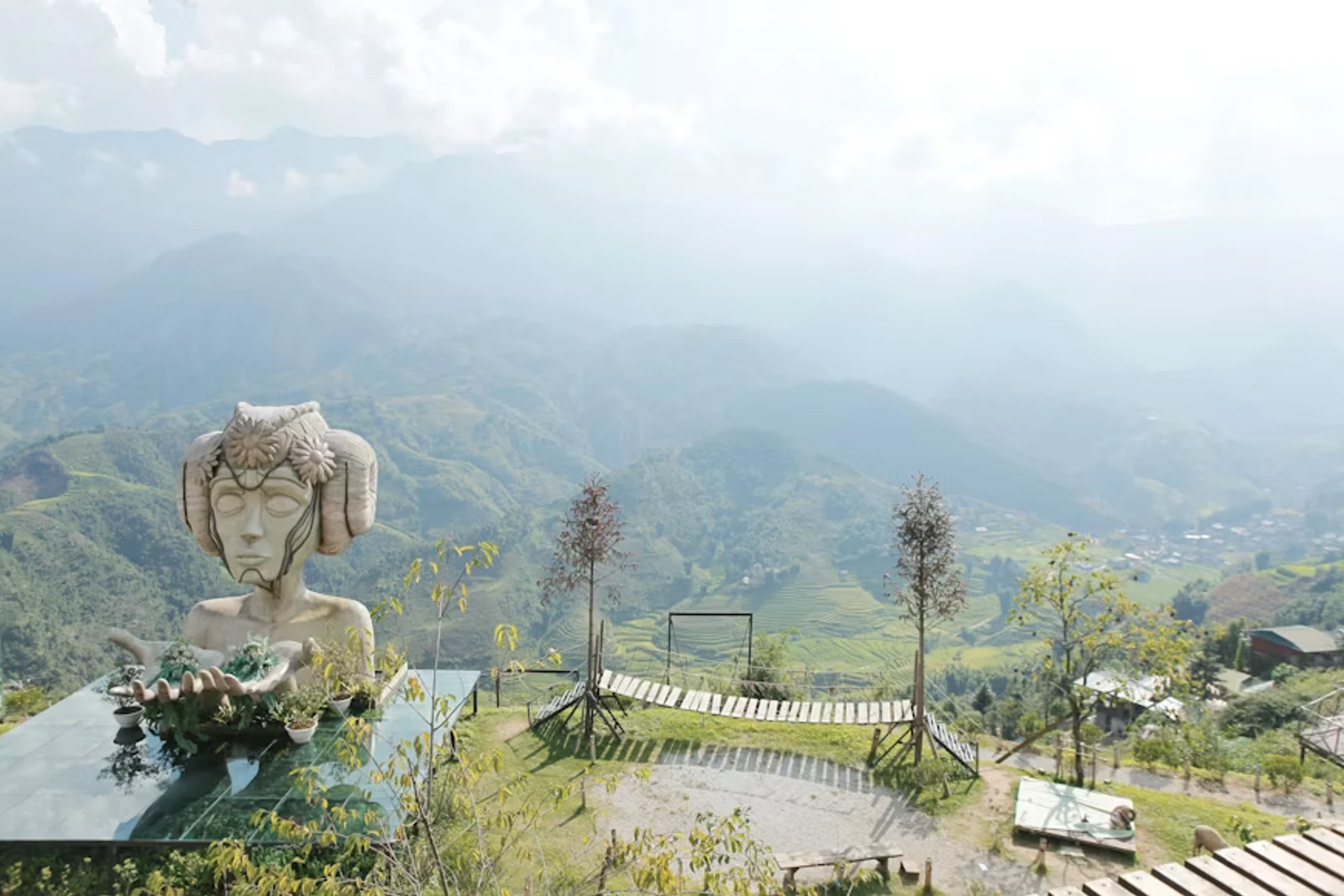
Sapa, Vietnam: Why Everyone's Suddenly Going North
Sapa was ranked Asia's fastest-growing destination for 2026 — and having spent eight days between Ta Van and Y Linh Ho this spring, I finally understand why. Here's what's changed, and what a rice-terrace trek there actually costs and feels like.
Eight years ago, Sapa meant a bone-rattling six-hour minibus from Hanoi and a town square full of touts. This spring, I did the same trip on a first-class sleeper carriage that left Hanoi at 9:40pm and put me in Lao Cai in time for a 6am coffee, on a brand-new expressway spur that's cut the road option to under four hours too. Agoda's New Horizons ranking named Sapa the fastest-growing destination in Asia for 2026, and after three days trekking the Muong Hoa Valley, I'm not surprised — it's the rare case where the infrastructure caught up to a destination that always deserved the attention.
Planning this trip?
Find flights now
Compare prices across 700+ airlines and OTAs in one search — find the real lowest fare without the inflated middleman markup.
Search flightsNeed a place to stay?
Search hotels
Why Sapa, why now
The numbers explain the surge: Sapa saw international arrivals climb sharply through 2025 as the new Hanoi–Lao Cai expressway spur opened, cutting the road trip from six-plus hours to under four. The overnight train got a parallel upgrade, with private operators now running en-suite cabins on the old state rail line. None of this changed the terraces themselves — the H'mong and Dao communities have farmed this land for generations — but it changed who can reasonably get there for a long weekend, and that's exactly what's driving 2026's numbers.
Editor's tips
- Book the expressway limousine van (Sapa Express, Fansipan Express) rather than a shared minibus — same price bracket, direct door-to-door
- Weekday trains are considerably easier to book than Friday/Saturday departures
The overnight train vs the road
Two realistic options. The state rail SE3/SE4 leaves Hanoi around 9:30–10pm and arrives Lao Cai by 5:30–6am, four-berth soft sleeper from roughly $25–35, or a private cabin operator (Sapaly, Victoria Express, Chapa Express) from $45–70 with better bedding and a lock on the door. From Lao Cai it's another 45 minutes by shuttle or taxi up to Sapa town. Alternatively, the expressway van door-to-door from Hanoi's Old Quarter now runs 3.5–4 hours for $12–18. I took the train up and the van back — the train is the better experience, the van is the better use of a short trip.
Editor's tips
- Reserve sleeper cabins at least a week ahead in shoulder season, a month ahead for September/October
- Bring a padlock for state-rail cabins — private operators lock from the inside
Trekking the Muong Hoa Valley
This is the actual reason to come. The valley beneath Sapa town holds a string of H'mong and Dao villages — Lao Chai, Ta Van, Giang Ta Chai, Ta Phin — connected by trails that thread directly through working rice terraces. A one-day guided loop (Sapa town to Lao Chai to Ta Van, roughly 10km) runs $20–30 per person with a local guide, almost always a H'mong or Dao woman from the villages themselves, and includes lunch. Multi-day treks with a homestay overnight push further into Y Linh Ho and Ta Phin, away from the day-tripper traffic entirely.
Editor's tips
- Hire guides directly through your homestay or Sapa O'Chau (a H'mong-run social enterprise) rather than a Hanoi-based agency — more of the fee reaches the villages
- Trails are genuinely muddy after rain — proper trekking shoes, not sneakers
Homestays: the actual Sapa experience
A H'mong or Dao stilt-house homestay in Ta Van or Lao Chai runs $15–25 a night including dinner and breakfast, sleeping on a shared platform with mosquito nets, family-style meals, and often a home-brewed rice wine you will be encouraged to try more than once. It is not luxury, and that's the point — Sapa's mid-range hotels (Hotel de la Coupole, Silk Path Grand) are excellent if you want a spa and a view, but they don't replace a night in the valley.
Editor's tips
- Book homestays through the family directly or a village co-op, not a resold Hanoi listing — prices roughly double once resold
- Pack a warm layer even in summer — valley nights drop noticeably below town temperatures
When to see the terraces at their best
Two distinct peaks. Late May through June, farmers flood the terraces before planting, and the fields turn into stacked mirrors reflecting the sky — the single most photographed Sapa scene. By September, the rice has matured to solid gold before the September–October harvest. Between these windows (July–August, November–April) the terraces are green, brown, or bare depending on the cycle — still scenic, but noticeably less dramatic. Winter (December–February) adds genuine cold, occasionally frost, which the tropical-Vietnam mental image doesn't prepare most visitors for.
Editor's tips
- May and September weekends now sell out homestays — book 4-6 weeks ahead if targeting peak terrace season
- Pack for near-freezing nights December–February — this is Vietnam's one genuinely cold region
Fansipan without the queue
The Fansipan Legend cable car climbs to Vietnam and Indochina's highest peak (3,147m) in about 15 minutes, a genuinely impressive piece of engineering that replaced a two-day trek for most visitors. It's also the single most crowded thing in Sapa. Arrive at the base station by 7:30am and you'll beat the tour-bus wave that lands mid-morning; the summit temple complex and viewing platforms are dramatically quieter before 9am.
Editor's tips
- Buy cable car tickets online the day before — the ticket queue alone can run 45 minutes on weekends
- Bring a proper jacket — summit temperatures run 10-15°C below the valley floor year-round
Trekking safety, footwear and weather
The hills around Sapa are beautiful and can be tougher than they look. Trails are often steep and muddy, and rain makes stone steps slippery, so wear shoes with good grip and pack a rain jacket, even in dry months. Weather can shift fast in the mountains, with mist covering views and temperatures dropping in the evening, so carry warm layers. Hire a local guide for longer treks, which supports villagers and reduces the chance of getting lost. Start early to avoid heat and give yourself time to finish before dark. Carry water, snacks and a small first-aid kit, and protect your phone and passport from moisture. Respect village life by asking before photographing people and by buying crafts fairly. Sapa's beauty rewards preparation, and travellers who plan for weather and terrain enjoy the walks far more than those who treat them as a casual stroll.
Find the Best Flight Deals
Fly into Hanoi (HAN) from most major hubs, then connect onward to Sapa by overnight train or expressway van.
Where to Stay
Sapa town: Hotel de la Coupole, Silk Path Grand ($80–160/night). Valley homestays: $15–25/night with meals included.
Tours & Activities
Book Muong Hoa Valley treks, Fansipan cable car tickets, and multi-day homestay itineraries through local operators.
Frequently asked questions
Overnight sleeper train from Hanoi to Lao Cai (4-6 berth cabins, $25-70 depending on operator), then a 45-minute shuttle to Sapa town; or a direct expressway van door-to-door in 3.5-4 hours for $12-18. The train is more atmospheric, while the van saves time, so choose based on your budget and how well you sleep on the move, and book ahead for weekends and holidays.
Sapa hasn't changed so much as become reachable — the terraces, the villages, the trekking were always this good, they just used to cost you a wrecked back on a six-hour minibus to see them. With the train and the expressway both working now, there's very little reason left to skip Vietnam beyond Hanoi. Go before the next ranking makes that true for everyone else too.
Get there
Flights
One search across 700+ airlines — find the real lowest fare for your dates.
Search flightsWhere to stay
Hotels
Browse verified hotels and stays — instant confirmation, secure booking.
Book on KKdayThings to do
Activities
Tours, attractions, and day trips — free cancellation on most experiences.
Book on KlookTours & Experiences
Book the experiences, not just the trip
Skip-the-line tickets, guided tours, and day trips — free cancellation on most, confirmed instantly.
About the author
Camille Laurent
Senior Travel Editor · Based in Lisbon · Bali
Camille has spent the last 9 years living in or reporting from over 60 countries. Former contributor to Condé Nast Traveler and Monocle, she focuses on Southeast Asia, Mediterranean Europe, and the Middle East. Currently based between Lisbon and Bali.
More from The Edit
Itineraries
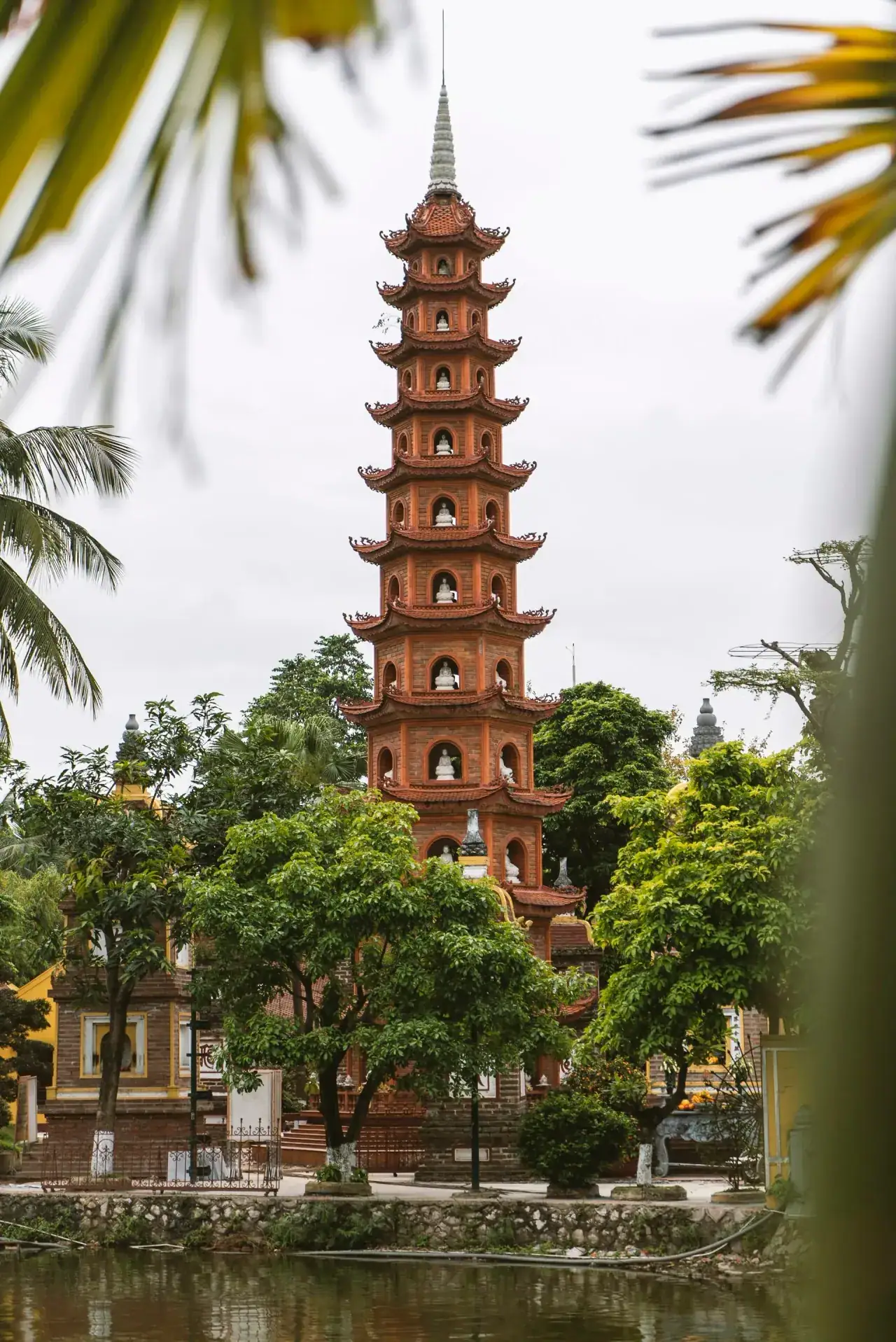
2 Weeks in Vietnam: Hanoi to Ho Chi Minh City
Vietnam's 1,650km coastline contains more variety — in food, landscape, and culture — than most countries contain in their entire territory. Two weeks, moving south from Hanoi, gives you the clearest picture of all of it.
16 min read
Honest Take
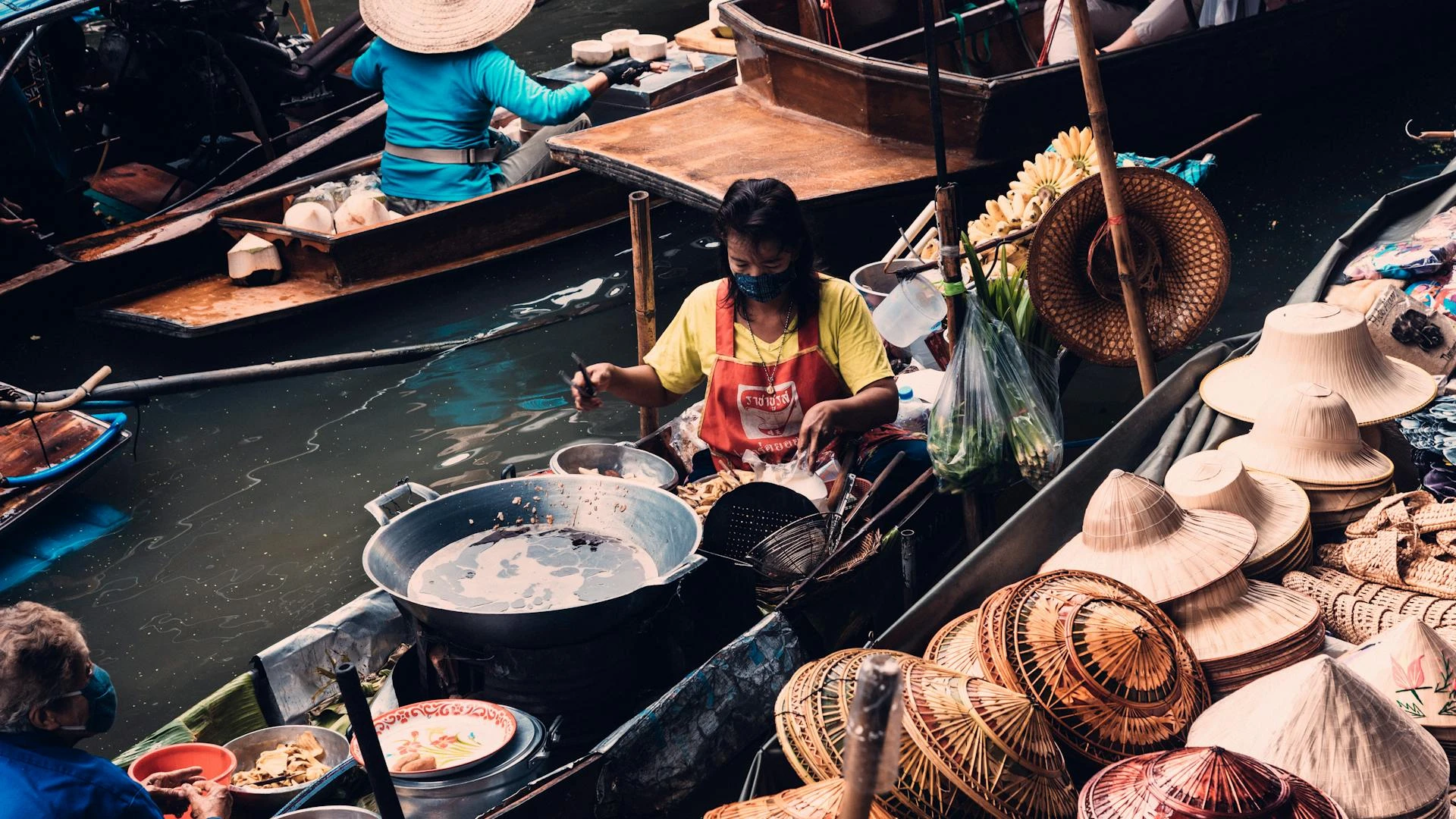
Thailand vs Vietnam: Which Southeast Asia Trip Is Right for You?
Southeast Asia's two most popular destinations are frequently compared but rarely understood in opposition. Thailand has perfected tourist infrastructure. Vietnam has a geographical range — 1,650km north to south — that Thailand cannot match. The question is what kind of trip you want.
11 min read
Travel Guides
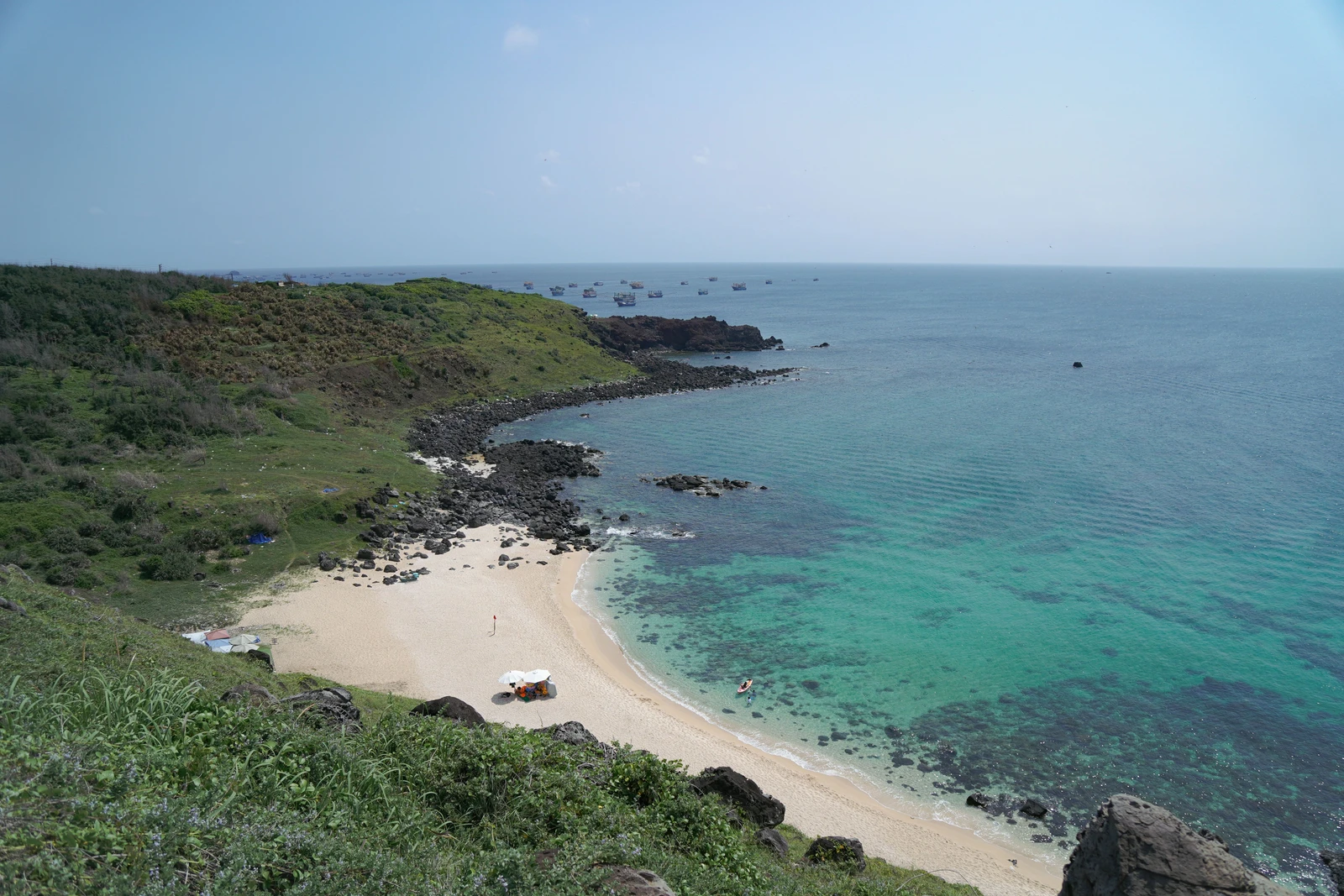
Quy Nhon: Vietnam's Coastal Underdog, Before It Isn't
TripAdvisor named it one of Asia's top trending destinations for 2026. I spent five days on Quy Nhon's beaches trying to figure out why it's taken this long — and what's still genuinely different here from Da Nang and Nha Trang.
11 min read