

Solo Traveling Like Tracee Ellis Ross — What Her Travel Philosophy Gets Right
Tracee Ellis Ross has made solo travel a recurring feature of her public life — not as an Instagram strategy, but as an actual philosophy about solitude, self-direction, and what changes when you travel without accommodating anyone else's preferences.
Tracee Ellis Ross has spoken in multiple interviews about her practice of solo travel — not as a circumstance to be explained away ('I couldn't find anyone to go') but as a deliberate choice about how she wants to experience the world. The actress and producer has described arriving in cities with minimal plans, eating alone at restaurants she wanted to try, and spending entire days making decisions accountable to no one else's preferences. It is a straightforward travel philosophy that most people find either immediately appealing or quietly uncomfortable — and the discomfort is usually the tell.
Planning this trip?
Find flights now
Compare prices across 700+ airlines and OTAs in one search — find the real lowest fare without the inflated middleman markup.
Search flightsNeed a place to stay?
Search hotels
What solo travel actually changes
The practical change in solo travel is not safety, cost, or logistics — it's pace and accountability. When you travel with other people, every decision requires negotiation: what time to leave the hotel, whether to spend 40 minutes in a single room at the museum or move quickly, whether tonight is a long dinner or an early night. Solo travel collapses that negotiation to zero. You stay at the Caravaggio for 25 minutes because that's exactly what you need, then skip the Raphael rooms entirely because you've seen them before and there's a ceramics market you want to get to. Nobody makes a face. Nobody checks their phone. This is what Tracee Ellis Ross describes when she talks about solo travel as freedom, and it is an accurate description of the experience.

The table for one: the foundational skill
The dividing line between solo travellers who find the experience liberating and those who find it lonely is almost entirely about the relationship with eating alone. In most American contexts, eating alone in a restaurant carries a mild social stigma — the instinct is to eat at the bar or with a book as a prop. In Paris, Lisbon, Tokyo, Barcelona, and most cities with a serious restaurant culture, a single diner is not unusual, is not seated next to the kitchen or the bathroom, and is not treated differently than a table of four. The skill is simply showing up and sitting down without self-consciousness. Tracee Ellis Ross talks about eating alone as one of the pleasures of solo travel — not a necessity to manage, but an actual experience she values.
Editor's tips
- Counter seats or small tables near the window are almost always available and often have the best sightlines in the restaurant
- A solo diner is often better served than a table of four — the attention is undivided and the timing more precise
- Book solo restaurant reservations as 'table for one' explicitly — many booking systems default to 'two' minimum
Destinations that support the solo travel philosophy
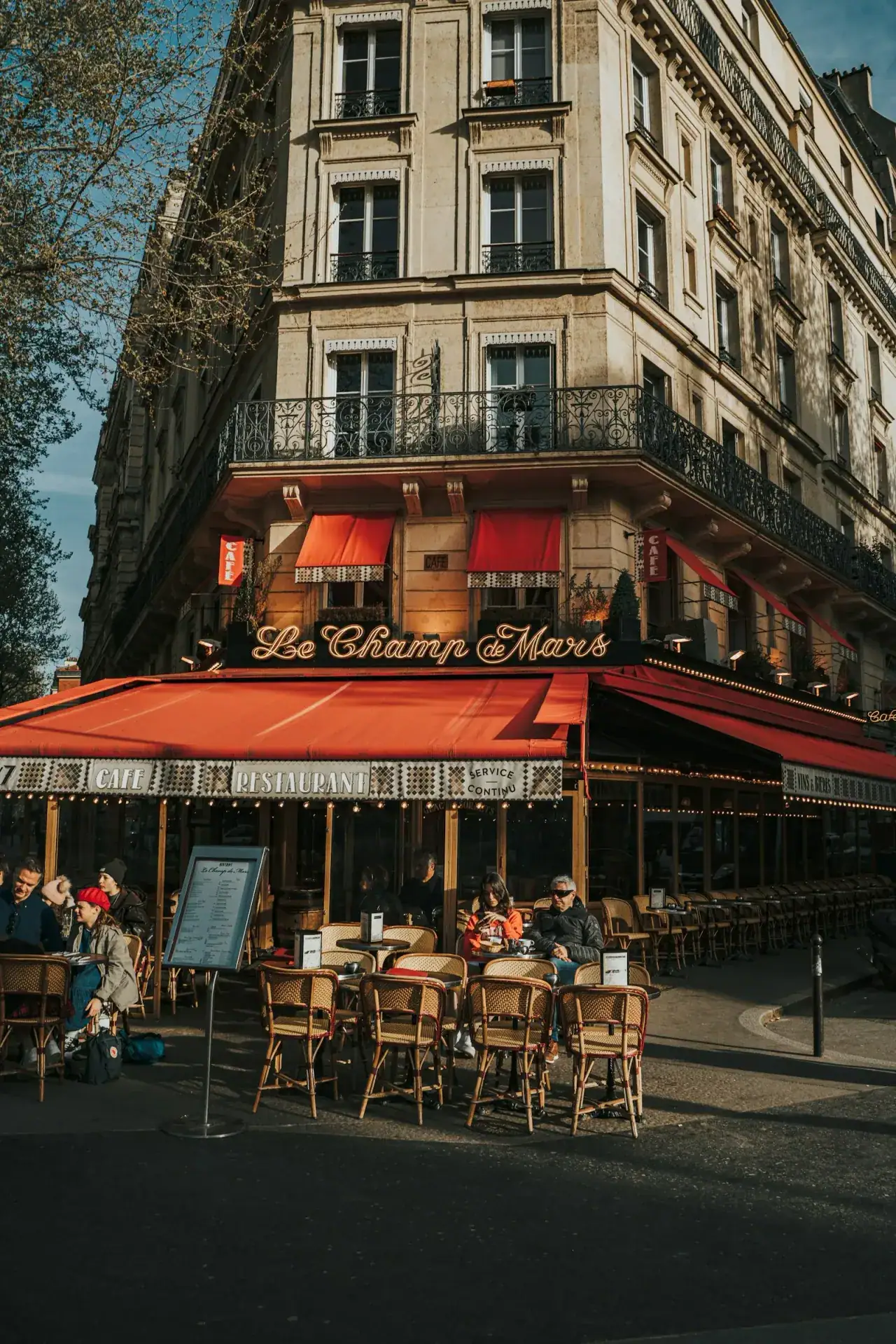
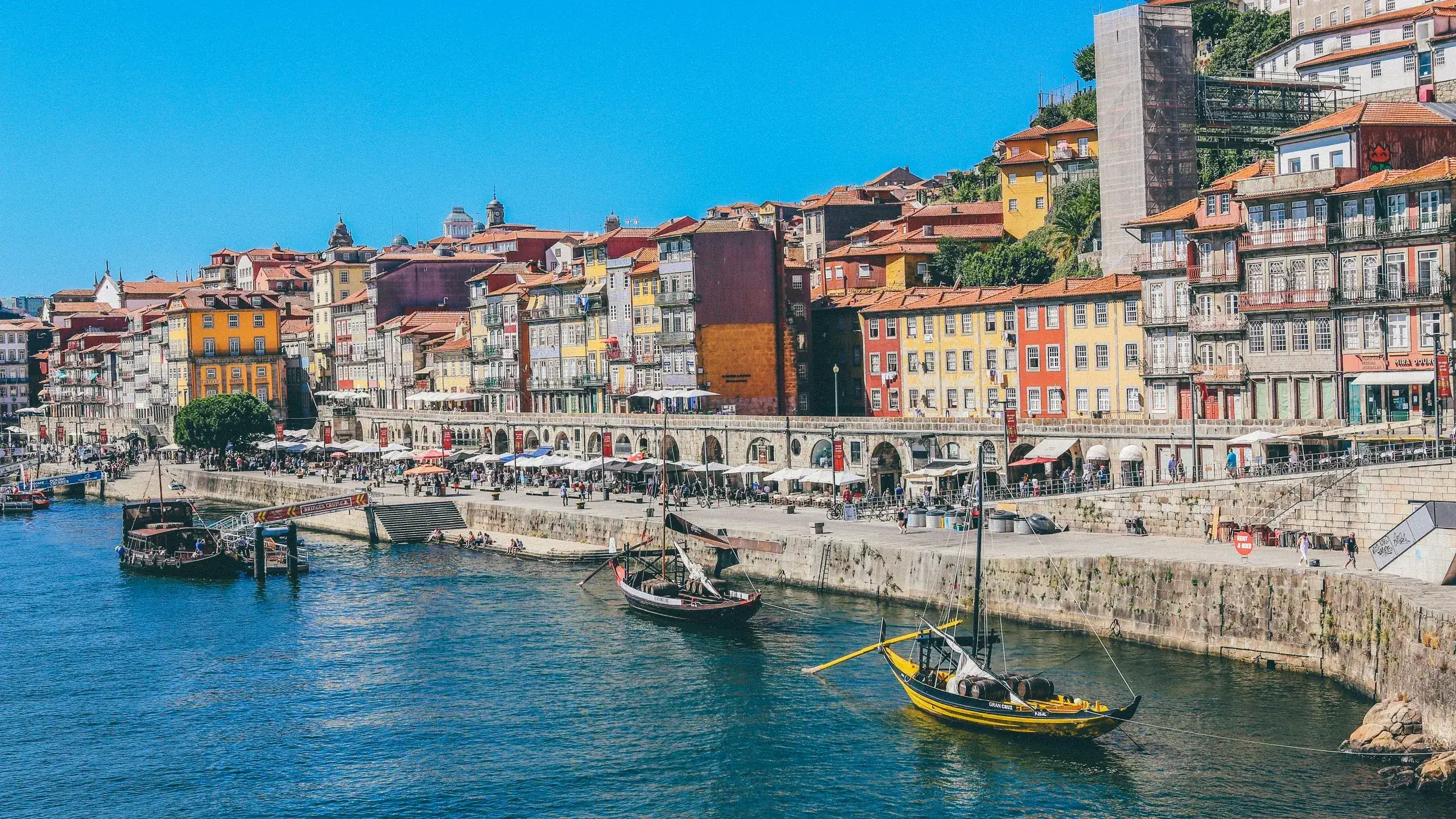
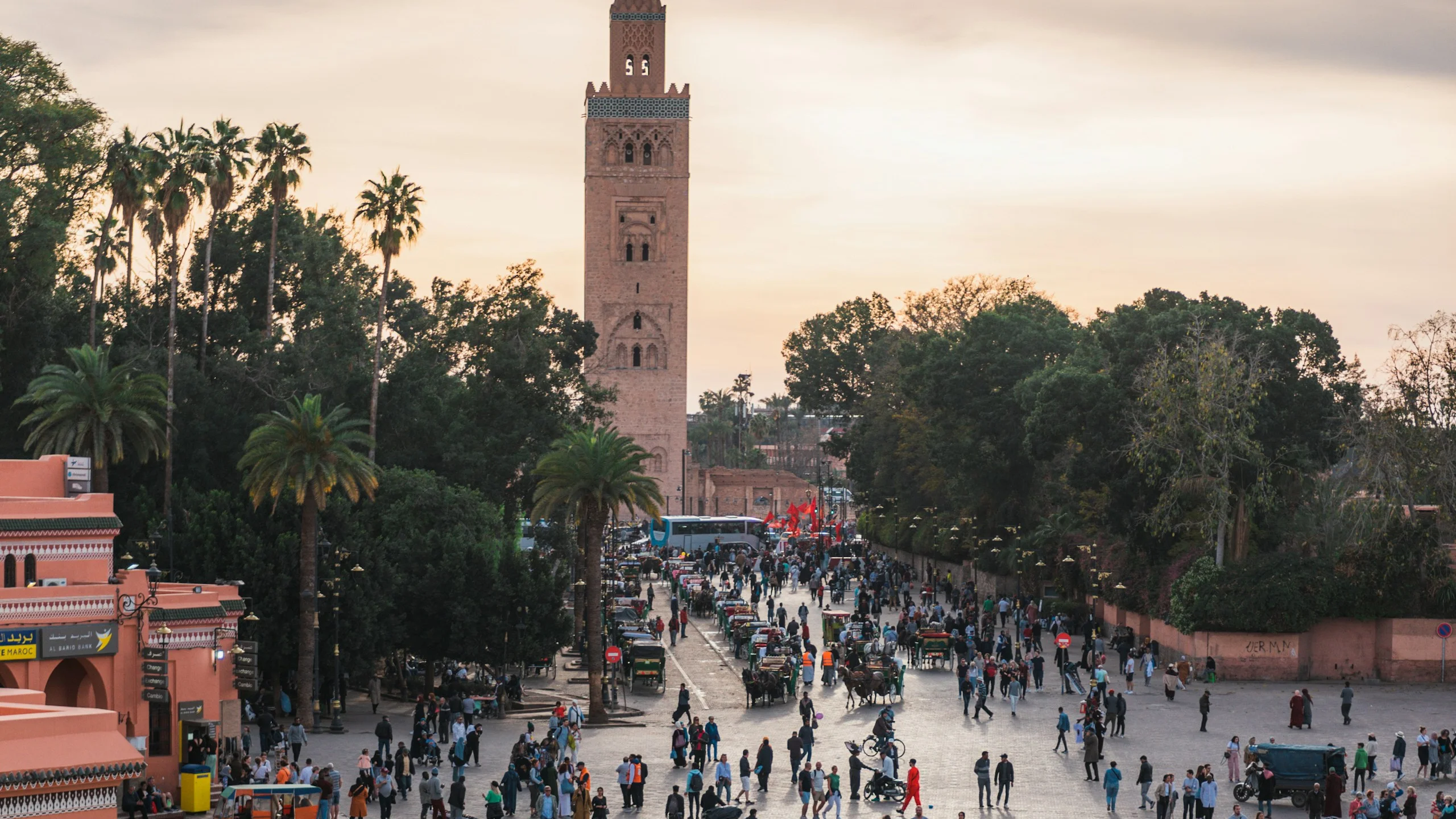
Some cities support solo travel structurally; others resist it. Lisbon is the best solo travel city in Southern Europe: café culture means sitting alone for hours is completely normalised, the tram system creates involuntary social encounters, and the miradouros (viewpoints) mix solo visitors and couples in a way that makes solitude feel participatory rather than isolated. Tokyo is extraordinary for solo travel precisely because the social expectation of filling silence doesn't exist — you can sit at a yakitori counter for two hours without needing to perform sociability. Marrakech is more challenging for solo women specifically because of street-level harassment in the medina, but the best riads have internal courtyard cultures where solo guests are the norm. Paris rewards solo travel for the same reasons it rewards Tracee Ellis Ross's approach: the city is dense enough that you're never actually alone, and impersonal enough that no one enquires why you are.
The safety question (addressed properly)
Solo travel safety for women is a real topic that deserves honest treatment rather than either dismissal ('just go, it'll be fine') or excessive alarm. The statistical reality: most safety incidents in solo travel are petty theft and scams targeting tourists of all genders and travel configurations, not violence targeting solo women specifically. The actual risk factors are: arriving at unfamiliar destinations at night without pre-booked transport, using unofficial taxis, getting very drunk in places you don't know, and leaving expensive equipment visible. None of these are solo-specific risks — they apply to anyone in any travel configuration. The specific solo-relevant risk: if something goes wrong, there is no travel companion to assist or de-escalate. This means solo travel rewards greater situational awareness, not avoidance. Tracee Ellis Ross's approach — choosing well-regarded hotels, researching neighbourhoods, trusting the early-warning sense that something feels off — is the practical version of this.

Want to See It for Yourself?
Experience beats research every time. Compare flights, book verified accommodation, and lock in local tours — all with free cancellation options.
Plan Your Visit
If our take convinced you (or unconvinced you), here's where to start planning: flights comparison, hotel search, and selected activity booking.
Frequently asked questions
Tracee Ellis Ross has discussed solo travel in multiple interviews as a deliberate practice of self-determination — choosing destinations based on personal curiosity, eating alone at restaurants she wants to try, and spending time making decisions accountable only to herself. She describes it as a form of freedom rather than a circumstance to be managed.
Tracee Ellis Ross's public articulation of solo travel isn't a celebrity lifestyle — it's a fairly straightforward description of what changes when you remove the social layer from travel. The cities come into clearer focus. The meals are chosen by a single criterion: what do you want right now? The afternoon is accountable to one person's energy and curiosity. Most people who try it once and frame it correctly — as a different kind of trip, not a lesser one — find it produces some of their clearest travel memories. The restaurant table for one is the entry point. Everything else follows.
Get there
Flights
One search across 700+ airlines — find the real lowest fare for your dates.
Search flightsWhere to stay
Hotels
Browse verified hotels and stays — instant confirmation, secure booking.
Book on KKdayThings to do
Activities
Tours, attractions, and day trips — free cancellation on most experiences.
Book on KlookTours & Experiences
Book the experiences, not just the trip
Skip-the-line tickets, guided tours, and day trips — free cancellation on most, confirmed instantly.
About the author
Camille Laurent
Senior Travel Editor · Based in Lisbon · Bali
Camille has spent the last 9 years living in or reporting from over 60 countries. Former contributor to Condé Nast Traveler and Monocle, she focuses on Southeast Asia, Mediterranean Europe, and the Middle East. Currently based between Lisbon and Bali.
Read next — destinations
More from The Edit

Travel Gear
Best Travel Backpack for Women: 7 Editor-Tested Picks After 40+ Flights
A travel backpack designed for women's bodies is not a 'pink version' of a men's one — it's a fundamentally different shape. After a year of testing across 40+ flights and three continents, these are the seven that earned their place.
9 min read
Travel Guides
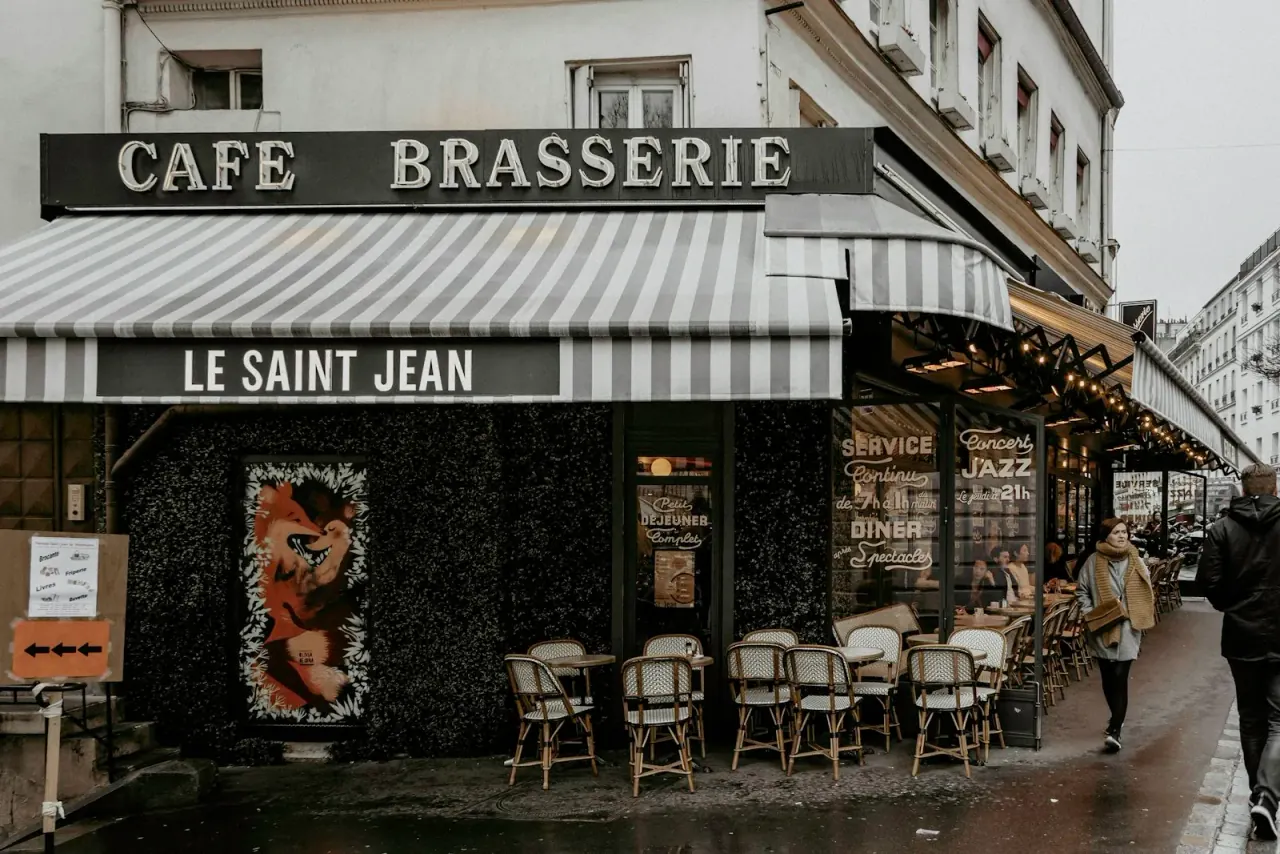
How to Avoid Tourist Traps in Paris — A Local's Editorial
No €9 coffees. No €40 mediocre bistros. No 90-minute queue for a view that Tour Montparnasse does better. The rules that separate a good Paris trip from a bad one are eight, and none of them are secrets.
10 min read

Honest Take
Paris vs Rome: A Brutally Honest Comparison for First-Timers
Both cities live under the weight of their own reputation. Paris has been described as a disappointment by enough visitors to make the 'Paris syndrome' a documented clinical phenomenon. Rome gets easier the more you know about what you're looking at. The comparison is not which city is better — it is which city is better for you.
12 min read