
Famous Natural Landmarks: 15 of the World's Most remarkable Wonders (and How to See Them)
Some places stop you mid-sentence. These are the natural landmarks that have done it for travellers for generations — organised by continent, with the honest practicalities of actually getting to each one.
There is a particular kind of travel memory made only by standing in front of something enormous and ancient — a canyon a mile deep, a waterfall you can hear before you see, a sky on fire with the aurora. The world is full of these, but a handful have become shorthand for natural wonder itself. This is a guide to the most famous natural landmarks on Earth, grouped by region, with what makes each one special and the practical truth of how and when to see it.
Planning this trip?
Find flights now
Compare prices across 700+ airlines and OTAs in one search — find the real lowest fare without the inflated middleman markup.
Search flightsNeed a place to stay?
Search hotels
North America
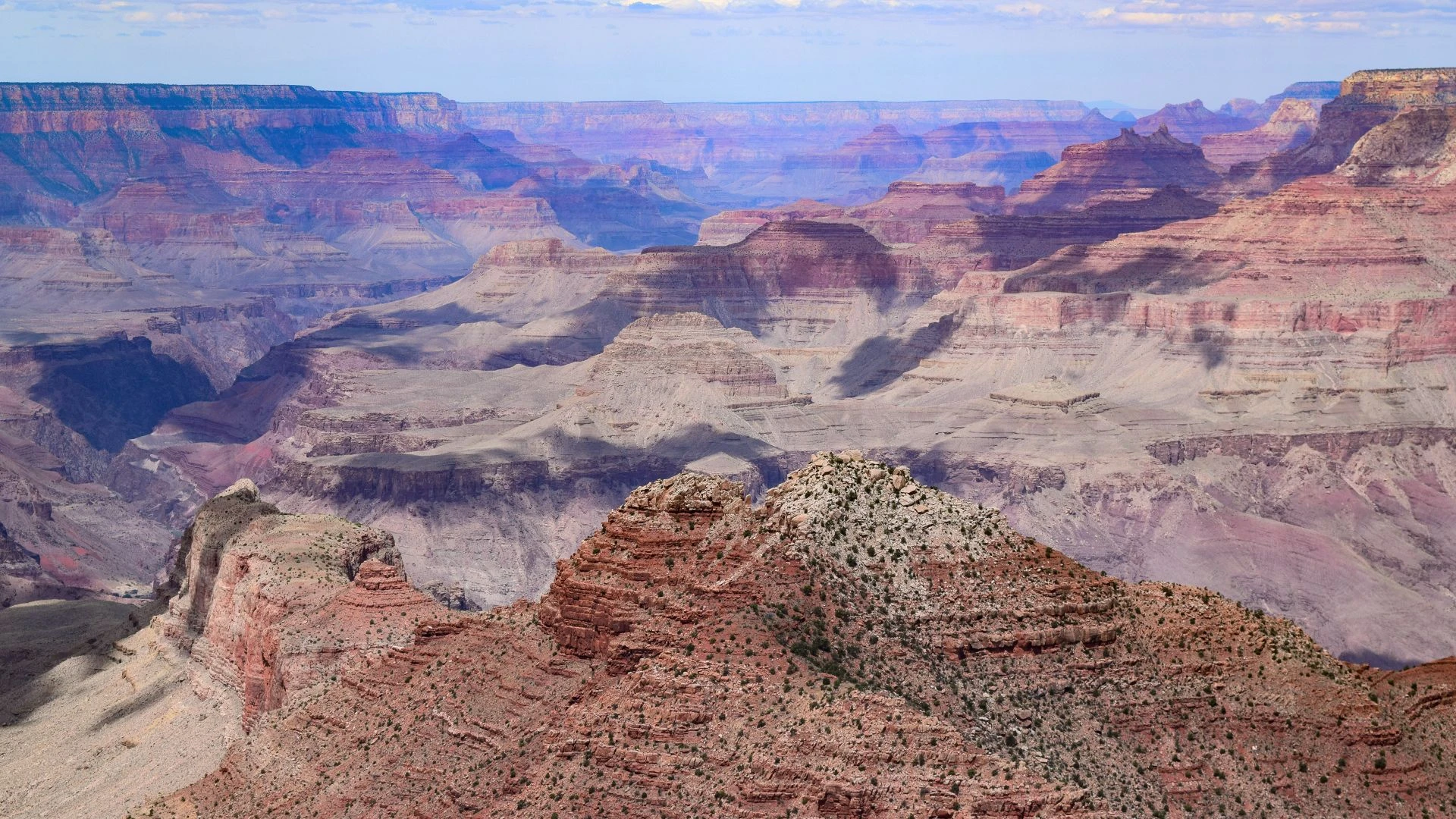
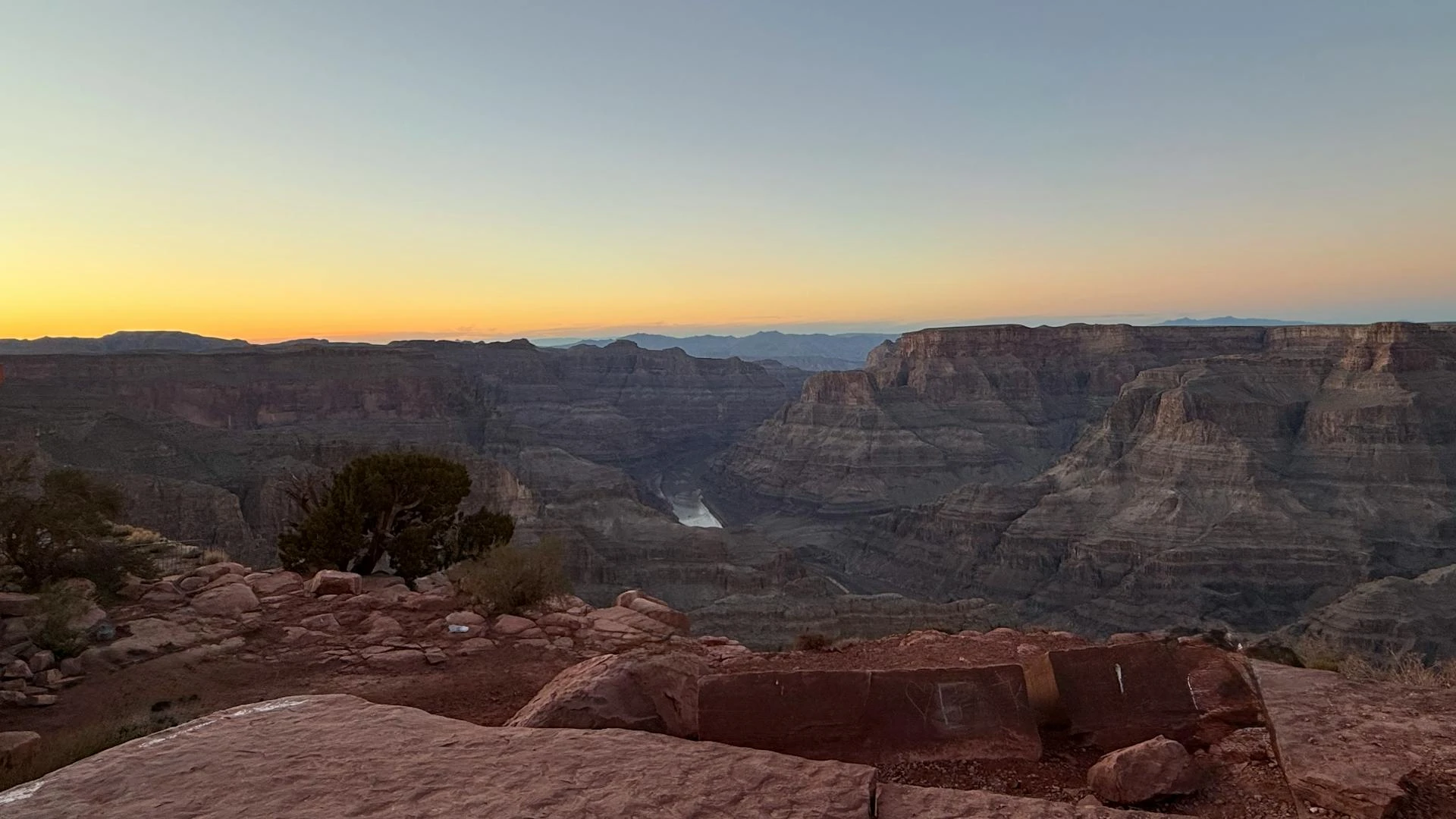
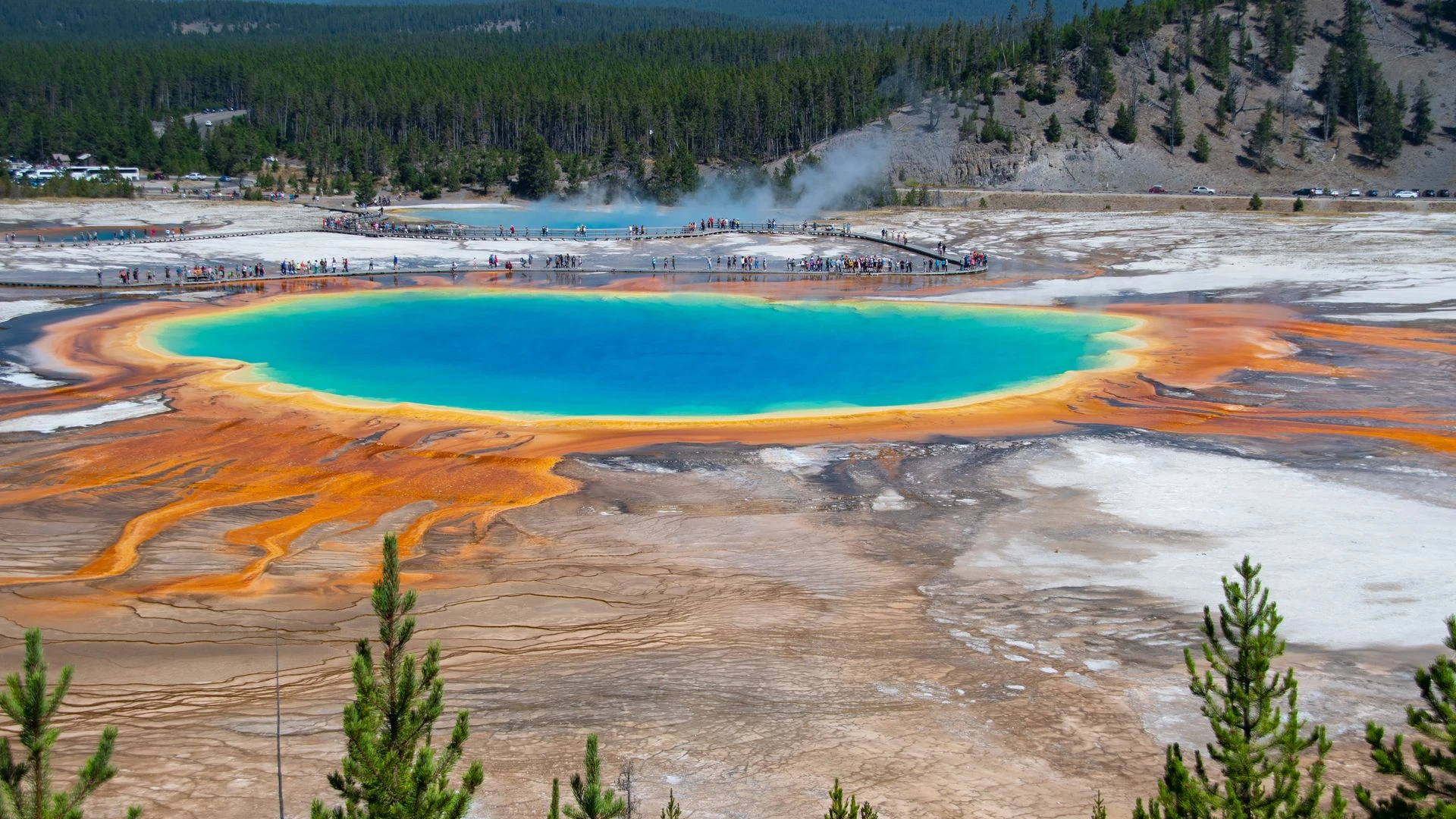
**The Grand Canyon (USA).** A mile deep, 277 miles long, and roughly two billion years of geology exposed in its walls. The South Rim is open year-round with the classic viewpoints; the North Rim is higher, cooler, and quieter (seasonal). Sunrise and sunset changes the colours — most day-trippers miss both. **Niagara Falls (USA/Canada).** Not the tallest, but among the most powerful — six million cubic feet of water a minute. The Canadian side has the better panorama; the Maid of the Mist / Hornblower boats take you into the spray. **Yellowstone (USA).** The world's first national park is also a single colossal natural landmark — a supervolcano powering Grand Prismatic Spring and Old Faithful. See our full [Yellowstone highlights guide](/yellowstone-national-park-highlights).
South America
**Iguazú Falls (Argentina/Brazil).** A two-mile-wide system of 275 waterfalls on the border of two countries — taller than Niagara and far wider. The Argentine side gets you closest (the Devil's Throat walkway is unforgettable); the Brazilian side gives the panoramic view. See both if you can. **The Amazon Rainforest (Brazil, Peru, and beyond).** The largest rainforest on Earth — best experienced from a lodge upriver from Manaus or Iquitos, where the wildlife and the scale of the river system become real. **The Atacama Desert (Chile) and Salar de Uyuni (Bolivia).** The driest desert in the world and the largest salt flat — otherworldly, high-altitude landscapes that have become bucket-list staples for their mirror-like reflections and clear-sky stargazing.
Europe
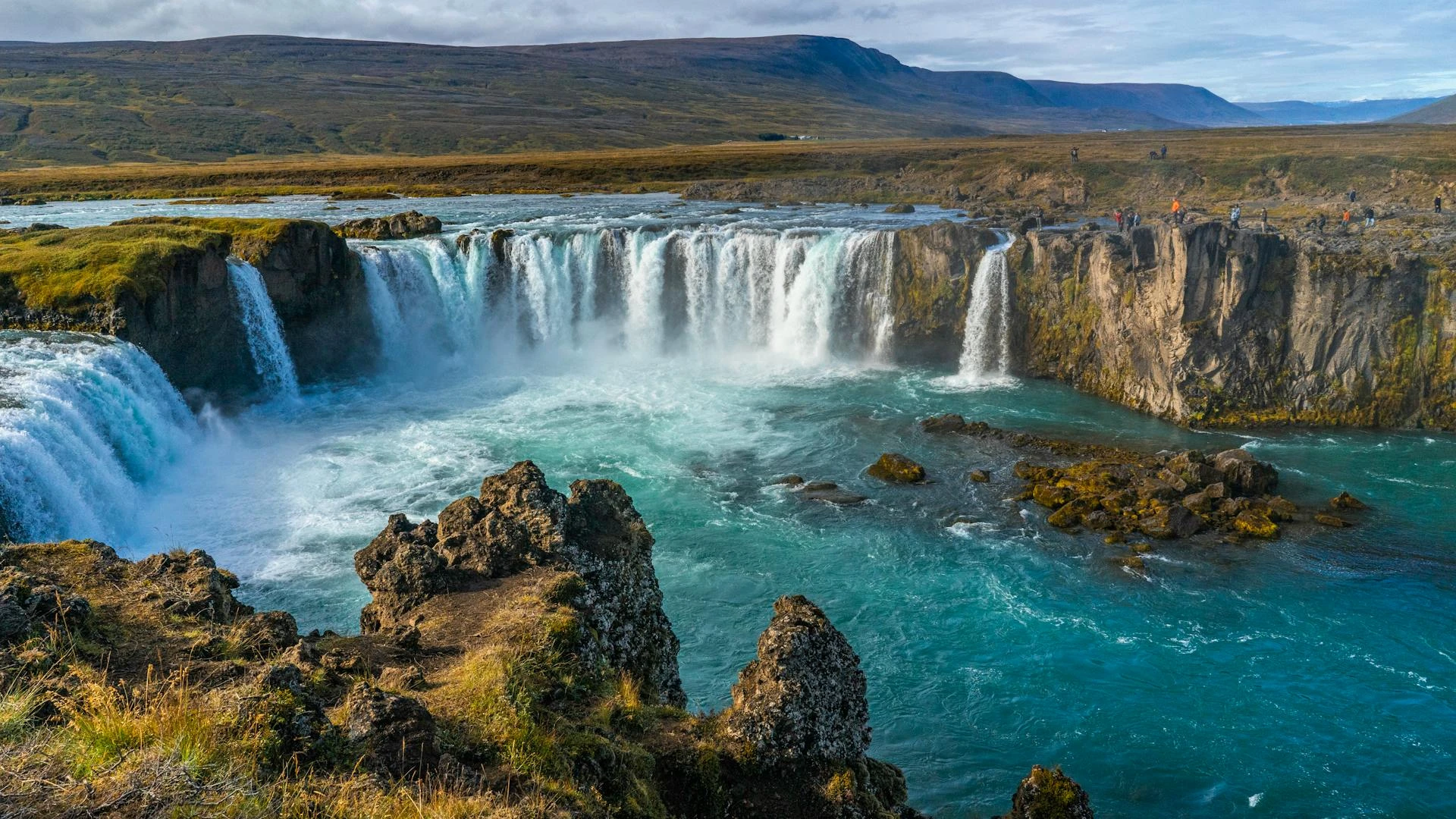
**The Northern Lights (Iceland, Norway, Finland).** The aurora borealis is the continent's most coveted natural spectacle — visible on clear, dark nights from roughly September to March, away from city light. Iceland and Norwegian/Finnish Lapland are the classic bases. See our [Iceland guides](/7-days-in-iceland-itinerary) for timing. **The Norwegian Fjords.** Geirangerfjord and Nærøyfjord are UNESCO-listed: sheer cliffs, ribbon waterfalls, and deep blue water best seen by ferry or from a clifftop viewpoint like Trolltunga. **The Cliffs of Moher (Ireland)** and **the Dolomites (Italy)** round out Europe's natural icons — the former a wall of Atlantic cliffs, the latter the most dramatic mountains in the Alps. The Dolomites feature in our [Italian destinations guide](/italian-destinations).
Africa & the Middle East
**Victoria Falls (Zambia/Zimbabwe).** Known locally as Mosi-oa-Tunya — 'the smoke that thunders' — it is the largest sheet of falling water in the world. The wet season (roughly February–May) brings maximum flow and a permanent rainbow of spray; the dry season reveals more of the rock face and allows a swim in Devil's Pool at the very edge. **Table Mountain (South Africa).** The flat-topped peak over Cape Town — reachable by cable car or hike, and among the recognisable natural landmarks on the continent. **The Sahara Desert (Morocco and across North Africa).** The world's largest hot desert — the Erg Chebbi dunes near Merzouga are the classic Moroccan gateway for a night under the stars.
Asia & Oceania
**Mount Everest & the Himalayas (Nepal/Tibet).** The highest point on Earth — you don't have to climb it; the trek to Everest Base Camp or even a scenic flight from Kathmandu delivers the scale. **The Great Barrier Reef (Australia).** The largest living structure on the planet, visible from space — snorkel or dive from Cairns or the Whitsundays, and go with operators committed to reef conservation given its fragility. **Uluru (Australia).** The vast sandstone monolith at the heart of the continent, sacred to the Anangu people. Climbing it is now prohibited out of respect; the base walk and the changing colours at sunrise and sunset are the experience. **Hạ Long Bay (Vietnam)** and **Mount Fuji (Japan)** complete Asia's icons — thousands of limestone karsts rising from emerald water, and the near-perfect volcanic cone that has defined Japanese art for centuries.
Visiting natural wonders responsibly
Famous landscapes are fragile in ways that photographs hide, and responsible visiting protects the reason you came. Stay on marked trails and respect closures, since erosion and trampling damage places faster than people expect. Take everything you bring back out, including food waste, and avoid removing rocks, plants or shells. Book in advance where permits or timed entry are required, and arrive early or late in the day to avoid crowds. Hire licensed local guides where possible, which supports the community and improves safety. Check conditions before you go, because weather, water levels and seasonal closures can change access. Respect wildlife by keeping your distance and never feeding animals. Prepare for altitude, heat or cold, and carry enough water. The best way to honour a natural wonder is to leave it as you found it, so that the next traveller, and the next generation, can stand in the same place and feel the same awe.
Frequently asked questions
Among the most famous are the Grand Canyon, Niagara Falls, Yellowstone (North America), Iguazú Falls and the Amazon (South America), the Northern Lights and Norwegian fjords (Europe), Victoria Falls and Table Mountain (Africa), and Mount Everest, the Great Barrier Reef and Uluru (Asia/Oceania). Many of these are protected areas with entry rules, seasonal conditions and limited access, so check permits and the best months before planning, and visit responsibly.
The world's famous natural landmarks endure because they do something no city or monument can — they remind you of scale, age, and the planet's own artistry. The best advice for seeing them is the same everywhere: time your visit to the landmark's rhythm (the wet season for waterfalls, dark winter skies for the aurora), tread lightly, and give yourself the sunrise or sunset rather than the crowded midday. Pick one, build a trip around it, and let the rest of the list become your next decade of travel.
Get there
Flights
One search across 700+ airlines — find the real lowest fare for your dates.
Search flightsWhere to stay
Hotels
Browse verified hotels and stays — instant confirmation, secure booking.
Book on KKdayThings to do
Activities
Tours, attractions, and day trips — free cancellation on most experiences.
Book on KlookTours & Experiences
Book the experiences, not just the trip
Skip-the-line tickets, guided tours, and day trips — free cancellation on most, confirmed instantly.
About the author
Camille Laurent
Senior Travel Editor · Based in Lisbon · Bali
Camille has spent the last 9 years living in or reporting from over 60 countries. Former contributor to Condé Nast Traveler and Monocle, she focuses on Southeast Asia, Mediterranean Europe, and the Middle East. Currently based between Lisbon and Bali.
More from The Edit
Travel Guides
Yellowstone National Park Highlights: The Must-See Geysers, Wildlife & Canyons
Yellowstone is the size of a small country and the world's first national park. You cannot see it all in one trip — but these are the highlights that earn the drive, plus how to see them without the worst of the crowds.
11 min read

Travel Guides
Hawaii Travel Destinations: Which Hawaiian Island Should You Visit?
Hawaii isn't one destination — it's six very different islands. Pick the wrong one and you'll spend the trip wishing you were somewhere else in the same state. Here's how to choose.
11 min read

Travel Guides
Italian Destinations: A Region-by-Region Guide to the Best of Italy
Italy is not one destination — it's twenty regions, each with its own food, dialect, and landscape. This is the map: the classic cities, the regions worth the detour, and how to combine them.
12 min read

Travel Guides
Travelers Netflix: Cast, Plot, All 3 Seasons Explained, and Why It Ended
Travelers ran three seasons on Showcase and Netflix, built among the logically consistent time travel premises in television, and was cancelled before its story was resolved. Here is the complete guide.
10 min read