
Yellowstone National Park Highlights: The Must-See Geysers, Wildlife & Canyons
Yellowstone is the size of a small country and the world's first national park. You cannot see it all in one trip — but these are the highlights that earn the drive, plus how to see them without the worst of the crowds.
Yellowstone was the first national park anywhere in the world, established in 1872, and it remains among the extraordinary landscapes on the planet — a supervolcano caldera that powers half the Earth's geysers, set in 2.2 million acres of mountains, canyons, and wildlife-rich valleys. The mistake most first-timers make is trying to see it all in a day or two. You can't. What follows is the realistic shortlist: the highlights genuinely worth your time, organised so you can plan a trip around them. If you're planning further, our Famous Natural Landmarks guide and Hawaii Travel Destinations guide cover the logical next steps.
Planning this trip?
Find flights now
Compare prices across 700+ airlines and OTAs in one search — find the real lowest fare without the inflated middleman markup.
Search flightsNeed a place to stay?
Search hotels
The Geyser Basins: Grand Prismatic & Old Faithful
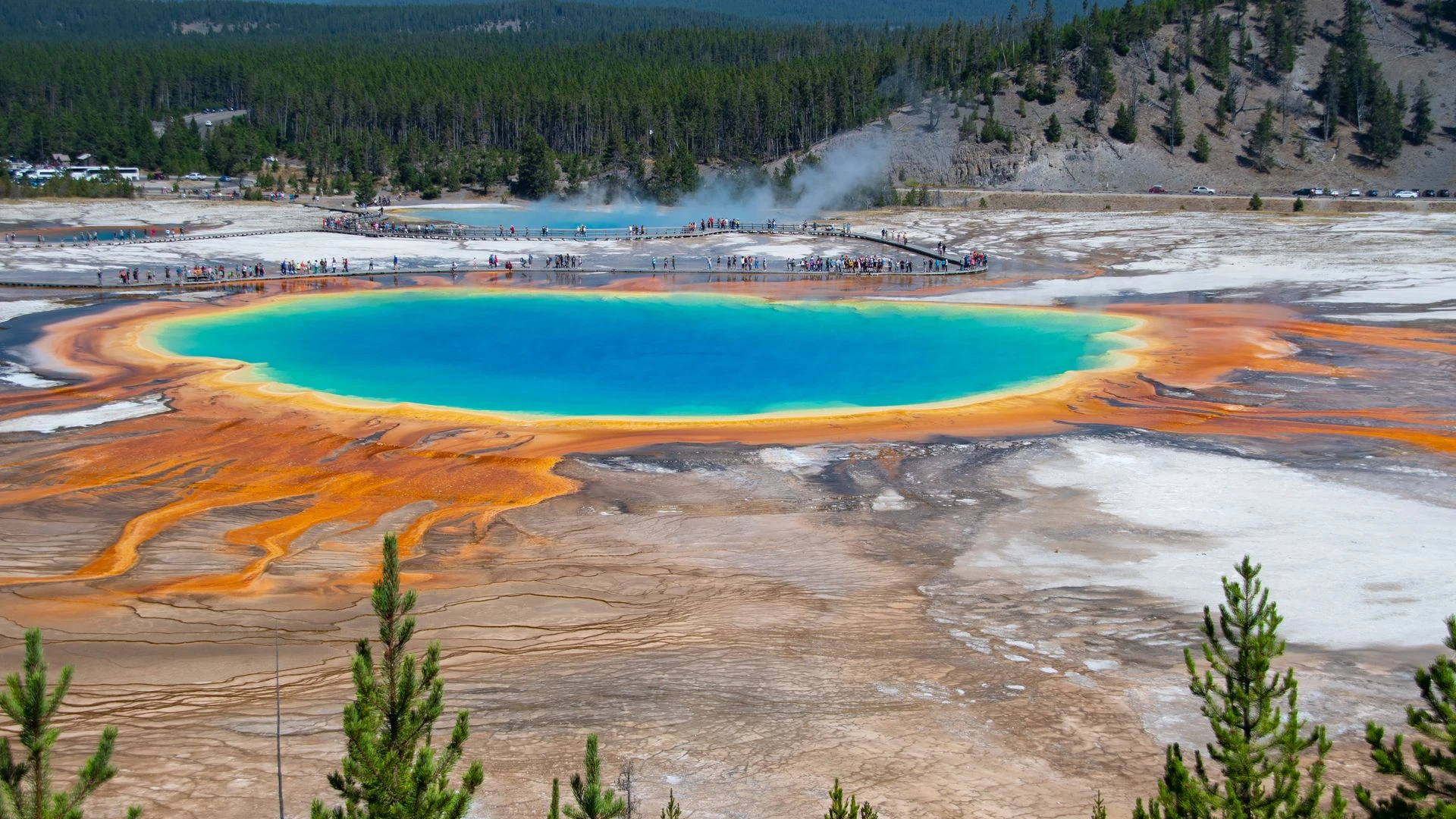
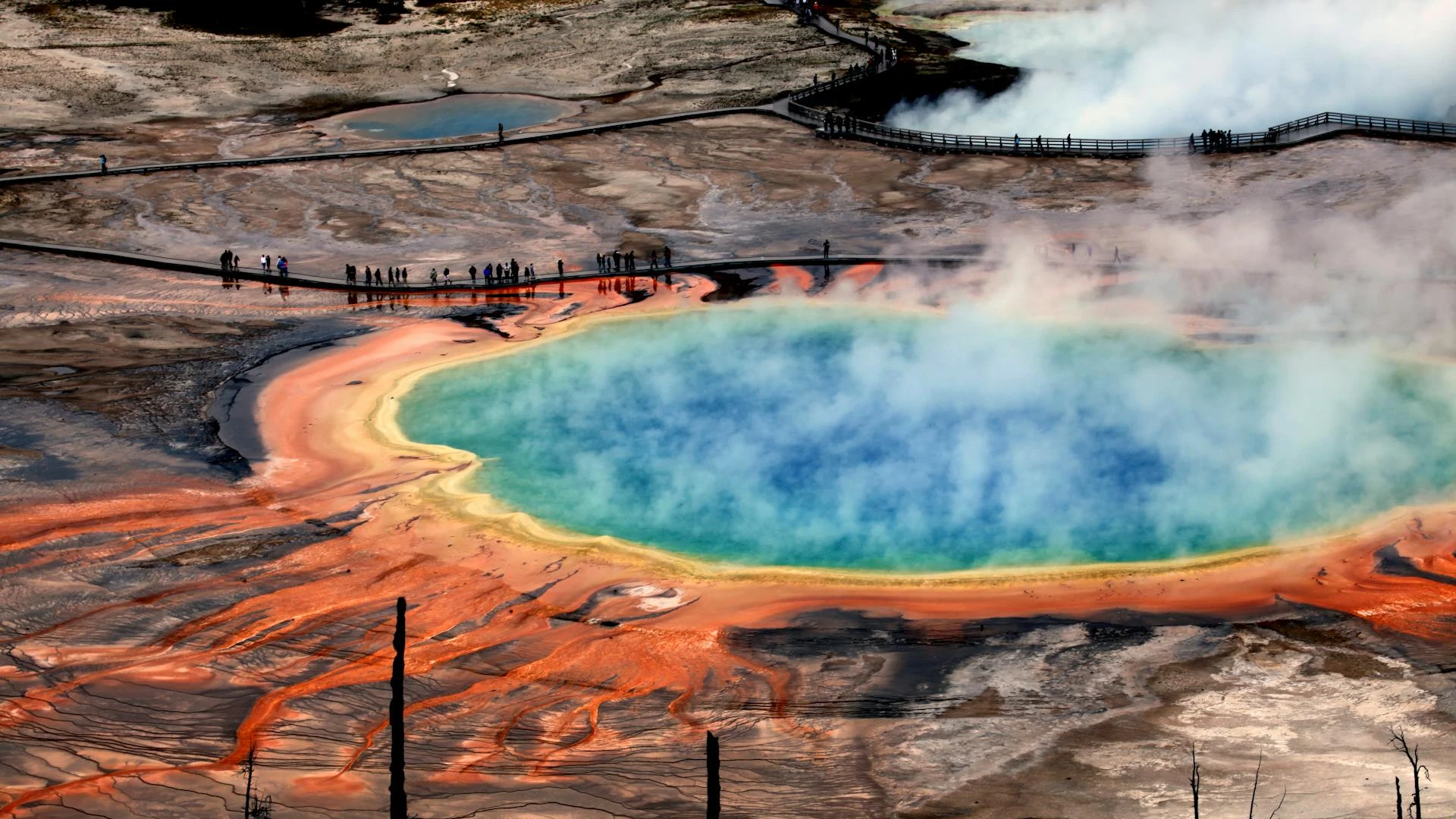
Yellowstone's western side holds the greatest concentration of geothermal features on Earth, and two of them define the park. **Grand Prismatic Spring** (Midway Geyser Basin) is the most photographed sight in Yellowstone — a vast hot spring ringed in bands of orange, gold, and emerald created by heat-loving bacteria. The boardwalk gets you close, but the iconic rainbow view is from the Grand Prismatic Overlook trail (a short uphill walk from the Fairy Falls trailhead). Go mid-morning when the steam thins and the colours pop. **Old Faithful** (Upper Geyser Basin) erupts roughly every 90 minutes, sending water 100–180 feet into the air. Predicted eruption times are posted at the visitor centre and on the park app. While you wait, walk the Upper Geyser Basin boardwalk — it contains the highest density of geysers in the world, including the taller, less predictable Grand and Castle geysers. Both basins are busiest 10am–4pm. Arriving before 9am or after 5pm changes the experience.
Wildlife: Lamar & Hayden Valleys
Yellowstone is one of the last places in the lower 48 states where you can see a full complement of large North American mammals roaming free — bison, elk, grizzly and black bears, wolves, pronghorn, and bighorn sheep. **Lamar Valley**, in the park's remote northeast, is nicknamed the 'American Serengeti' for good reason: it is the single best place to see wolves and large bison herds. Serious wildlife watchers arrive before dawn with spotting scopes; you'll often spot them roadside and they are generous with sightings. **Hayden Valley**, in the central park, is the other prime wildlife corridor — excellent for bison (expect 'bison jams' on the road), grizzlies at a distance, and birds along the Yellowstone River. The rules that matter: stay 100 yards from bears and wolves, 25 yards from everything else. Bison cause more injuries in the park than any other animal — they look docile and are not. Dawn and dusk are when wildlife is most active and the light is best.
The Grand Canyon of the Yellowstone
Most visitors associate canyons with the Southwest, but Yellowstone has its own — a 20-mile gorge of yellow and pink rhyolite (the rock that gave the park its name) carved by the Yellowstone River. The highlight is the **Lower Falls**, a 308-foot waterfall — nearly twice the height of Niagara — plunging into the canyon. Two viewpoints define it: **Artist Point** (South Rim) frames the falls with the canyon's colours behind, and **Lookout Point** (North Rim) gives a head-on view. The strenuous but unforgettable **Uncle Tom's / Brink of the Lower Falls** trails take you down toward the water itself. The canyon is on the park's eastern loop, a manageable drive from Hayden Valley — pair the two for a single full day combining wildlife and the canyon.
Beyond the Headlines: Lakes, Springs & Drives
If you have time beyond the marquee sights: **Mammoth Hot Springs** (north) is a surreal landscape of travertine terraces — like a frozen white-and-orange staircase — near the historic North Entrance. **Yellowstone Lake** (southeast) is the largest high-elevation lake in North America, with the West Thumb Geyser Basin bubbling right at its shore. **The Beartooth Highway** (northeast entrance, seasonal) is among the dramatic mountain drives in America, climbing to nearly 11,000 feet — worth a half-day if it's open and the weather is clear. **Norris Geyser Basin** is the park's hottest and most dynamic thermal area, home to Steamboat, the world's tallest active geyser (though its major eruptions are unpredictable).
Planning Your Visit: When, Where & How Long
**How long:** Three full days is the realistic minimum to see the highlights without rushing; five lets you slow down and add the Tetons (an hour south). **When to go:** Summer (June–August) has the best weather and all roads open, but also the heaviest crowds. **May and September** are the sweet spots — fewer people, active wildlife (spring babies / autumn rut), and mostly open roads. Winter is magical but limited (most roads close to cars; access is by snowcoach). **Entrances:** Five gates. West Yellowstone (Montana) is closest to the geyser basins; the North Entrance (Gardiner) is open year-round and nearest Lamar Valley and Mammoth. **Where to stay:** In-park lodges (Old Faithful Inn is a destination in itself) book out 6–12 months ahead. Gateway towns — West Yellowstone, Gardiner, Cooke City — are the fallback. Either way, book early. **Getting around:** You need a car. Distances are large, there's no public transport inside the park, and the famous Grand Loop Road is 142 miles. Fill up on fuel in gateway towns. For more bucket-list nature, see our guide to the world's [famous natural landmarks](/famous-natural-landmarks).
Managing time, roads and crowds inside the park
Yellowstone is large, and the road layout is a loop with long distances between the main areas, so travel time is the real constraint. Plan by area and allow generous driving time, particularly in summer, when slow traffic from wildlife sightings can stretch a short leg. Start early for the popular basins and viewpoints, since car parks fill up and the light and steam are often best in the morning. Keep a safe distance from wildlife, follow the required distances from bears and bison, and never approach animals for a photograph. Stay on boardwalks in the thermal areas, because the ground can be thin and the water dangerously hot. Weather changes quickly at altitude, so carry layers and check road status, as some sections close in bad weather or for construction, and many close for winter. Book lodging inside or near the park far in advance, and consider basing yourself in different gateway areas if you have several days. Patience and early starts make the biggest difference to how the park feels.
Frequently asked questions
The essential highlights are Grand Prismatic Spring and Old Faithful (the western geyser basins), wildlife in Lamar and Hayden Valleys (bison, wolves, bears), and the Grand Canyon of the Yellowstone with its 308-foot Lower Falls. Mammoth Hot Springs and Yellowstone Lake round out a longer visit.
Yellowstone rewards a plan. Anchor your days around the two geyser basins (Grand Prismatic and Old Faithful), the two wildlife valleys (Lamar and Hayden), and the Grand Canyon of the Yellowstone, and you'll have seen the genuine highlights of the world's first national park. Go early, go in shoulder season if you can, keep your distance from the wildlife, and give yourself at least three days. It is, even by the standards of America's great parks, something close to another planet.
Get there
Flights
One search across 700+ airlines — find the real lowest fare for your dates.
Search flightsWhere to stay
Hotels
Browse verified hotels and stays — instant confirmation, secure booking.
Book on KKdayThings to do
Activities
Tours, attractions, and day trips — free cancellation on most experiences.
Book on KlookTours & Experiences
Book the experiences, not just the trip
Skip-the-line tickets, guided tours, and day trips — free cancellation on most, confirmed instantly.
About the author
Marcus Chen
Hotels & Deals Editor · Based in New York City
Marcus reviews hotels for a living — and has slept in over 400 of them. Before TravelBuzzy, he ran the hotel desk at a major loyalty publication and consulted for two boutique hotel groups. He covers the Americas, Japan, and luxury travel.
More from The Edit
Travel Guides
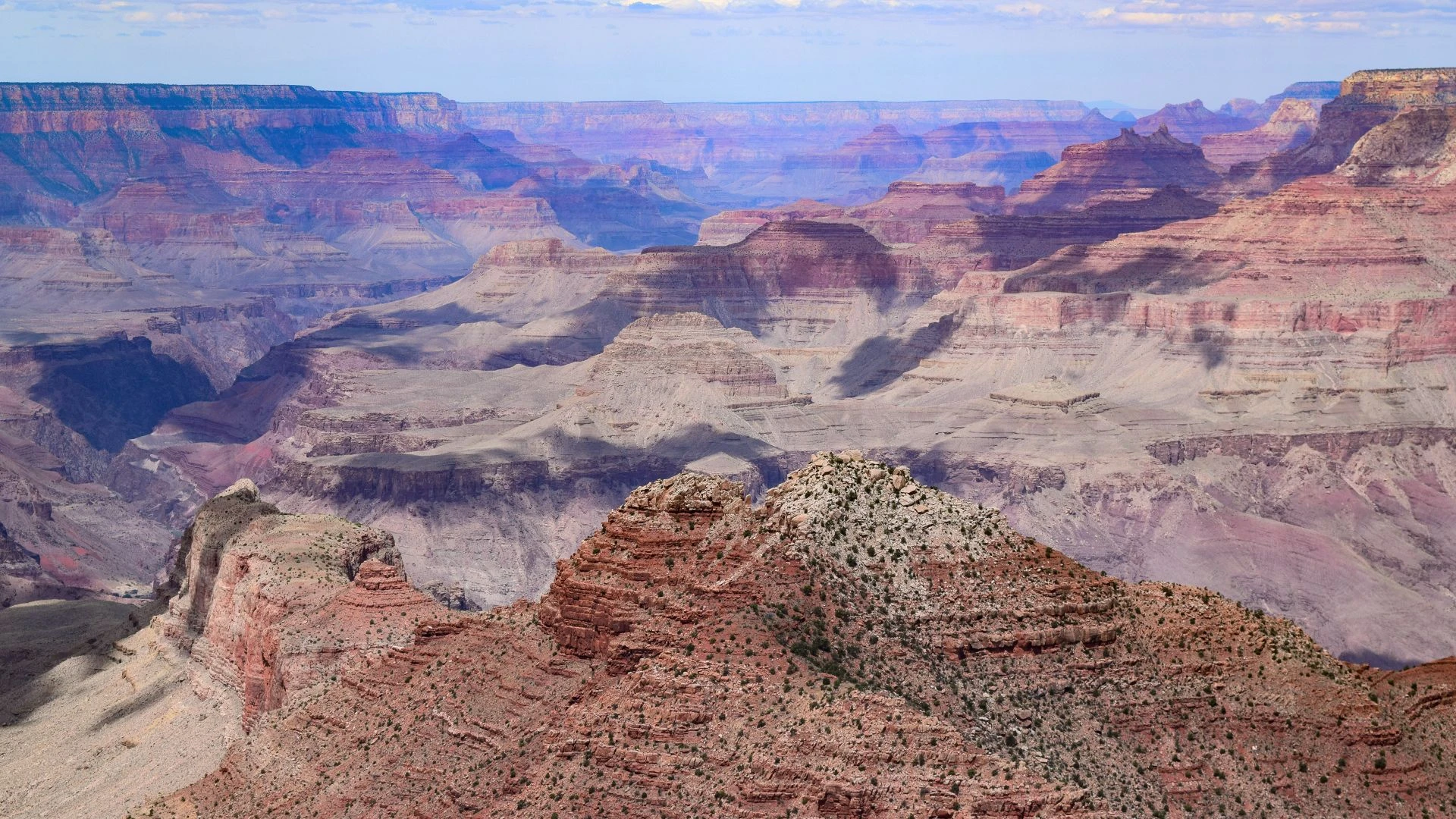
Famous Natural Landmarks: 15 of the World's Most remarkable Wonders (and How to See Them)
Some places stop you mid-sentence. These are the natural landmarks that have done it for travellers for generations — organised by continent, with the honest practicalities of actually getting to each one.
12 min read
Travel Guides
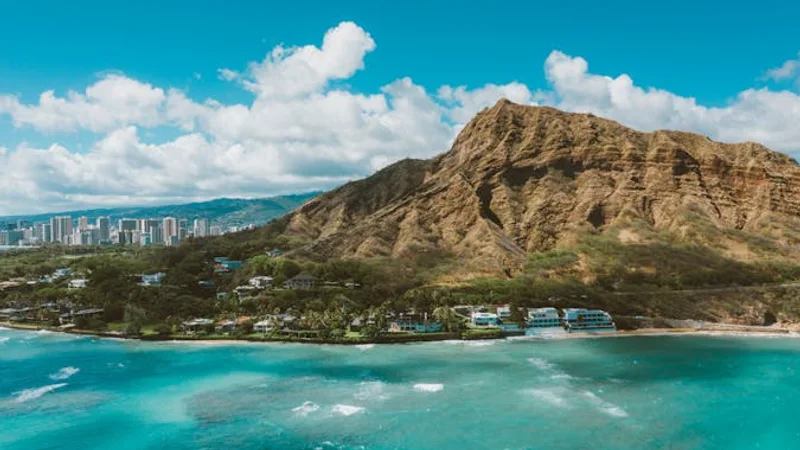
Hawaii Travel Destinations: Which Hawaiian Island Should You Visit?
Hawaii isn't one destination — it's six very different islands. Pick the wrong one and you'll spend the trip wishing you were somewhere else in the same state. Here's how to choose.
11 min read

Travel Guides
Is Egypt Safe for Tourists in 2026? — What the Experience Actually Looks Like
Millions visit Egypt every year without incident. But 'generally safe' isn't the same as 'safe everywhere' — the pyramid circuit and the Sinai coast are two different risk calculations.
10 min read