

Best Time to Travel to Aruba in 2026 — The Island That Has Almost No Bad Months
Aruba sits outside the Caribbean hurricane belt, gets 22 inches of rain per year (less than Phoenix), and maintains a consistent 28°C year-round. The question isn't whether to go in summer — it's whether to avoid the specific windows when prices spike.
Aruba is the Caribbean's most reliably pleasant destination for visitors who don't want to think about weather. The island averages 22 inches of annual rainfall (compare: Los Angeles gets 15 inches, London gets 23). The trade winds keep the temperature feeling cooler than 28°C would imply. The hurricane belt passes north of Aruba at latitude 12°N — the island's last significant hurricane hit in 1999. The weather calculation for Aruba is not 'which month is safe' but 'which month has the best value.' If you're planning further, our Turks and Caicos Islands Travel Advisory 2026 guide and Caribbean Island Travel Permit Requirements guide cover the logical next steps.
Planning this trip?
Find flights now
Compare prices across 700+ airlines and OTAs in one search — find the real lowest fare without the inflated middleman markup.
Search flightsNeed a place to stay?
Search hotels
Choosing a side of the island
Aruba is small, but where you stay changes the trip more than the month does. The north-west coast around Palm Beach is the resort heart, with high-rise hotels, restaurants and evening activity within walking distance. Eagle Beach, a little further along, has low-rise properties and a calmer, more residential feel. Both face the sheltered western shore, where the water is typically calm and suited to swimming. The east coast is a different world, with rugged seas that are better for scenery than swimming, and the south around the capital and the airport mixes local life with quieter beaches. First-time visitors who want easy logistics usually choose Palm Beach, while travellers seeking space and quiet gravitate towards Eagle Beach. Wind patterns also affect comfort, so a sheltered beach can feel noticeably more pleasant on breezy days. Decide on the atmosphere you want, then match the month to your budget.
Hidden costs and how to plan around them
The advertised nightly rate for an Aruba hotel is rarely the final price. Government taxes and a service charge are typically added on top, and resort properties may charge additional daily fees, so compare the total cost rather than the headline number. Dining is more expensive than in many neighbouring islands because much of the food is imported, although local restaurants offer better value than resort venues. Rental cars and excursions add up quickly, and booking activities ahead often costs less than buying on the spot. Entry requirements are worth checking before departure, since some travellers must complete digital forms in advance. Travel insurance is a sensible precaution even in a low-risk destination. Finally, high season prices peak sharply around holidays, so shifting a stay by a week can produce meaningful savings. The island's stable weather means that flexibility on dates is often the easiest way to keep the total cost under control.
Reading Aruba's rain, wind and sea by month
Aruba's small rainfall total is concentrated in a short wetter period late in the year, when showers tend to be brief and heavy and skies clear quickly afterwards. That pattern makes the island forgiving for travellers who are flexible with their days, and it is why the decision usually turns on price and crowds. Wind is the other variable. Steady trade winds cool the beaches and make the leeward side comfortable, but they can also make the exposed coasts rough and can affect boat trips and water sports. Sea conditions on the sheltered western beaches stay calm for most of the year, while the windward east coast is for scenery, not swimming. Summer brings hotter air, warmer water and lower rates, while the winter peak brings the most visitors and the highest prices. If you want lively beaches and full restaurants, choose the peak. If you prefer space and value, choose the shoulder months and accept the possibility of a rain shower. Check the weather a week ahead.
The price-to-weather matrix
Aruba has two pricing seasons that don't correspond to weather seasons. Peak season (December 15–April 30): the highest hotel rates of the year, driven by North American winter escapees. The weather is objectively the same as other months — this is entirely demand-driven pricing. Easter week and Christmas–New Year are the absolute peak within peak. High season (May–July): prices begin to fall from April peak, weather unchanged, trade winds consistent. True shoulder (August–November): lowest prices, same weather, technically 'hurricane season' but Aruba's outside-the-belt geography makes this a minimal risk. The single most useful planning insight: April 15–June 30 is Aruba's best value window — post-peak pricing, pre-summer pricing, same sea and sky.

Wind: the variable most visitors don't plan for
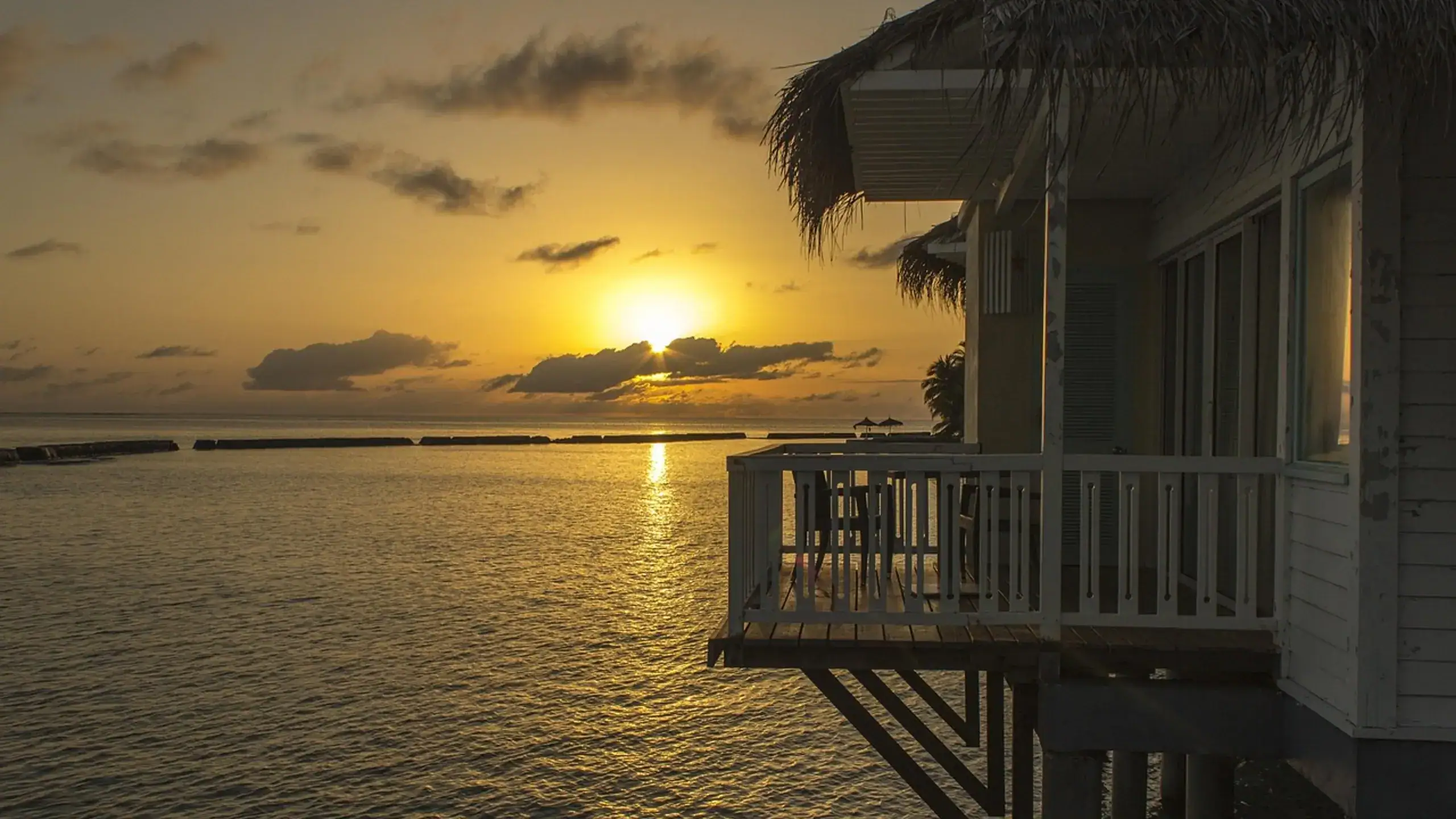
Aruba's trade winds (locally called alisios) blow from the northeast at 15–25 mph virtually year-round. This is the feature that makes Aruba's climate so consistent — the wind prevents the oppressive humidity of most Caribbean islands. It also creates a specific beach geography: the north and northwest coast (Palm Beach, Eagle Beach, Manchebo Beach) is the leeward side — calm, swimmable, sheltered. The east and northeast coast (Natural Pool, Arikok National Park) is the windward side — dramatic, rocky, not for swimming. The east coast's Baby Beach (at the southern tip) is a sheltered lagoon exception. Most visitors base on Palm Beach; the Arikok east coast is a day-trip destination for the lunar landscape and natural pool.
Editor's tips
- Eagle Beach is consistently rated one of the world's best beaches and is less crowded than Palm Beach — stay at the southern resort hotels for direct access
- Aruba's trade winds make windsurfing and kitesurfing among the best in the Caribbean — the Fisherman's Huts area north of Palm Beach is the main kite spot
- The Arikok National Park (20% of the island) has the best hiking trails for exploring the windward volcanic landscape — start early, it's exposed
Month-by-month guide
January–February: peak season, highest prices, North American snowbird crowd at maximum. Weather: identical to all other months. Book 3–4 months ahead. March–April: Easter brings a specific price spike (Easter week); pre-Easter March is still peak pricing but manageable. Late April is when prices begin dropping. May–June: sweet spot. Post-peak prices (20–30% below February), identical weather, some long-weekend domestic Dutch Caribbean visitors but international crowd has thinned. July–August: European summer visitors offset the departure of North Americans — prices remain elevated. September–November: lowest prices of the year. Technically hurricane season but statistically minimal risk for Aruba. September and October have slightly higher rain frequency (still far below Caribbean averages). December: prices spike December 15 onward. Book early or choose early December before the holiday surge.

Find the Best Flight Deals
Prices vary dramatically by month. Compare live fares from hundreds of airlines to lock in the cheapest window for your travel dates.
Where to Stay
From boutique guesthouses to luxury resorts, the accommodation you choose shapes the trip. Filter by neighbourhood, price, and guest rating to find your match.
Frequently asked questions
April 15–June 30 is the best value window: post-peak (North American winter) pricing at 20–30% below February rates, with identical weather conditions. December–April is peak season with maximum pricing. August–November is cheapest but 'hurricane season' technically (minimal risk for Aruba specifically).
Aruba's best time to visit is simply the window that matches your budget. The weather is consistent year-round — the island is the Caribbean's most reliable in terms of sunshine and the absence of rain and hurricane risk. The April 15–June 30 window delivers the sweet spot: post-peak pricing, pre-European-summer pricing, empty-ish beaches, and the same 28°C and trade winds as December.
Get there
Flights
One search across 700+ airlines — find the real lowest fare for your dates.
Search flightsWhere to stay
Hotels
Browse verified hotels and stays — instant confirmation, secure booking.
Book on KKdayThings to do
Activities
Tours, attractions, and day trips — free cancellation on most experiences.
Book on KlookTours & Experiences
Book the experiences, not just the trip
Skip-the-line tickets, guided tours, and day trips — free cancellation on most, confirmed instantly.
About the author
Marcus Chen
Hotels & Deals Editor · Based in New York City
Marcus reviews hotels for a living — and has slept in over 400 of them. Before TravelBuzzy, he ran the hotel desk at a major loyalty publication and consulted for two boutique hotel groups. He covers the Americas, Japan, and luxury travel.
Read next — destinations

More from The Edit

Travel Guides
Turks and Caicos Islands Travel Advisory 2026 — What Visitors Need to Know
The beaches are real, the water is exactly as blue as the photographs, and the safety picture is almost entirely benign — with one exception that every visitor must know before they arrive.
9 min read

Travel Guides
Caribbean Island Travel Permit Requirements 2026 — What You Actually Need by Destination
Every Caribbean island has its own entry rules, and they've shifted more than once since 2022. Here is the current document checklist by island — no generic advice, just what each border requires.
10 min read

When to Go
Best Places to Travel in January 2026 — 10 Destinations Worth the Winter Escape
January has lower prices, lighter crowds, and a version of almost every major destination that most people who've visited in peak season have never seen. Here's where to go.
12 min read