Oman: Why the Gulf's Quietest Country Is About to Get Very Loud
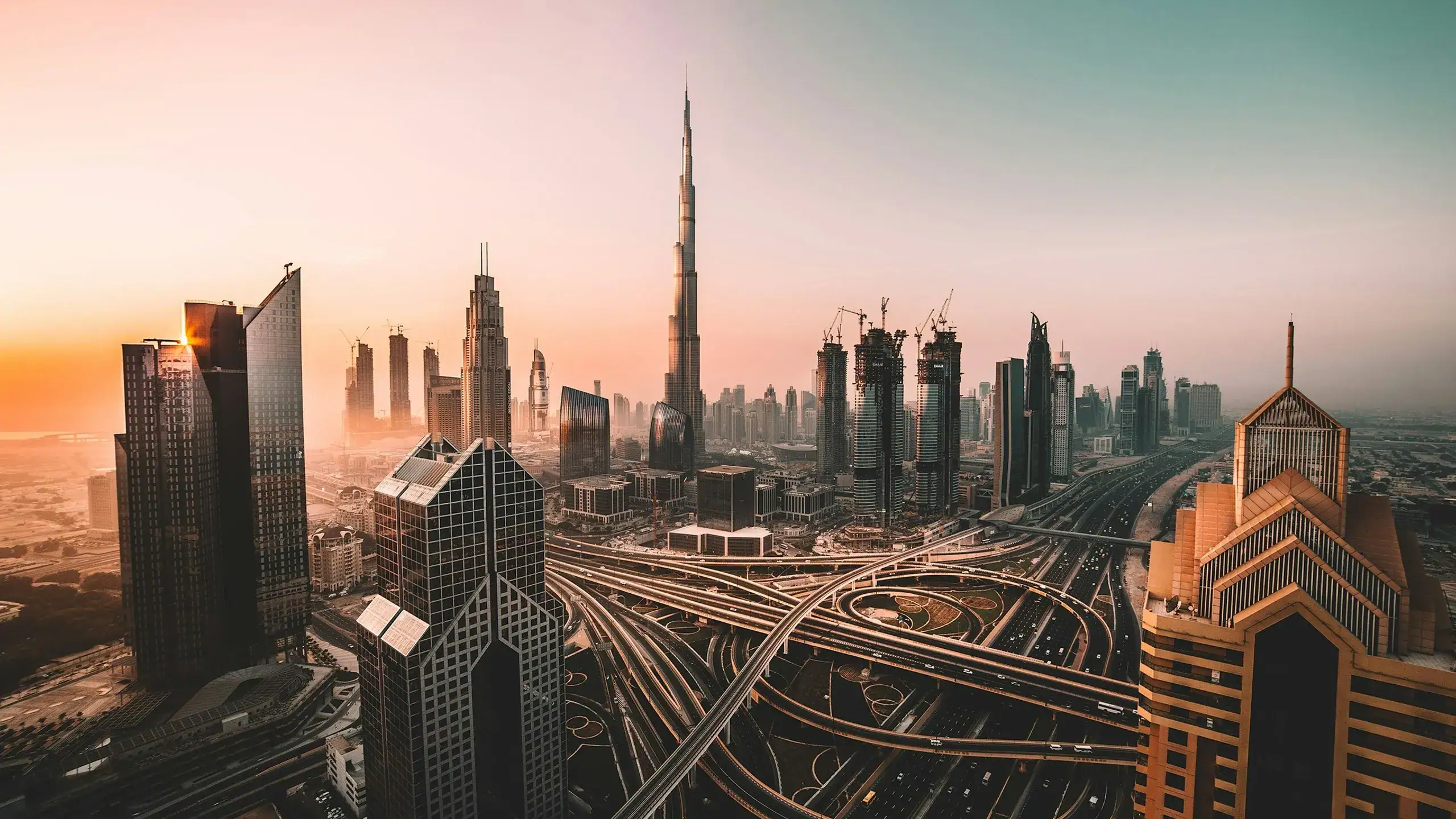
While Dubai builds another mall, Oman has been quietly laying eco-lodge foundations in its mountains and keeping its coastline gloriously undeveloped. That window is closing.
I first drove into Oman from the UAE on a Thursday afternoon, through the Hatta border crossing, and within forty minutes the landscape had shifted completely. No billboards, no construction cranes — just rock, road, and extraordinary light. Two years and three return trips later, Oman remains the most underrated country I have visited in a decade.
Planning this trip?
Find flights now
Compare prices across 700+ airlines and OTAs in one search — find the real lowest fare without the inflated middleman markup.
Search flightsNeed a place to stay?
Search hotels
Muscat: a capital that refuses to shout
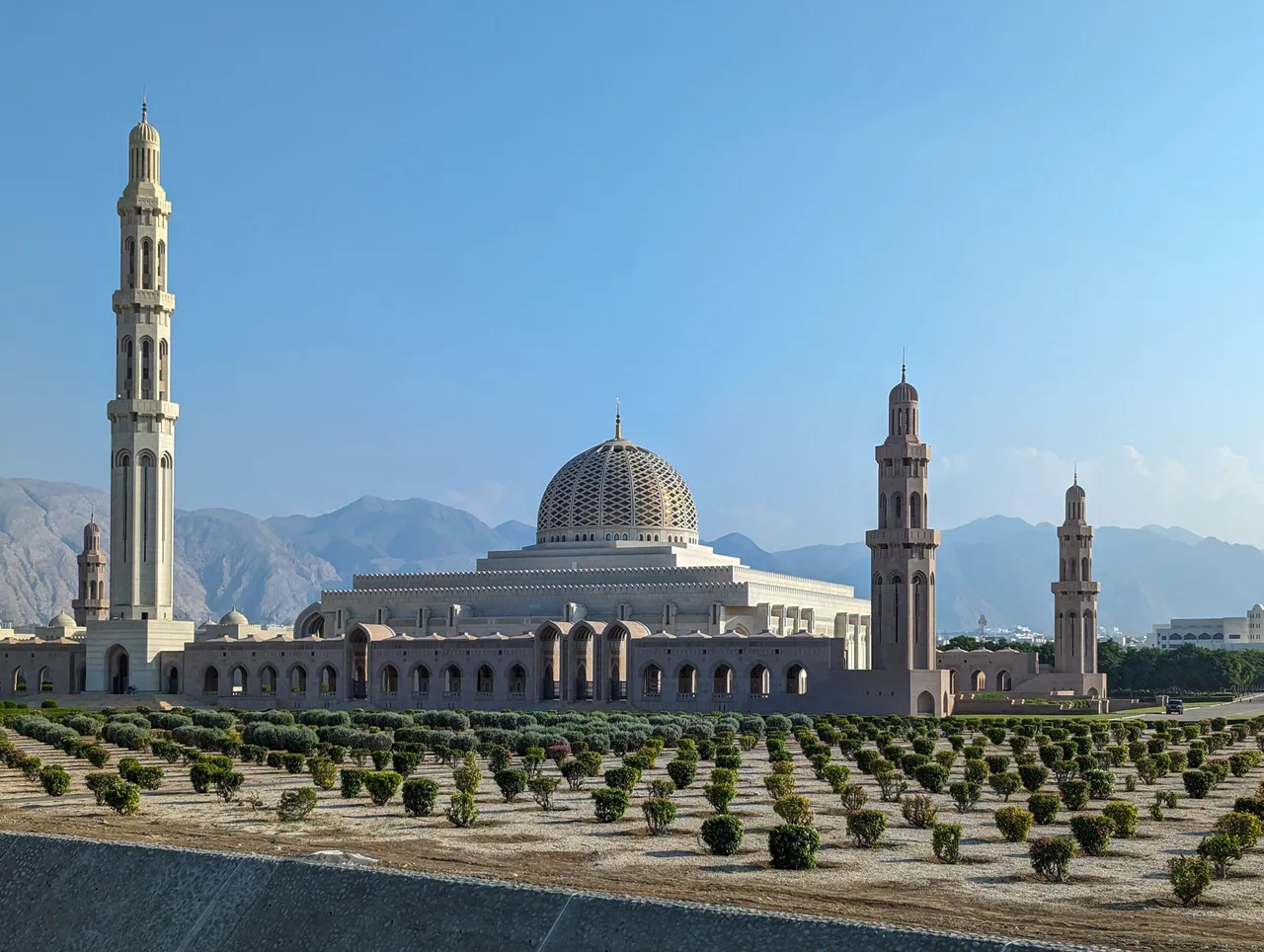
A royal decree caps buildings at nine stories. The Sultan Qaboos Grand Mosque — free, open 8–11am except Fridays — holds the world's second-largest hand-woven carpet. Mutrah Souq sells frankincense and silver in a two-century-old labyrinth. Bait Al Luban serves shuwa (slow-cooked lamb) for 8 OMR ($21). The Royal Opera House hosts international performances Oct–April.
Editor's tips
- Grand Mosque allows photography everywhere except the main prayer hall
- Taxis don't use metres — agree on fare before entering, or use Mwasalat bus (0.500 OMR)
Jebel Akhdar: the mountain nobody expects
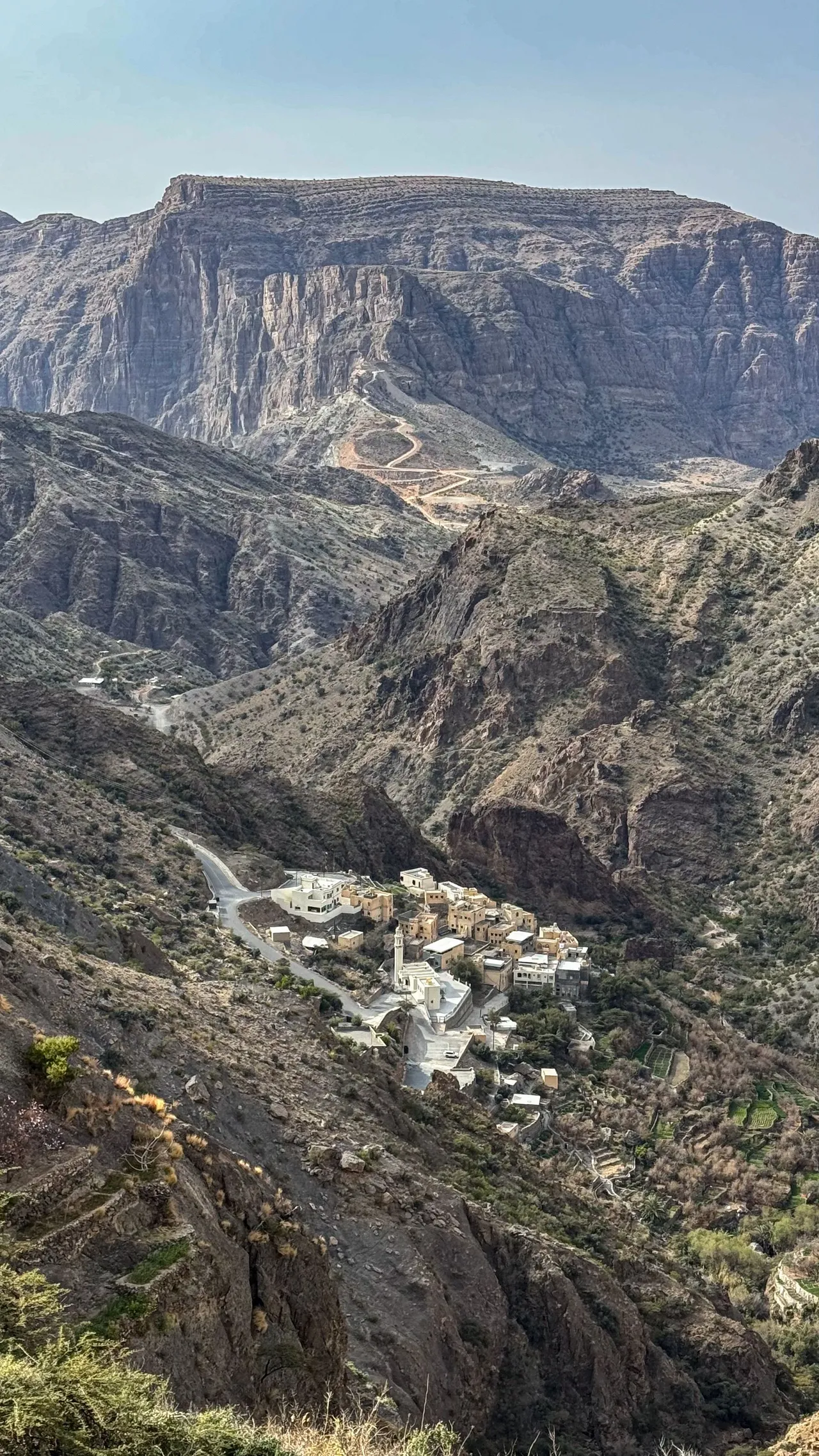
2,980 metres, 15°C cooler than the coast, 47 switchbacks requiring 4WD (police checkpoint enforces this). Villages terrace-farm roses, pomegranates, walnuts. Rosewater costs 3–5 OMR from village farmers. Anantara resort from $350/night; newer eco-camps $150–$220. Diana's Point overlooks a 1,000-metre canyon rivalling parts of the Grand Canyon.
Editor's tips
- Book 3–4 months ahead — fewer than 200 rooms on the entire mountain
- Carry a jacket even in October — altitude temperature drop catches visitors off guard
Wahiba Sands: desert camps done right
12,500 km² desert, 100-metre dunes. Canvas Club $120/night, Desert Nights Camp $180–250. One night is enough for most. The approach drive — gravel to scrubland to towering dunes over 30 km — is more dramatic than any individual dune. Deflate tyres to 18 PSI at the desert entrance.
Editor's tips
- 4WD rental runs $50–$80/day from Budget Muscat
- Bring a headlamp and sleeping bag liner
Wadis: Wadi Shab and Wadi Bani Khalid
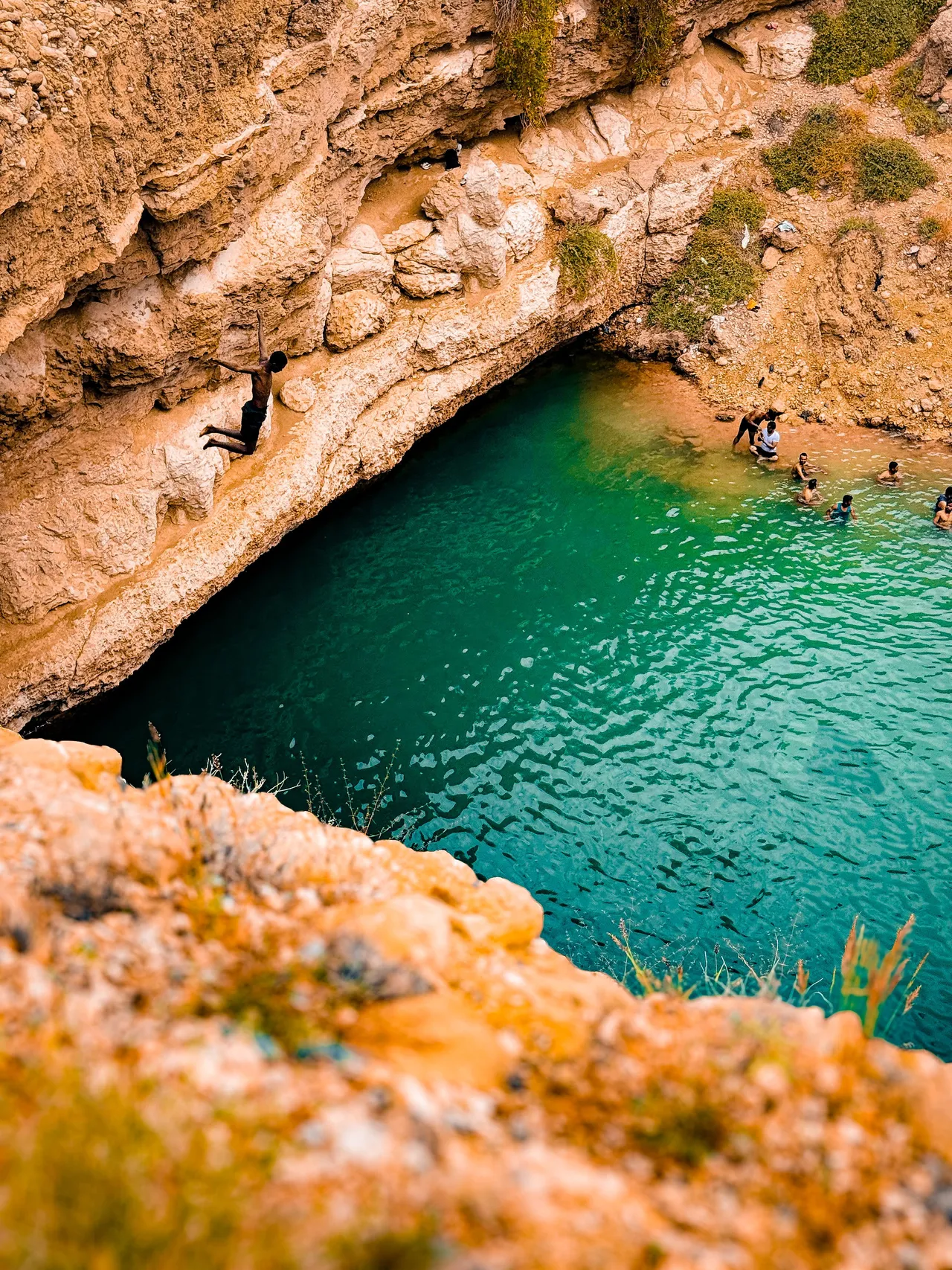
Wadi Shab: 1 OMR boat crossing, 45-minute walk through turquoise pools to a hidden waterfall inside a cave. The swim through a 15-metre slot canyon is not optional. Wadi Bani Khalid: easier, family-friendly, deep emerald pools. Both free. Best before 10am or after 3pm.
Editor's tips
- Water shoes are essential — sharp limestone and algae
- Leave valuables in the car — you will be fully submerged
Ras al Jinz: where sea turtles nest on schedule
Green turtle nesting June–November. Guided night tours 5 OMR. Reserve lodge $80–120/night. Peak nesting July–August with 50–100 turtles per night. The coastal road from Muscat takes 4 hours and is one of the best drives in the country.
Editor's tips
- Book night tour 3+ days ahead in peak season — groups capped at 15
- Peak nesting July–August; off-season may see zero activity
Dhofar and the khareef monsoon
Salalah gets a monsoon June–September: brown hillsides turn emerald, waterfalls appear, temperatures drop to 25°C while the rest of Oman bakes above 40°C. Salalah is 1.5 hours by flight ($80–150 return) or 12 hours driving. Hotels $100–250/night during khareef.
Editor's tips
- Khareef is Salalah's peak — book a month ahead
- Frankincense souq sells Hojari frankincense for 2–8 OMR per 100g
Practical logistics
Free 14-day visa on arrival for most nationalities. 4WD rental $50–80/day. Fuel: 0.249 OMR/litre ($1.70/gallon). Speed camera fines start at 20 OMR. Oman Air hub connects to London, Frankfurt, Bangkok, Mumbai. Travel season: October–March.
Editor's tips
- Oman Air's Muscat hub is a quieter, cheaper alternative to transiting through Dubai
- Carry 20–30 OMR cash at all times for wadis and small restaurants
How to sequence Oman without wasting days
Oman is bigger than it looks on a map, and most itineraries go wrong by treating it as a single loop. A workable plan separates three zones. The northern zone around Muscat holds the capital, the coast and the wadis within a few hours' drive. The interior adds Nizwa and the mountains, best done as an overnight loop rather than a day trip. The east coast, with the dunes and the turtle beaches, is a further push that earns at least one night on the road. Dhofar in the far south is effectively a separate trip: reaching Salalah from Muscat means a domestic flight or a very long drive, so it only makes sense when the monsoon season is the reason for going. Trying to squeeze everything into a week produces long driving days and shallow visits. Ten days handles the north, interior and east comfortably. Anything shorter is better spent choosing two zones and staying put.
Etiquette, seasons and the honest limits of Oman
Oman is relaxed and welcoming, but it is conservative, and small courtesies go a long way. Dress modestly away from hotel pools, keep affection private, and ask before photographing people. Alcohol is available in licensed hotels and restaurants but not in shops in the way it is in neighbouring Gulf hubs, so plan accordingly. Ramadan changes daytime rhythms, with restrictions on eating in public and shorter opening hours, though it can also be a rewarding time to visit if you adapt. Heat is the other constraint. Inland temperatures in summer are punishing, which is why the cooler months from roughly October to April dominate the tourist calendar. Public transport is thin outside the capital, so most travellers rent a car or hire a driver. None of this is a drawback exactly, but it does mean Oman rewards preparation more than spontaneity.
Money, connectivity and driving safety
The Omani rial is a strong currency, so prices can feel higher than the destination's quiet reputation suggests. Cards are widely accepted in cities and hotels, while cash helps in villages, souks and small roadside stops. Mobile coverage is good along main roads but can drop in mountains and deserts, so download offline maps before setting out. Drive carefully, obey speed limits and watch for speed cameras. Flash floods can happen in wadis after rain, sometimes far from where the rain fell, so check the forecast and local advice before walking or driving through them. Carry plenty of water, especially in the desert, and tell someone your route.
Getting There: Flight Options
Compare fares to Muscat across 500+ airlines. Direct flights from London (7h), Frankfurt (6.5h), Paris (7h), Bangkok (6h).
Where to Stay
From eco-lodges on Jebel Akhdar canyon rims to desert camps in Wahiba Sands.
Tours & Activities
Wadi excursions, desert safaris, turtle watching, and mountain trekking with local guides.
Frequently asked questions
One of the safest countries in the Middle East. US State Department Level 1. Solo female travellers report feeling safe throughout. Main risks are heat and off-road driving.
Oman delivers exactly what it promises and adds something you did not expect. The desert is dramatic, the mountains are cool, the wadis are turquoise, the people are hospitable in a way that doesn't feel transactional. I have been to 47 countries, and Oman sits in the top five. Go before the gap between expectation and reality closes. ⚠️ Information last verified August 2026. Safety conditions, visa requirements, and health advisories change frequently — always confirm with the U.S. State Department and CDC Travel before booking.
Get there
Flights
One search across 700+ airlines — find the real lowest fare for your dates.
Search flightsWhere to stay
Hotels
Browse verified hotels and stays — instant confirmation, secure booking.
Book on KKdayThings to do
Activities
Tours, attractions, and day trips — free cancellation on most experiences.
Book on KlookTours & Experiences
Book the experiences, not just the trip
Skip-the-line tickets, guided tours, and day trips — free cancellation on most, confirmed instantly.
About the author
Camille Laurent
Senior Travel Editor · Based in Lisbon · Bali
Camille has spent the last 9 years living in or reporting from over 60 countries. Former contributor to Condé Nast Traveler and Monocle, she focuses on Southeast Asia, Mediterranean Europe, and the Middle East. Currently based between Lisbon and Bali.
Read next — destinations