
Iceland vs Scotland: Which Northern Adventure Is Worth It?
Both countries sell the same dream: dramatic landscapes, ancient history, and weather that requires planning rather than optimism. Iceland costs twice as much and delivers landscapes that have no European equivalent. Scotland costs half as much and delivers a depth of history and walking culture that Iceland lacks. The comparison comes down to budget and what you're actually seeking.
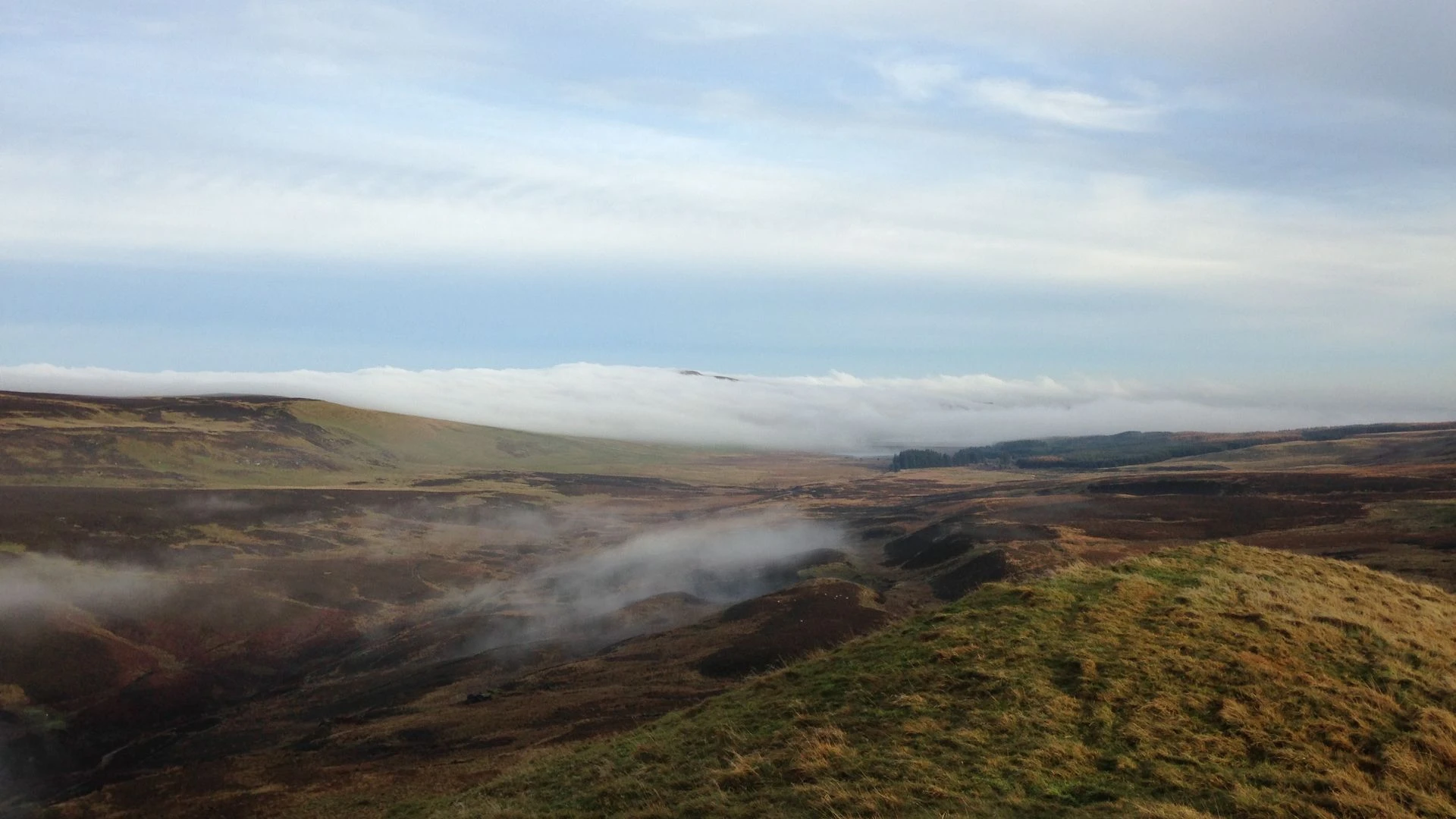
Iceland and Scotland are both sold as dramatic northern landscape destinations, and both deliver on the promise — but in different ways and at very different price points. Iceland's landscapes are alien: glaciers, geysers, volcanic plains, and waterfalls that fall from cliff edges with no visible source. Scotland's landscapes are more classically sublime: heather moorlands, misty lochs, castle ruins above cloudy passes. Iceland is about the earth's geological processes, visible and active. Scotland is about human history in an unforgiving landscape. Neither is better. They require different budgets.
Planning this trip?
Find flights now
Compare prices across 700+ airlines and OTAs in one search — find the real lowest fare without the inflated middleman markup.
Search flightsNeed a place to stay?
Search hotels
Landscapes: Iceland for Drama, Scotland for Character
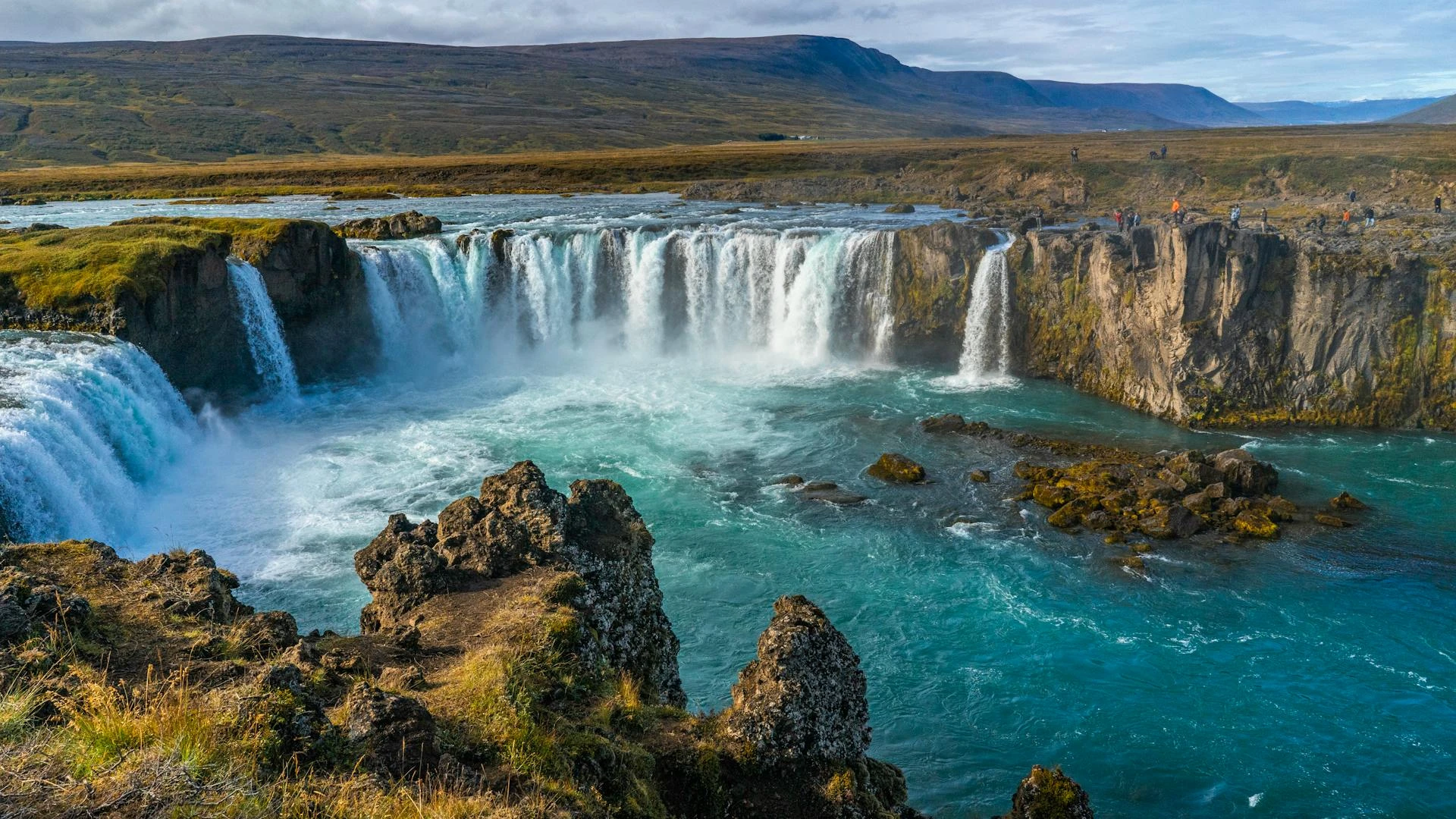
Iceland's Ring Road is one of the world's great drives. The route covers: Þingvellir (where the American and Eurasian tectonic plates are visibly separating), Geysir (the original geyser, active every 5–10 minutes), Gullfoss waterfall (one of Europe's largest), Skaftafell glacier, Jökulsárlón glacier lagoon (floating icebergs in a tidal lake), and the Snæfellsnes peninsula. No other country on earth offers this geological concentration in a driveable route. Scotland's highlands are dramatically beautiful but conventionally so — mountains, lochs, and glens that remind viewers of landscape paintings rather than geology textbooks. The Isle of Skye's Quiraing and the Cuillin Ridge are genuinely exceptional. Glencoe's dark valley and the Three Sisters are as atmospheric as any landscape in Europe. But Scotland's landscapes are earthly in a way Iceland's are not. **Verdict:** Iceland's landscapes are geologically unique and have no European equivalent. Scotland is sublimely beautiful by normal European standards.
Cost: Scotland Is 2–3x Cheaper
Iceland is one of Europe's most expensive countries. The combination of remote location, import costs, geothermal energy pricing, and tourism infrastructure built to recoup high development costs makes everyday expenses genuinely high. **Iceland typical daily costs (2026):** Accommodation: €150–280 (mid-range guesthouse/hotel) Food: €40–70 (restaurant meals; grocery stores significantly cheaper) Petrol: high by European standards, especially on the Ring Road Activities: €20–80 per activity (glacier hikes, snorkelling, aurora tours) **Scotland typical daily costs (2026):** Accommodation: £60–120 (mid-range B&B/hotel) Food: £20–40 (pub meals and local restaurants) Petrol: standard UK prices Activities: £10–40 (entry fees, distillery tours) For a 7-day driving trip, Iceland typically costs £1,500–2,500 per person. Scotland: £700–1,200 per person. **Verdict:** Scotland offers comparable adventure at significantly lower cost. Iceland requires deliberate budget planning.
Northern Lights: Iceland Has the Advantage
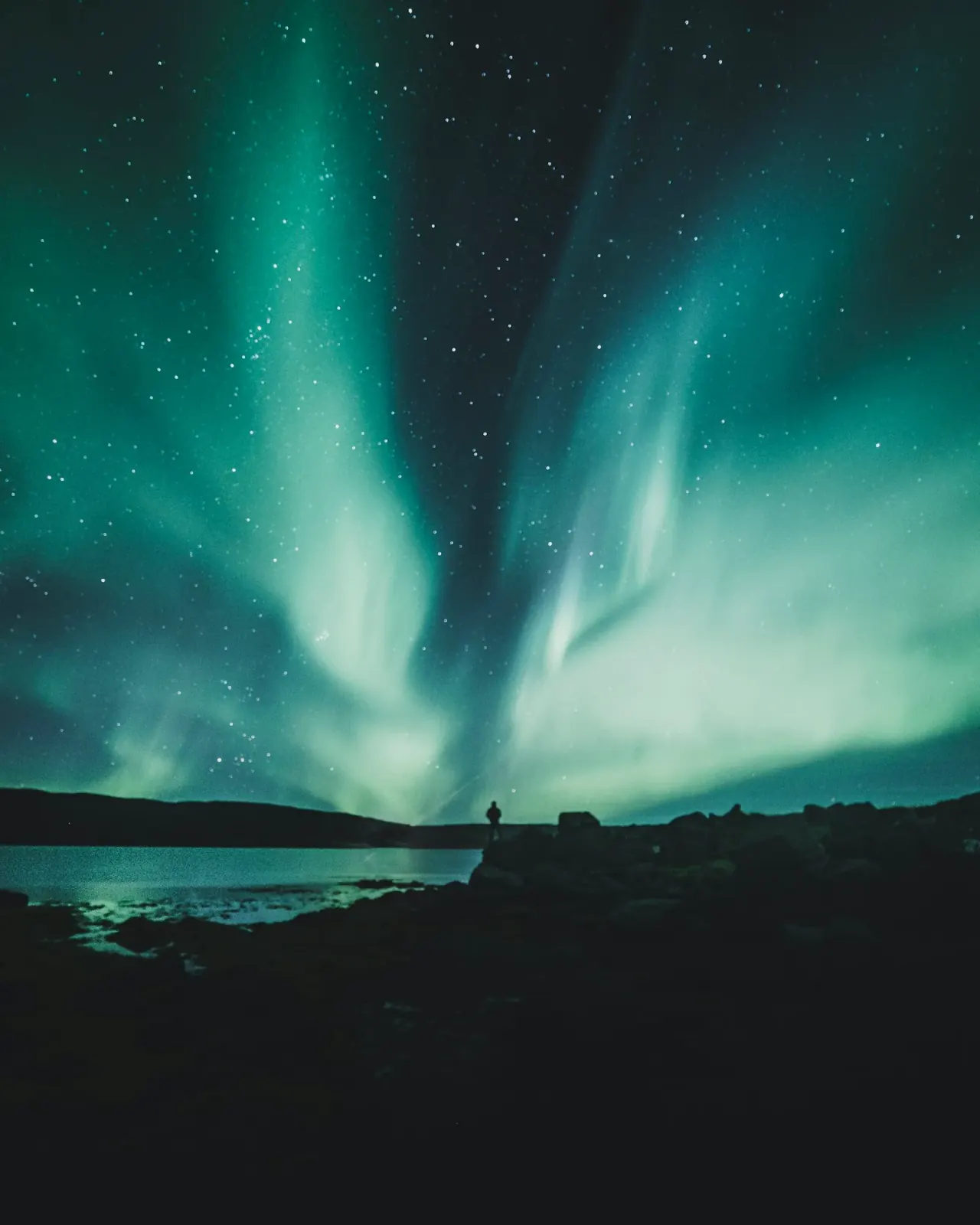
Both countries offer northern lights viewing, but Iceland's infrastructure and latitude give it an advantage. Iceland: latitude 64–66°N, dark skies across most of the country October–March, dedicated wake-up services at many hotels, and purpose-built dark-sky viewing platforms. The combination of clear forecasting apps (vedur.is), hotel aurora alerts, and geothermal outdoor hot pools creates an aurora-viewing experience that is hard to replicate. Scotland: northern lights are possible from September–March, particularly from the Highlands and islands (Orkney, Shetland, Isle of Skye). The Scottish aurora is real — but cloud cover is higher than Iceland, and the tourist infrastructure around aurora viewing is less developed. **Verdict:** Iceland for aurora seekers. Scotland for aurora as a bonus rather than a primary motivation.
Culture and History: Scotland Wins
Iceland's historical culture is focused on the Saga period (9th–13th century) — the Norse settlement of the island, the Althing (world's first parliament), and the sagas of the Viking age. These are genuinely interesting but require engagement with a specific historical period. Scotland's historical layers are richer and more accessible to the non-specialist. Edinburgh Castle, the Battle of Culloden (1746), the Jacobite uprisings, the Highland Clearances, the Scottish Enlightenment, and the whisky distillery culture that has spread globally — all contribute to a historical narrative with more entry points for international visitors. Walking culture: Scotland's Land Reform Act (2003) permits wild camping almost anywhere and creates one of Europe's most progressive outdoor access frameworks. The West Highland Way, the Southern Upland Way, and the Cape Wrath Trail are internationally recognised long-distance routes. Iceland's highland trails are remarkable but shorter. **Verdict:** Scotland has deeper, more accessible cultural and historical layers. Iceland's culture is more specialised.
The Decision: Iceland vs Scotland
**Choose Iceland if:** - The geological landscape (geysers, glaciers, volcanic plains) is your primary motivation - Seeing the northern lights is a key goal - Budget is not the primary constraint - You want the most unique landscape experience available in Europe **Choose Scotland if:** - Budget matters (Scotland is 2–3x cheaper) - Walking, whisky, and Highland culture interest you - You want to combine dramatic landscape with accessible historical depth - You prefer a destination with more diverse activities (cities + highlands + islands) **For a first northern adventure:** Scotland. It is more accessible, cheaper, and has more variety. Iceland should be the dedicated second trip when the budget and motivation for its specific landscape experience are both in place.
Iceland vs Scotland: how to actually make the decision
Iceland and Scotland are both marketed heavily as 'dramatic landscapes' destinations, and they genuinely are — but the experience of travelling in each is quite different in practice. **The case for Iceland.** Iceland's landscape is genuinely unlike anything else accessible to most international travellers. The combination of active volcanoes, geothermal areas, glaciers, black sand beaches, and summer midnight sun creates a visual experience that has no close parallel. The Ring Road (Route 1) is the best self-drive itinerary in the Northern Hemisphere for sheer landscape variety per kilometre. Iceland is also exceptionally safe and logistically simple — the signage is excellent, the roads are paved and well-maintained, and the infrastructure for independent travel has been heavily developed since 2010. **The case for Scotland.** Scotland's advantage over Iceland is depth — historical, cultural, and landscape depth that rewards return visits in a way that Iceland, for all its drama, does not always replicate. The Highlands have the ruins, the whisky distilleries, the mythology, and the clan history. Edinburgh has a exceptional arts scene that peaks during the August Festival. The Isle of Skye, the Outer Hebrides, and the north coast (NC500) offer landscape that genuinely competes with Iceland in drama while adding human history. Scotland is also notably cheaper than Iceland, which has become a genuinely expensive destination even for Western European and American travellers. **The verdict.** For landscape drama and photographic impact on a single trip: Iceland. For a trip that combines landscape with history, culture, food, and better value: Scotland. The two are not in direct competition — they answer different travel questions.
Combining Iceland and Scotland in one trip
Because the two countries are close by air and complement each other, some travellers combine them, and a sensible plan starts with time. Ten days is about the minimum that lets both feel like more than a sampler, split roughly evenly. Begin with Scotland if you want to ease into the trip: a few days in Edinburgh, then a drive or rail journey into the Highlands and, if time allows, the islands, keeping in mind that distances are longer than they look on the map and single-track roads slow driving. Then fly to Reykjavik and spend the second half on Iceland's south coast and its waterfalls, glaciers and black-sand beaches, with a rental car or a small-group tour. Check current flight schedules and baggage rules before you book, since direct services between the two countries can change by season, and consider booking the two legs as separate trips if fares are cheaper that way. Weather is the main risk in both places, so keep a spare day in each half. If your budget is tight, remember that Iceland is the more expensive of the two, so you may want to spend more days in Scotland. Choose the season with care: summer offers long daylight in both, while the northern lights are a winter draw and require dark, clear skies. A combined trip works best for travellers who enjoy driving and changeable weather and who do not mind moving between two very different landscapes.
Frequently asked questions
They offer different kinds of adventure. Iceland's outdoor experiences are more dramatic and alien — geothermal pools, glacier hikes, active volcanoes, lava fields, and the midnight sun. The terrain is stark; you're often hiking through moonscapes rather than pastoral landscapes. Scotland's outdoors are more varied and accessible: Munro bagging in the Cairngorms, sea kayaking around Skye, the West Highland Way long-distance trail, and wild camping anywhere you can pitch a tent (legal in Scotland). Iceland delivers singular spectacles; Scotland rewards sustained exploration over multiple visits.
Iceland and Scotland are both genuinely extraordinary destinations, and the comparison is more honest than most head-to-heads because both countries deliver on their specific promises. Iceland's landscapes are alien and unforgettable. Scotland's combination of Highland drama, historical depth, and accessible infrastructure makes it one of Europe's most complete adventure destinations. The budget difference is real and meaningful. Visit Scotland first — it is extraordinary and will not disappoint. Visit Iceland when you are specifically ready for the geological experience it offers.
Get there
Flights
One search across 700+ airlines — find the real lowest fare for your dates.
Search flightsWhere to stay
Hotels
Browse verified hotels and stays — instant confirmation, secure booking.
Book on KKdayThings to do
Activities
Tours, attractions, and day trips — free cancellation on most experiences.
Book on KlookTours & Experiences
Book the experiences, not just the trip
Skip-the-line tickets, guided tours, and day trips — free cancellation on most, confirmed instantly.
About the author
Camille Laurent
Senior Travel Editor · Based in Lisbon · Bali
Camille has spent the last 9 years living in or reporting from over 60 countries. Former contributor to Condé Nast Traveler and Monocle, she focuses on Southeast Asia, Mediterranean Europe, and the Middle East. Currently based between Lisbon and Bali.
More from The Edit
Itineraries
7 Days in Iceland: The Ring Road and Beyond
Iceland is one of those destinations where the photograph doesn't exaggerate. The waterfalls are actually that colour. The lava fields are actually that vast. The northern lights are actually that unpredictable. Here is the week that gives you all of it.
14 min read
Itineraries
7 Days in Scotland: The Honest Itinerary (Highlands, Islands, and What the Photos Don't Show)
Scotland's Highland landscape is among the most dramatic in Europe, and the country is small enough to cover significant ground in a week. The photographs are accurate — the mountains, the lochs, the castle ruins above the clouds. What they don't show is the midges, the weather variability, or how to sequence a route that doesn't waste three days driving.
13 min read
Hotel Picks
Best Boutique Hotels in Iceland Under €400 a Night
Iceland's hotel market is expensive and the mid-range mostly disappoints. The boutique properties that are actually worth the money are spread between Reykjavik's growing design scene and a handful of rural lodges that earn their remoteness.
10 min read