Africa Safari Guide — How to Plan Your First Safari in 2026
I've done seven safaris across four countries, from a $45/night camping trip in Kruger to a $2,200/night fly-in in the Okavango Delta. Here's what actually matters — and what the glossy brochures won't tell you.
There's a moment on every first safari — usually around day two — when the Land Cruiser stops, the engine cuts, and you hear nothing but wind through dry grass and the distant rumble of a buffalo herd. That's when it hits you: this is not a zoo with a bigger enclosure. The animals are not performing. The lion sleeping under that acacia genuinely does not care that you exist. I remember my first time in the Serengeti, white-knuckling a pair of borrowed binoculars, watching a cheetah stalk a Thomson's gazelle across an open plain for forty-five minutes. No narration, no schedule, no guarantee of anything. The cheetah missed. The gazelle lived. And I sat there, heart pounding, thinking: why did nobody tell me safaris were this intense? Nobody told me because most safari content is written by luxury tour operators or travel influencers on comped trips. The pricing is vague. The trade-offs are invisible. The practical logistics — visas, vaccines, what happens when you actually need a toilet at 6 AM in the bush — are glossed over in favour of golden-hour photography. This guide is different. I've done seven safaris across four African countries over six years, spending my own money every time. I've slept in a $45/night tent in Kruger where hyenas circled the fence at midnight, and I've stayed in a $2,200/night fly-in lodge in the Okavango Delta where the sundowner cocktails came with a personal chef. Both were extraordinary, for entirely different reasons. What follows is everything I wish someone had told me before my first trip: honest costs, real trade-offs, country-by-country breakdowns, and the stuff the brochures always leave out. Whether your budget is $150/day or $1,500/day, an African safari is among the transformative travel experiences on earth — but only if you plan it right.
Planning this trip?
Find flights now
Compare prices across 700+ airlines and OTAs in one search — find the real lowest fare without the inflated middleman markup.
Search flightsNeed a place to stay?
Search hotels
Safari Myths vs. Reality: What Nobody Tells First-Timers
Let me dismantle a few myths that cost first-time safari travellers money, time, and disappointment. **Myth: You need two weeks and $10,000 minimum.** Reality: A five-day self-drive safari in South Africa's Kruger National Park costs $750–1,200 total for two people including car rental, fuel, park fees, and rest camp accommodation. I've done it. The Big Five are all there. **Myth: You'll see everything in the first game drive.** Reality: My best Kruger trip required four game drives before I saw a leopard. My worst day in the Serengeti — eight hours of driving — produced exactly two zebras and a distant elephant. Wildlife doesn't follow your schedule. The travellers who enjoy safaris most are the ones who genuinely appreciate the anticipation, the landscape, the silence between sightings. **Myth: Safari is just sitting in a vehicle.** Reality: Depending on the park and your budget, you can do walking safaris with armed rangers (from $30/person in South Africa, $150+ in Tanzania), canoe safaris on the Zambezi, hot air balloon rides over the Mara ($450–550/person), horseback safaris, and night drives with spotlights. Sitting in a vehicle is the baseline, not the ceiling. **Myth: Luxury lodges guarantee better sightings.** Reality: The $2,200/night lodge and the $45/night campsite are in the same park, looking at the same animals. What you're paying for at the high end is the bed, the food, the service, the exclusivity (fewer vehicles at sightings), and the guiding quality. But I've had my single best leopard sighting — a female carrying a kill up a tree at sunset — from my own rental car in Kruger, not from a guided game viewer. **Myth: Africa is dangerous for tourists.** Reality: Safari areas are among the safest travel destinations on the continent. Tourism is the primary income source for most of these communities, and your safety is their livelihood. Standard travel precautions apply — don't flash expensive gear in cities, lock your car, follow your guide's instructions around wildlife — but the bush itself is far safer than the statistics-free anxiety suggests. I've travelled solo as a woman in Tanzania, Kenya, and South Africa without a single security incident.
Editor's tips
- Manage expectations: even the best guides can't guarantee specific sightings. The Serengeti delivers roughly 90% of the Big Five over a 4-day trip, but that last 10% is always up to the animals.
- Early morning drives (6:00–9:30 AM) and late afternoon drives (3:30–6:30 PM) produce 80% of the best sightings — animals rest during midday heat, and so should you.
- Bring a field guide app like Merlin Bird ID or the Sasol eBirds app — identifying the 'minor' species between big sightings changes dead time into discovery.
Tanzania: The Serengeti, Ngorongoro, and the Great Migration
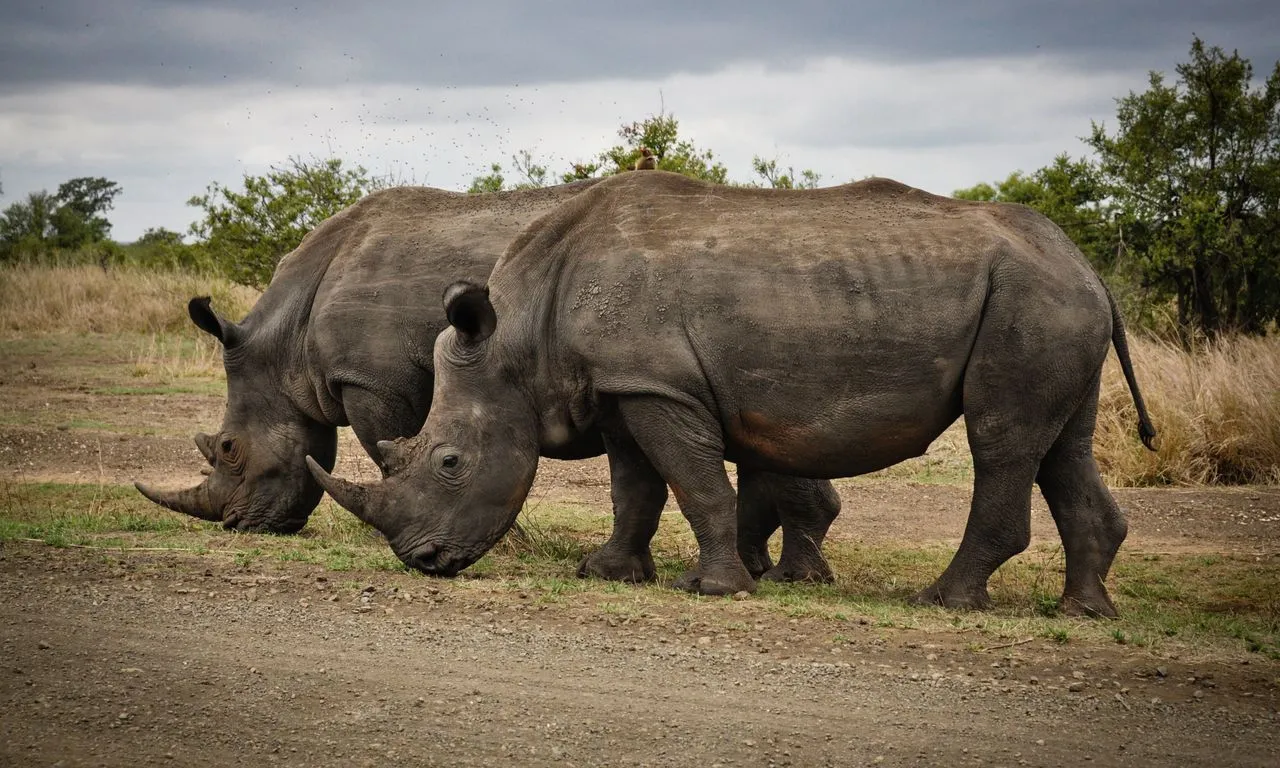
Tanzania is the heavyweight champion of East African safaris, and the Serengeti is the reason. At 14,763 square kilometres — roughly the size of Connecticut — it hosts the largest terrestrial wildlife migration on earth: over 1.5 million wildebeest, 400,000 zebras, and 300,000 Thomson's gazelles moving in a continuous clockwise loop following the rains. The Great Migration's most dramatic phase happens between July and October, when the herds cross the Mara River in the northern Serengeti. River crossings are chaos incarnate — hundreds of wildebeest plunging into crocodile-infested water, scrambling up mud banks, some making it, some not. It is violent, primal, and utterly unforgettable. I watched a crossing in September 2024 that lasted forty minutes. I stopped counting wildebeest at three hundred. But the Serengeti is extraordinary year-round. The southern plains host calving season (January–March), when roughly 8,000 wildebeest are born daily and predators are at their most active. The central Serengeti is excellent for resident wildlife — lions, leopards, elephants, giraffes — from June through October. **Ngorongoro Crater** is a separate highlight entirely. This collapsed volcanic caldera — 19 kilometres across, 600 metres deep — functions as a natural amphitheatre containing roughly 25,000 large animals. You'll descend into the crater at dawn and spend six to eight hours driving the floor. The density of wildlife is staggering: on my last visit, I saw black rhino, lion, elephant, buffalo, and hyena before 10 AM. Crater entry fees are $70.80/person as of 2026, plus $295/vehicle — expensive, but the concentration of wildlife makes it efficient for short itineraries. **Costs for Tanzania:** Park fees alone run $70.80/person/day for the Serengeti (non-resident adult), plus vehicle and guide fees. A mid-range 5-day Serengeti + Ngorongoro safari with a reputable local operator runs $2,500–3,500/person sharing. Budget camping safaris start around $250–300/person/day. Luxury mobile camps during migration season hit $800–1,500/person/day. **The trade-off:** Tanzania is not cheap, and independent travel is more complex than South Africa. Most visitors use organised safari operators because self-driving in northern Tanzania requires a serious 4x4, bush navigation skills, and comfort with unpaved roads that become impassable in rain. The payoff is access to arguably the greatest wildlife spectacle on the planet.
Editor's tips
- Book migration-season safaris 6–12 months ahead — the best camps sell out, and last-minute options are either budget or extortionate.
- Consider the southern Serengeti in February for calving season: fewer tourists, lower prices, and baby wildebeest everywhere.
- Fly into Seronera airstrip instead of driving from Arusha — the 8-hour road transfer saves a full day each way.
Kenya: Masai Mara, Amboseli, and the Migration's Northern Stage
Kenya is Tanzania's complement, not its competitor. The two countries share the Serengeti–Mara ecosystem, and the Great Migration crosses into Kenya's Masai Mara National Reserve between July and November. The Mara's advantage is accessibility: it's a 45-minute flight or a 5-hour drive from Nairobi, compared to the Serengeti's remote northern reaches. The Mara is smaller than the Serengeti — 1,510 square kilometres versus 14,763 — which concentrates the wildlife and makes sightings more consistent. Lion density in the Mara is among the highest in Africa. If seeing a pride of lions hunting is on your list, the Mara is your best statistical bet. The reserve is also home to the famous Marsh Pride, documented by BBC's Big Cat Diary for decades. Conservancy fees in the Mara's private conservancies (Olare Motorogi, Naboisho, Mara North) run $100–170/person/day on top of accommodation. These conservancies limit vehicle numbers, allow off-road driving and night drives (both banned in the national reserve), and offer walking safaris. The trade-off: staying in a conservancy costs more than the public reserve, but the experience is markedly better — fewer minibuses crowding sightings, more flexibility, better-trained guides. **Amboseli National Park** is Kenya's other signature destination, and it delivers the most photographed view in African wildlife: elephants with Mount Kilimanjaro's snow-capped peak rising behind them. The park is relatively small (392 square kilometres) and flat, making it excellent for first-time safari-goers. Amboseli's elephant herds are unusually habituated to vehicles, allowing close approaches that are impossible in most other parks. A 2-day Amboseli add-on from Nairobi costs $400–600/person at mid-range lodges. Kenya's safari costs sit between Tanzania and South Africa. A 4-day Masai Mara safari with a mid-range operator runs $1,800–2,800/person. Budget camping safaris start at $200–280/person/day. The luxury tier — private conservancy tented camps like Angama Mara or Sala's Camp — runs $700–1,400/person/night all-inclusive. **The honest trade-off:** The Mara's public reserve can feel overcrowded during peak migration season (August–September), with a dozen minibuses jostling for position at a river crossing. The private conservancies solve this but at a premium. Kenya also has a reputation issue with aggressive touts and unlicensed operators in Nairobi — vet your operator thoroughly and never book from someone who approaches you at the airport.
Editor's tips
- Stay in a private conservancy (Olare Motorogi or Naboisho) for a dramatically better experience than the public Mara reserve — the extra $100–170/day is the single best upgrade you can make.
- Combine Mara + Amboseli for a 6-day trip that covers both open savanna and Kilimanjaro views — two very different safari landscapes.
- Visit in October for late migration and significantly fewer tourists than the August peak.
South Africa: Kruger Self-Drive and Private Reserves
South Africa is the most accessible, most affordable, and most independent-travel-friendly safari destination in Africa. And the centrepiece is Kruger National Park. Kruger is massive — 19,485 square kilometres, roughly the size of Israel — and it has infrastructure that no other African park can match. Paved roads. Petrol stations inside the park. Rest camps with restaurants, shops, swimming pools, and laundromats. You can rent a car in Johannesburg, drive four hours to Kruger's Phalaborwa or Orpen gate, and be on a self-drive game drive by lunchtime. No guide required. No tour operator needed. Just you, a road map, and a pair of binoculars. **The cost is remarkable.** Park entry fees are R480/person/day ($26) for international visitors. Rest camp accommodation — basic but clean rondavels and safari tents — runs R1,200–2,500/night ($65–135) for two people. A rental car with basic insurance costs $30–40/day from Johannesburg. Total cost for a 5-day self-drive Kruger safari: $750–1,200 for two people, all-in. That's $150–240/person/day for a Big Five national park. No other destination on this list comes close. I've done Kruger self-drive three times, and my hit rate is excellent: leopard on two of three trips, lions every time, elephants constantly, buffalo herds daily, and white rhino on every visit. Black rhino is the hardest — I've seen one once in three trips. The Satara–Orpen area is best for predators; Lower Sabie for general game density; Pafuri in the far north for birding and fewer crowds. **Private reserves** bordering Kruger — Sabi Sands, Timbavati, Manyeleti, Klaserie — offer a fundamentally different experience. The fences between these reserves and Kruger were removed decades ago, so the wildlife moves freely. What you gain: expert trackers, open-topped vehicles that get you closer, off-road driving that follows animals into the bush, walking safaris, night drives, and 2:1 or 3:1 guest-to-guide ratios. What you pay: $500–2,500/person/night at places like Londolozi, Singita, or MalaMala. Sabi Sands is the leopard capital of Africa — the density of habituated leopards here is unmatched anywhere on the continent. If photographing leopards at close range is a priority, Sabi Sands is where you go. A 3-night Sabi Sands stay at a mid-range lodge like Notten's Bush Camp runs $500–700/person/night all-inclusive. **The trade-off:** Kruger self-drive gives you freedom and affordability but requires patience and a willingness to accept that some drives will produce very little. The private reserves virtually guarantee Big Five sightings within 48 hours, but at five to twenty times the cost. Both are legitimate safari experiences. Neither is objectively better.
Editor's tips
- Book Kruger rest camps on SANParks.org exactly 11 months ahead — popular camps like Satara and Lower Sabie sell out fast during South African school holidays (June–July, December).
- Download the Latest Sightings app — Kruger visitors share real-time animal locations, and it's the single most useful tool for self-drive game viewing.
- The S100 gravel road between Satara and Orpen is Kruger's best predator road — drive it slowly (20 km/h max) at dawn and you'll find lions.
Botswana and the Okavango Delta: The Premium Experience
Botswana is the Ferrari of African safaris — dramatic, exclusive, and priced accordingly. The country made a deliberate policy decision decades ago: low volume, high value. Instead of mass tourism, Botswana limits visitor numbers through high park fees ($50/person/day in most reserves) and concession-based lodge systems where a single operator controls thousands of square kilometres. The result is extraordinary. In the Okavango Delta, you'll share a 2,000-square-kilometre concession with maybe twenty other guests. Game drives feel private. Walking safaris feel genuinely wild. And the landscape — a vast inland delta flooding into the Kalahari Desert — is unlike anything else on the continent. The Delta is best experienced by mokoro (traditional dugout canoe), gliding through papyrus channels while elephants wade alongside and hippos surface twenty metres away. A mokoro excursion costs $50–80/person from Maun as a day trip, or is included at most delta lodges. For the full experience, fly-in camps like Mombo, Jao, and Vumbura Plains run $1,200–2,500/person/night all-inclusive — among the most expensive safari lodges in Africa. Botswana's other highlight is **Chobe National Park**, in the northeast. Chobe has the highest elephant density in Africa — estimated at 120,000 elephants — and a boat safari on the Chobe River at sunset, surrounded by herds of hundreds, is among the magical experiences in African travel. Chobe is also the most accessible part of Botswana: a day trip from Victoria Falls (Zambia/Zimbabwe) costs $150–200 including transfers, park fees, and a game drive + boat cruise. **The Makgadikgadi Pans** offer something completely different: vast salt flats that flood seasonally, attracting flamingos, zebra migrations, and meerkats. The surreal, flat-white landscape looks more like Bolivia's Salar de Uyuni than a typical safari setting. Jack's Camp and San Camp on the pans run $1,100–1,800/person/night. **Budget Botswana is possible, barely.** Self-drive camping in Moremi Game Reserve and Chobe costs $200–350/person/day with a rented 4x4, camping equipment, and park fees. But the roads are rough (deep sand, river crossings), the logistics are complex, and you need genuine bush camping experience. This is not a beginner's self-drive. For most first-timers, Botswana means either a Chobe day trip from Vic Falls (affordable) or a fly-in delta experience (expensive, worth every rand).
Editor's tips
- The sweet spot for Botswana is a 3-night Okavango Delta fly-in + 2-night Chobe — total cost $4,000–7,000/person but covers the delta and the elephants.
- Green season (November–March) drops prices by 30–40% and adds dramatic skies, green landscapes, and migratory birds — trade-off is higher temperatures and some roads may close.
- The Chobe day trip from Victoria Falls is the most affordable way to experience Botswana — book through a Vic Falls operator, not a Botswana-side agent, for better rates.
Uganda and Rwanda: Gorilla Trekking That Changes You
Gorilla trekking is not a safari in the traditional sense. There are no open vehicles, no savannas, no golden-hour photography from a raised game viewer. You hike through dense, wet, steep montane forest — sometimes for one hour, sometimes for six — following a tracker who follows the gorillas. When you find them, you sit on the forest floor, breathing hard from the climb, and watch a family of mountain gorillas eat, play, groom, and largely ignore you from a distance of seven metres. I've done a lot of wildlife experiences. Gorilla trekking in Uganda's Bwindi Impenetrable Forest is the one that made me cry. There are approximately 1,063 mountain gorillas left in the wild, split between Uganda's Bwindi Impenetrable National Park, Uganda's Mgahinga Gorilla National Park, and Rwanda's Volcanoes National Park. Only a limited number of trekking permits are issued daily — eight visitors per gorilla family, one hour with the gorillas — making this among the controlled wildlife encounters on earth. **Uganda permits cost $700/person.** Rwanda permits cost $1,500/person. The gorillas are the same species, in the same Virunga mountain range. The Rwanda experience is typically a shorter, easier hike (the terrain is slightly less rugged), with more polished infrastructure and luxury lodges nearby. The Uganda experience involves a harder hike through denser forest, more basic accommodation options, but permits at less than half the price. My recommendation for first-timers: **Uganda.** The $800 saving per person ($1,600 for a couple) is substantial, the gorilla experience is identical in emotional impact, and Bwindi's forest is arguably more atmospheric — ancient, tangled, and genuinely impenetrable-feeling. A 3-day gorilla trekking trip from Entebbe (Uganda) costs $1,500–2,500/person including the permit, accommodation, transfers, and meals. Add a chimpanzee trekking day in Kibale Forest ($200 permit + $150 logistics) for the full primate experience. Rwanda's equivalent 3-day trip from Kigali runs $2,500–4,000/person. **Can you combine gorilla trekking with a savanna safari?** Absolutely. Uganda's Queen Elizabeth National Park and Murchison Falls National Park offer classic safari experiences — lions, elephants, hippos, Nile crocodiles — at a fraction of East African prices. A 7-day Uganda itinerary covering Bwindi + Queen Elizabeth + Kibale costs $3,000–4,500/person and is one of the best-value wildlife trips in Africa.
Editor's tips
- Book gorilla permits through the Uganda Wildlife Authority (UWA) or Rwanda Development Board (RDB) directly — or through a licensed operator who handles the booking. Permits sell out 3–6 months ahead for peak season (June–September, December–February).
- Physical fitness matters: the Bwindi hike can involve 4–6 hours of steep, muddy terrain at 2,300+ metres altitude. Train with hill walks and bring proper hiking boots with ankle support.
- Hire a porter ($15–20) at the trailhead — they carry your pack, help you on steep sections, and are local community members who depend on trekking tourism income.
Budget Tiers: What $150, $400, and $1,000 Per Day Actually Gets You
Safari pricing is wildly opaque, so let me break it down into three honest tiers. All prices are per person per day, assuming double occupancy. **Budget tier: $150–250/day.** This is Kruger self-drive territory. You're renting a car ($15–20/person/day), paying park fees ($26/person/day), sleeping in SANParks rest camps ($33–68/person/night), buying groceries from the camp shop, and cooking on a braai (barbecue) under the stars. In East Africa, this tier means budget camping safaris with a local operator — you'll sleep in basic tents, eat simple but filling meals, and share a vehicle with 4–6 other travellers. Comfort level: think clean, safe, and functional, not luxurious. You'll use shared bathroom facilities. The vehicle may not have a pop-up roof. But the animals don't know what you paid, and the sunsets are the same. **Mid-range tier: $300–500/day.** This is where most first-time safari-goers land, and it's the sweet spot for value. In Tanzania and Kenya, this buys you a private or semi-private vehicle (shared with your travel partner only), a professional guide, comfortable lodge or tented camp accommodation with en-suite bathrooms, full-board meals, and park fees included. In South Africa, this gets you into a solid private reserve experience — perhaps not Singita or MalaMala, but lodges like Notten's Bush Camp, Umkumbe, or Tintswalo that deliver excellent guiding, open vehicles, and Big Five sightings at a fraction of the premium price. **Luxury tier: $600–1,500+/day.** At this level, everything is included and everything is exceptional: fly-in transfers by bush plane, private guide and tracker team, open 4x4 with camera mounts and charging ports, gourmet meals with wine pairings, spa treatments, plunge pools overlooking waterholes, walking safaris with armed rangers, and concession exclusivity that means you might see zero other vehicles all day. The top end — Singita in Tanzania ($3,000+/night), &Beyond Ngorongoro Crater Lodge ($2,800/night), Mombo Camp in the Okavango ($2,500/night) — is genuinely exceptional hospitality in settings that redefine the word 'remote.' **My honest advice:** If this is your first safari and you're not sure you'll love it, start at the budget tier in Kruger. If you already know you love wildlife and want the best experience your money can buy, the mid-range tier in a Mara conservancy or a Sabi Sands lodge offers the highest quality-to-cost ratio. The luxury tier is for celebrations, honeymoons, or people for whom money is not the primary constraint — it's magnificent, but it's not necessary for an extraordinary safari experience.
Editor's tips
- The single best value in African safaris is a Kruger self-drive ($150/day) combined with 2–3 nights at a mid-range Sabi Sands lodge ($500–700/night) — budget and premium in one trip.
- Group departures (4–6 travellers sharing a vehicle) save 20–30% on East African safaris — the guides are the same, the wildlife is the same, and you gain travel companions.
- All-inclusive pricing at lodges usually covers meals, drinks, game drives, park fees, and laundry — compare total cost, not just the nightly rate.
What to Pack: Clothing, Camera Gear, and the Stuff You'll Forget
Safari packing is an exercise in restraint. Most bush planes enforce a 15–20 kg luggage limit in a soft-sided bag (no hard suitcases), and even if you're self-driving, overpacking means fumbling through a bloated bag in a tiny rest camp rondavel. **Clothing: neutral colours only.** Khaki, olive, tan, grey, brown. Not black (attracts tsetse flies), not white (gets filthy immediately, reflects sun into animal eyes), not blue (also attracts tsetse flies in some regions), and absolutely not camouflage (illegal to wear in several African countries, including Kenya and Zimbabwe — it's reserved for military). You need less than you think: three shirts, two pairs of trousers (zip-off legs are genuinely useful), one fleece or light down jacket (mornings in open vehicles at altitude are cold — 5–10°C in the Ngorongoro Crater at dawn), a sun hat with a chin strap (wind in open vehicles), and a buff or scarf for dust. **Footwear:** Closed-toe shoes for game drives (not sandals — thorns, scorpions, fuel stops on gravel). Proper hiking boots with ankle support for gorilla trekking or walking safaris. Sandals for camp. That's three pairs maximum. **Camera gear:** This is where people over-invest and under-prepare. A 100–400mm zoom lens covers 90% of safari photography. A 70–200mm f/2.8 is ideal for low light at dawn and dusk. Your phone camera is genuinely useless beyond about 50 metres — if you care about wildlife photography, you need a real lens. Rent if you don't want to buy: LensRentals ships a Canon RF 100–500mm for about $150/week. Bring more memory cards and batteries than you think you'll need. I shoot 800–1,500 photos per game drive. A beanbag ($15–25, or stuff a pillowcase with rice at camp) stabilises your lens on the vehicle door frame far better than a tripod, which is useless in a vehicle anyway. **The stuff you'll forget:** Binoculars (8x42 or 10x42 — buy a decent pair, Nikon Monarch 7 at $300 or Vortex Diamondback at $200, they changes the experience). A headlamp for pre-dawn walks to the vehicle. Lip balm with SPF (the bush air is dry and the sun is relentless). A power bank (minimum 20,000 mAh). Ziplock bags for dust protection. Sunscreen SPF 50 — you will burn on a 6-hour game drive even under a canvas roof. **One thing not to bring:** Drone. They're banned in virtually every national park and private reserve in Africa. Leave it at home.
Editor's tips
- Pack everything in a soft duffel — hard suitcases are banned on bush planes and don't fit in Land Cruiser luggage racks. The Osprey Transporter 65L ($130) is the safari standard.
- Wear the same outfit multiple days — nobody cares, laundry is included at most lodges, and you'll be covered in dust by 9 AM anyway.
- Charge everything overnight, every night. Power availability at budget camps can be limited to certain hours — ask at check-in.
Health, Vaccines, and Insurance: The Non-Negotiables
This section isn't glamorous, but it might be the most important one in this guide. Getting the health logistics wrong can ruin your trip or, in rare but real cases, endanger your life. **Yellow fever vaccination** is required for entry into Tanzania, Kenya, Uganda, and Rwanda if you're arriving from (or transiting through) a yellow fever–endemic country. Even if it's not technically required for your routing, some border officials enforce it unpredictably. Get the jab. It's a single shot, valid for life (since 2016 WHO guidelines), costs $150–300 at a travel clinic, and eliminates the risk of being denied entry. Carry the yellow International Certificate of Vaccination (the yellow card) with your passport. **Malaria prophylaxis is non-negotiable** for virtually all safari destinations in sub-Saharan Africa. The Serengeti, the Mara, Kruger, Chobe, and the Okavango Delta are all in malaria transmission zones. Your options: - **Malarone (atovaquone-proguanil):** Most popular for short trips. Start 1–2 days before, continue 7 days after. Fewest side effects. Cost: $5–12/tablet generic, $15+ brand name. A 2-week trip runs $70–170. - **Doxycycline:** Cheapest option at $0.50–2/tablet. Start 1–2 days before, continue 28 days after. Side effects: sun sensitivity (problematic on safari), potential stomach upset. Very effective. - **Mefloquine (Lariam):** Weekly dosing (convenient for long trips). Start 2–3 weeks before. Known for vivid dreams and, in some people, serious neuropsychiatric side effects. Discuss with your doctor — it's not for everyone. Beyond medication: sleep under a treated mosquito net (provided at virtually all safari accommodation), use DEET-based repellent (30–50% concentration) on exposed skin at dusk and dawn, and wear long sleeves and trousers in the evening. **Travel insurance with emergency medical evacuation coverage is essential.** Not optional. Not 'nice to have.' Essential. Many safari areas are hours from the nearest hospital. An emergency medical evacuation by air ambulance from the Serengeti to Nairobi costs $15,000–30,000. From the Okavango Delta to Maun, it's $5,000–10,000. A thorough travel insurance policy with $250,000+ medical and evacuation coverage costs $80–200 for a 2-week Africa trip. World Nomads, SafetyWing, and Battleface all cover safari activities. **Other health considerations:** Bring a basic first-aid kit (anti-diarrheal, rehydration salts, antihistamines, blister plasters, broad-spectrum antibiotic prescribed by your doctor). Drink only bottled or purified water. Street food in major cities (Nairobi, Dar es Salaam, Cape Town) is generally safe if visibly freshly cooked; street food in smaller towns requires more caution. Altitude sickness is relevant only for gorilla trekking (Bwindi sits at 2,300+ metres) — acclimatise for a day if you're flying in from sea level.
Editor's tips
- Visit a travel health clinic 6–8 weeks before departure — some vaccinations (hepatitis A/B, typhoid, rabies) require multiple doses over several weeks.
- Photograph your vaccination card, insurance policy, and prescription labels — store digital copies in your email and a cloud drive in case originals are lost.
- Carry your antimalarials in your carry-on luggage, never in checked bags. If your checked bag is delayed, you cannot miss a dose.
Booking Your Safari: Timeline, Red Flags, and Trusted Operators
The difference between a good safari and a bad one is almost always the operator. A skilled guide who knows animal behaviour, reads the bush, and positions the vehicle for the best light is worth more than any luxury lodge. A bad operator — overloaded vehicles, poorly maintained equipment, guides who drive too fast and too close — can turn the Serengeti into a frustrating minibus tour. **Booking timeline:** For peak season safaris (July–October in East Africa, June–September in Southern Africa), book 6–12 months ahead. Premium lodges and camps sell out a year in advance. For shoulder and green season travel (November–March in East Africa, October–April in Southern Africa), 3–6 months is sufficient, and you'll benefit from lower prices and fewer crowds. Gorilla permits require 3–6 months advance booking for peak season. **Red flags that indicate a bad operator:** - No fixed office or physical address — just a WhatsApp number and Instagram page. - Pricing dramatically below market rate (a $100/day Serengeti safari is cutting corners somewhere — probably vehicle maintenance, guide quality, or park fee compliance). - Resistance to providing references from recent clients. - No TALA (Tanzania Association of Tour Operators) or KATO (Kenya Association of Tour Operators) membership. - Vehicles without pop-up roofs, missing seatbelts, or visibly poor condition. - Guide who cannot identify common bird species or explain basic animal behaviour. **How to vet an operator:** 1. Check TripAdvisor and Google reviews — filter for reviews from the past 12 months, not lifetime averages. 2. Ask for the specific guide who will lead your safari. Good operators are willing to name their guides. 3. Request a detailed breakdown of what's included: park fees, meals, drinks, laundry, airport transfers, tips. 'All-inclusive' varies wildly between operators. 4. Verify the vehicle: ask for the make, model, and year. You want a Toyota Land Cruiser or Land Rover Defender, not a converted minivan. 5. Join safari forums on Reddit (r/safari) and the Fodor's Africa board — the community is knowledgeable and generous with operator recommendations. **Operators I've personally used and recommend:** Shadows of Africa (Tanzania, mid-range), Asilia Africa (Tanzania/Kenya, luxury), Nomad Tanzania (Tanzania, mid-range to luxury), Gamewatchers Safaris (Kenya, mid-range conservancy specialists), and Wild Frontiers (South Africa/Botswana, mid-range). For self-drive Kruger, book directly through SANParks.org — no operator needed. **Payment and safety:** Never pay 100% upfront to an operator you haven't vetted. A standard deposit structure is 30% at booking, 70% thirty to sixty days before travel. Pay by credit card if possible for chargeback protection. Bank transfers to unfamiliar accounts in foreign countries are a risk — legitimate operators understand this concern and offer secure payment options. **Solo travellers:** Most group safari departures welcome solo travellers and offer single supplement rates ($50–150/night extra to avoid sharing a room). Some operators — particularly for budget camping safaris — have specific solo departure dates with no single supplement. Ask.
Editor's tips
- The best guides are in high demand — if you find a guide you like based on reviews, book early and request them by name.
- Join the r/safari subreddit before booking — the community reviews operators regularly and flags scams quickly.
- Travel insurance should cover trip cancellation — operators' own cancellation policies are often non-refundable within 60 days of departure.
Frequently asked questions
The dry season — June through October in East Africa (Tanzania, Kenya, Uganda) and May through September in Southern Africa (South Africa, Botswana) — offers the best wildlife viewing. Animals concentrate around water sources, vegetation is thinner (easier to spot wildlife), and rain is minimal. However, green season (November–March in East Africa, October–April in Southern Africa) has real advantages: lower prices (30–40% cheaper), dramatic landscapes, migratory birds, and baby animals. For the Great Migration river crossings, target July through October in the northern Serengeti and Masai Mara specifically.
An African safari is not a holiday. It's an encounter with the planet at its most raw, its most beautiful, and its most indifferent to your plans. The wildebeest will cross the river or they won't. The leopard will appear or it won't. The sunrise over the Serengeti will look exactly like the photographs, and then it will look better, because no photograph has ever captured the silence, the scale, or the feeling of being a guest in a world that was never built for you. Start with Kruger if you want affordability and independence. Choose the Mara or the Serengeti if the Great Migration is calling. Save for Botswana if you want exclusivity. And go to Bwindi if you want the single most emotionally powerful wildlife experience on earth. Whatever your budget, whatever your timeline, plan it right, respect the bush, and let Africa do what it does best: remind you that the world is larger, wilder, and more extraordinary than your daily life would ever suggest. ⚠️ Health and vaccination requirements last verified August 2026. Requirements change — check the CDC Travel Health page (wwwnc.cdc.gov/travel) and your destination's embassy for the most current guidance before you book. Before booking, it's still worth checking the U.S. State Department's country-by-country advisories for wherever your safari lands.
Get there
Flights
One search across 700+ airlines — find the real lowest fare for your dates.
Search flightsWhere to stay
Hotels
Browse verified hotels and stays — instant confirmation, secure booking.
Book on KKdayThings to do
Activities
Tours, attractions, and day trips — free cancellation on most experiences.
Book on KlookTours & Experiences
Book the experiences, not just the trip
Skip-the-line tickets, guided tours, and day trips — free cancellation on most, confirmed instantly.
About the author
Camille Laurent
Senior Travel Editor · Based in Lisbon · Bali
Camille has spent the last 9 years living in or reporting from over 60 countries. Former contributor to Condé Nast Traveler and Monocle, she focuses on Southeast Asia, Mediterranean Europe, and the Middle East. Currently based between Lisbon and Bali.
Read next — destinations