

Travel Nurse Housing: Stipends, Apartments & Tips
Housing is the biggest variable in your travel nurse experience. Here's how to get it right.
Housing is the variable that makes or breaks the travel nurse experience — and it's the one most nurses underestimate before their first assignment. Your agency will offer you two options: take their arranged housing, or take a housing stipend and find your own. Both have merits and significant trade-offs. The wrong choice in the wrong city can turn a financially lucrative assignment into a stressful scramble, or worse, cost you more in rent than you're earning in stipend. This guide gives you the framework to make the right call, every time.
Planning this trip?
Find flights now
Compare prices across 700+ airlines and OTAs in one search — find the real lowest fare without the inflated middleman markup.
Search flightsNeed a place to stay?
Search hotels
Agency Housing vs. Taking the Stipend
The fundamental choice every travel nurse faces is whether to accept agency-arranged housing or receive a tax-free housing stipend and source accommodation independently. Agency housing is simple: the agency finds a furnished apartment near your facility, you move in on day one, and you pay nothing out of pocket. The downside is control — you don't choose the apartment, the neighbourhood, or the roommates (some agencies place multiple nurses in shared units). Quality ranges from excellent to genuinely poor. Taking the stipend gives you freedom and, in most cases, more money. The average housing stipend for an RN ranges from $1,500 in lower cost-of-living markets to $2,800–$3,500/month in cities like San Francisco, Seattle, or New York. If you can find a furnished one-bedroom for less than your stipend, the difference is yours to keep. In many markets, this means pocketing $300–$800/month in addition to your base pay. The risk: you're responsible for finding something before you arrive in a city you may never have visited. This requires lead time, research, and a level of comfort with uncertainty that not every nurse has on their first assignment.
Best Platforms for Finding Travel Nurse Housing
The short-term furnished rental market has multiple platforms serving different segments. Furnished Finder is purpose-built for travel nurses and is the best starting point. Landlords who list on Furnished Finder understand the 13-week contract cycle, the compliance documentation requirements, and the fact that you may not be able to inspect in person before signing. The platform also has a community verification system that weeds out scam listings more aggressively than general platforms. Airbnb and VRBO work for very short gaps or when you need somewhere immediately, but their pricing for month-long stays is typically 25–40% above market rate for equivalent accommodation. Some hosts will negotiate a monthly rate for 3-month stays — it's always worth asking. Facebook Groups — specifically 'Travel Nurse Housing' and city-specific travel nurse groups — are an underused resource. Nurses post sublets when their assignments end; landlords who have worked with travel nurses before post directly to these communities. Craigslist still produces results in many markets, particularly outside major cities, but requires more due diligence to avoid scams. Corporate housing providers like ExecuStay and National Corporate Housing cater to business travellers but will accommodate travel nurses — their rates are typically higher than independent landlords but the units are reliably furnished and well-maintained.
What to Look For in Travel Nurse Housing
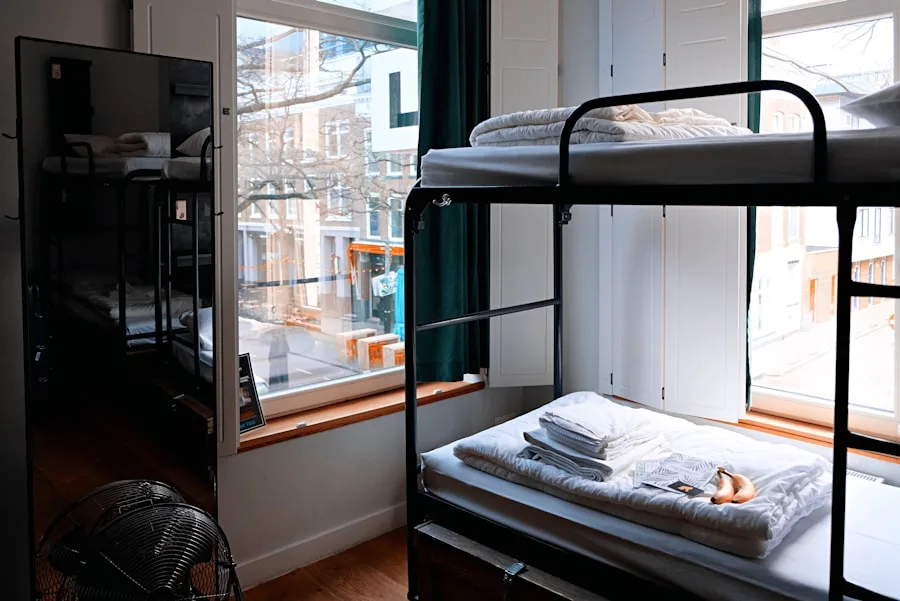
Not all furnished apartments are equally suitable for a 13-week nursing contract. Your priority list should consider: proximity to facility (your commute affects your sleep, your stress, and your expenses — aim for 20 minutes or less by car or public transit), lease flexibility (can you extend if your contract extends? Can you exit early with reasonable notice if your contract is cancelled?), included utilities (electricity and internet should be included — surprise utility bills can wipe out your stipend advantage), parking (if your facility doesn't have free nursing staff parking, you need to factor parking costs into your housing budget), and laundry access (in-unit washer/dryer is worth paying a premium for; laundromat trips on 12-hour shift days are exhausting). Furnishings to verify before signing: bed frame and mattress in the bedroom (not an air mattress), functioning kitchen with cooking basics, desk or workspace if you study for certifications between shifts, and reliable WiFi of at least 50 Mbps. Always video-call the landlord before signing anything. See the unit live via video, ask to see the bathroom and closet, and confirm the exact address so you can verify the neighbourhood on Google Maps Street View.
How the Tax-Free Stipend Works (and How to Keep It)
The tax-free status of housing and meal stipends is the cornerstone of travel nurse financial advantage — and it comes with compliance requirements that many nurses only partially understand. To legally receive non-taxable housing and meal stipends, you must maintain a legitimate tax home: a primary residence in another location where you have ongoing financial obligations (rent, mortgage, storage fees, utilities) and to which you intend to return. The IRS doesn't have a bright-line rule for what constitutes a valid tax home, but the general standard is: you should be able to demonstrate that maintaining your tax home costs you money — meaning you're truly duplicating living expenses by working away from home. If you sell your primary residence and travel full-time, your stipends become taxable income. Many travel nurses work with a travel nurse-specific tax professional (TravelTax.com and Trusted Healthcare Tax are well-regarded in the community) to structure their financial situation correctly. The cost of professional tax advice is almost always returned many times over in correctly structured stipend income. Track all your tax home expenses meticulously: rent payments, utility bills, storage receipts — everything that demonstrates your ongoing connection to your primary location.
Housing in High-Cost vs Low-Cost Assignment Cities
The housing calculus changes dramatically between assignment cities. In San Francisco, your $3,000/month stipend might cover a small studio in a reasonable neighbourhood if you start looking early — but prices move fast and the competition for short-term furnished rentals is intense. In a mid-size southern city like Birmingham or Baton Rouge, the same stipend might cover a comfortable one-bedroom with $800–$1,200 left over as profit. This geographic difference is one of the strongest arguments for strategic assignment selection: nurses who deliberately choose mid-cost assignments with high stipends can bank significantly more money than those who chase prestige assignments in high-cost cities. Research city-specific housing costs on Furnished Finder and Zillow before accepting an assignment — the difference between a $2,200 stipend in a city where one-bedrooms go for $1,800 vs. a $2,600 stipend in a city where one-bedrooms are $2,400 is obvious once you map it. For travel nurses focused on building financial reserves, consider assignments in Texas, Tennessee, Nevada, or the Southeast — all have strong healthcare systems with competitive rates and lower-than-average housing costs. Compare hotel rates at your assignment city to understand the market before committing to a long-term rental.
Moving In, Moving Out, and Everything Between
The logistics of travel nurse housing go beyond just finding the apartment. The move-in process for a 13-week nursing contract needs to be as lean as possible — you're not moving your life, you're packing for an extended stay. Most experienced travel nurses live out of a suitcase system: one large checked bag, one carry-on, and a personal item. They develop a master packing list over several assignments and refine it each time. Ship non-essentials ahead via USPS flat-rate boxes if needed; it's far cheaper than airline overweight fees. Document the condition of your housing unit on move-in day: take timestamped photos of every room, every surface, every appliance. Send them to the landlord by email the same day. This protects your security deposit at the end of the contract. When your assignment ends, clean thoroughly and return keys exactly as agreed. Your housing history as a travel nurse will be referenced by future landlords — Furnished Finder has a tenant review system, and a bad review can complicate future placement searches. If your contract is extended, renegotiate your lease terms early — month-to-month extensions from landlords often carry a 10–15% premium.

Frequently asked questions
Housing stipends for travel nurses range from approximately $1,200–$3,500/month depending on the cost of living in your assignment city. High cost-of-living areas like San Francisco, New York, and Los Angeles carry the highest stipends. Stipends are paid tax-free when you maintain a legitimate primary tax home.
Get there
Flights
One search across 700+ airlines — find the real lowest fare for your dates.
Search flightsWhere to stay
Hotels
Browse verified hotels and stays — instant confirmation, secure booking.
Book on KKdayThings to do
Activities
Tours, attractions, and day trips — free cancellation on most experiences.
Book on KlookTours & Experiences
Book the experiences, not just the trip
Skip-the-line tickets, guided tours, and day trips — free cancellation on most, confirmed instantly.
About the author
Marcus Chen
Hotels & Deals Editor · Based in New York City
Marcus reviews hotels for a living — and has slept in over 400 of them. Before TravelBuzzy, he ran the hotel desk at a major loyalty publication and consulted for two boutique hotel groups. He covers the Americas, Japan, and luxury travel.
More from The Edit

Travel Guides
Travel Nurse Jobs: How to Find & Land Your First Assignment
The travel nursing industry is booming. Here's how to get your slice of it.
11 min read

Money & Deals
Traveling Nurse Salary 2026: Full Breakdown
The full financial picture of travel nursing — base pay, stipends, bonuses, and how to maximise all three.
10 min read

Travel Guides
Travel CNA Jobs: Complete Guide for 2026
Travel CNA jobs pay significantly more than staff positions — here's how to access them.
9 min read