
Reynosa, Mexico Travel Warning: What Travelers Need to Know in 2026
Reynosa, in Tamaulipas state along the US border, has the most serious US State Department travel advisory of any Mexican city. Here is the honest 2026 assessment.
Reynosa is a city of about 700,000 people in Tamaulipas state, directly across the US border from McAllen, Texas. It has, for the past decade, carried the highest-tier US State Department travel advisory (Level 4: Do Not Travel) — the same level given to active war zones. This is not a panicky article. It is a sober reading of the actual risk situation, who genuinely should not go, and where to consider going instead if you wanted Mexico's northern border region.
Planning this trip?
Find flights now
Compare prices across 700+ airlines and OTAs in one search — find the real lowest fare without the inflated middleman markup.
Search flightsNeed a place to stay?
Search hotels
What the current advisory actually says
The US State Department advisory for Tamaulipas state (which includes Reynosa, Matamoros, and Nuevo Laredo) is Level 4 — Do Not Travel. The full text cites 'crime and kidnapping' and notes that 'organized crime activity, including gun battles, murder, armed robbery, carjacking, kidnapping, forced disappearances, extortion, and sexual assault' is common throughout the state. US government employees are prohibited from personal travel to Tamaulipas and are subject to a curfew and limited movement when on official business. This is the same advisory tier given to Afghanistan, Syria, and Ukraine. It has been at Level 4 continuously since the advisory system was reformed in 2018.
Why Reynosa specifically
Reynosa sits at the intersection of two major drug-trafficking corridors and is contested territory between rival factions of the Gulf Cartel. The city has seen multiple multi-day gun battles in 2023-2025, including civilian casualties. The risk profile differs from tourist destinations because the crime is structurally organized rather than opportunistic — meaning safety strategies that work elsewhere in Mexico (stick to tourist areas, travel by day, avoid drugs and alcohol excesses) provide much less protection here. Kidnapping for ransom targets people perceived to have financial resources, including foreigners. Carjackings are common on the major highways into and out of the city.
Who actually travels to Reynosa
Despite the advisory, Reynosa has substantial cross-border traffic. Three categories of travellers genuinely do go: Mexican-American families visiting relatives (the largest group, often with deep local networks and travelling on established routes); business travellers serving the maquiladora industry (manufacturing zones around the city, typically staying in well-secured corporate housing and travelling with company security); and humanitarian workers serving the significant migrant population at the border. None of these are tourist categories. The dollar shopping and dental tourism that drove pre-2010 American visits has largely shifted to safer border alternatives in other Mexican states.
If you genuinely must go
If essential travel to Reynosa is unavoidable (family obligation, business contract, humanitarian work), the practical baseline: have established local contacts who know current conditions; cross at daytime only, ideally between 9am and 3pm; do not drive in the city at night; do not stop on highways into or out of the city; carry a local mobile number and Mexican Consulate emergency number; register with the US State Department's STEP program; have travel insurance that explicitly covers Mexico (most standard US plans exclude it); and know that the US Embassy in Matamoros and consulates elsewhere in Tamaulipas have limited ability to provide emergency assistance. Even with all precautions, the residual risk remains higher than elsewhere in Mexico.
Safer alternatives in Mexico
Most reasons people consider visiting Reynosa have safer alternatives elsewhere in Mexico. For dental tourism: Los Algodones (Baja California), Cancún, Mérida, Tijuana, or even Mexico City all have established medical tourism infrastructure with significantly better safety profiles. For shopping or commerce: Monterrey (Level 3, much improved) or Mexico City. For visiting the Mexican north generally: Real de Catorce, San Miguel de Allende, Guanajuato, or Querétaro all offer the colonial Mexico experience at Level 2 advisory levels. For beach: the Yucatán Peninsula (Cancún, Playa del Carmen, Tulum) is consistently at Level 2-3 and represents the major safe-Mexico tourist circuit.
How to read State Department advisories
The US travel advisory system runs from Level 1 (Exercise Normal Precautions) to Level 4 (Do Not Travel). Importantly, advisories are issued state-by-state in Mexico, not country-wide. Eight Mexican states currently have Level 2 advisories (the same as France or Germany). Two have Level 3 (Reconsider Travel). Tamaulipas, Sinaloa, Colima, Guerrero, Michoacán, and Zacatecas are at Level 4. The Yucatán Peninsula, Querétaro, Aguascalientes, and the Riviera Nayarit have some of the safest advisories in the world. Mexico is not one country for travel-safety purposes — it's many regions with vastly different risk profiles.
If you are still weighing a trip: a short decision checklist
When an official advisory is at its highest level, the honest question is whether the reason for travel justifies the risk and whether there is a safer way to meet the same goal. Start by defining the purpose, whether it is family, business, medical care or tourism. Then ask if the same aim can be met in a lower-risk location, by video, or by meeting across the border. Read the current advisory in full and note which areas and times are singled out. Check what your insurance covers, since many policies exclude places under the highest advisory level, and consider how consular help would reach you. Tell someone your plan and agree on check-ins. If you go, use daytime travel, established transport and official crossings, avoid unnecessary stops and keep your documents secure. Above all, remain willing to change or cancel plans if conditions worsen. Nothing in a travel article should replace the current government guidance and advice from people who know the area well.
Want to See It for Yourself?
Experience beats research every time. Compare flights, book verified accommodation, and lock in local tours — all with free cancellation options.
Plan Your Visit
If our take convinced you (or unconvinced you), here's where to start planning: flights comparison, hotel search, and selected activity booking.
Accommodation Options
Accommodation quality varies wildly. Filter by real guest reviews — not marketing copy — to find a place that actually delivers on its promises.
Frequently asked questions
Not by tourist-safety standards. As of 2026, Reynosa is under US State Department Level 4 ('Do Not Travel') advisory — the highest possible level, the same tier as active conflict zones. US government employees are prohibited from personal travel to Tamaulipas state. While the city has substantial functioning life (700,000 residents, active commerce), discretionary tourist travel is not advised by any major government.
Reynosa carries the most serious US travel advisory in Mexico for substantive reasons. Discretionary tourist travel there in 2026 is not advised by us or by any major authority. For travellers wanting genuinely safe Mexican destinations, the country offers an enormous range — the Yucatán Peninsula, the colonial cities of central Mexico, and the Pacific coast resorts are all at safety levels comparable to common European tourist destinations. Reynosa is the wrong filter for choosing a Mexico trip; pick destination first, then verify its current advisory status, then book. ⚠️ Information last verified August 2026. Safety conditions, visa requirements, and health advisories change frequently — always confirm with the U.S. State Department and CDC Travel before booking.
Get there
Flights
One search across 700+ airlines — find the real lowest fare for your dates.
Search flightsWhere to stay
Hotels
Browse verified hotels and stays — instant confirmation, secure booking.
Book on KKdayThings to do
Activities
Tours, attractions, and day trips — free cancellation on most experiences.
Book on KlookTours & Experiences
Book the experiences, not just the trip
Skip-the-line tickets, guided tours, and day trips — free cancellation on most, confirmed instantly.
About the author
Marcus Chen
Hotels & Deals Editor · Based in New York City
Marcus reviews hotels for a living — and has slept in over 400 of them. Before TravelBuzzy, he ran the hotel desk at a major loyalty publication and consulted for two boutique hotel groups. He covers the Americas, Japan, and luxury travel.
Read next — destinations
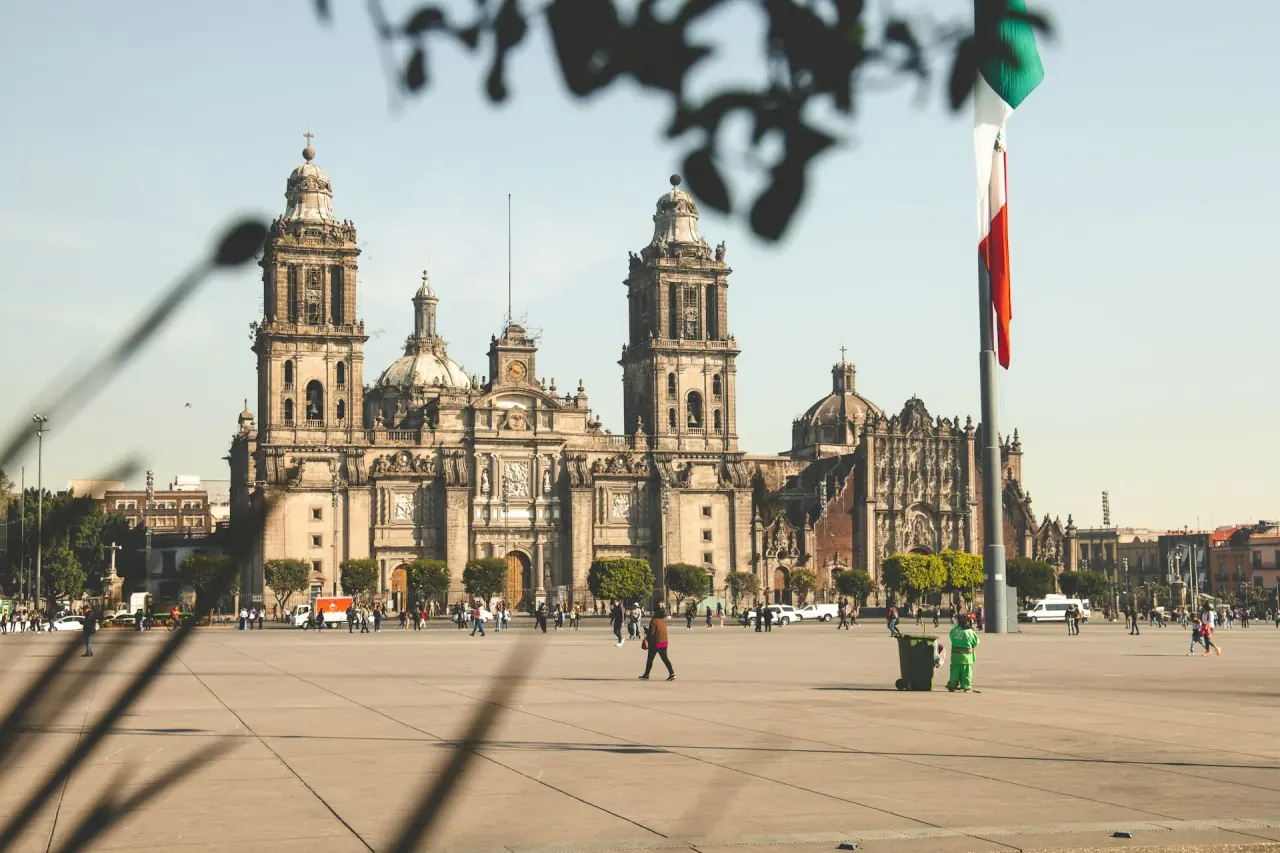
More from The Edit

Honest Take
Costa Rica Travel Advisory: A 2026 Safety Guide for Travelers
Costa Rica's reputation as Central America's safest country remains earned, but the 2025 increase in petty crime and isolated violent incidents has changed the advisory landscape. Here is the honest 2026 picture.
9 min read
Travel Guides
Is It Safe to Travel to Mexico in 2026? — An Honest State-by-State Guide
The US State Department has Do Not Travel warnings for six Mexican states. It also has Exercise Normal Precautions for three of Mexico's most popular tourist destinations. The distinction matters enormously — and most travel guides don't explain it.
13 min read

Travel Guides
Best Places to Travel in Mexico in 2026 — A Region-by-Region Honest Guide
Mexico is not one country for travel purposes — it's a Yucatán Peninsula, a Mexico City, an Oaxaca, a Baja California, and a dozen other distinct geographies that share a border and very little else. Here is how to choose.
12 min read