
Istanbul vs Athens: Which City Should You Visit First?
Two cities built on ancient foundations, both claiming to be where Europe meets something else entirely. Istanbul is bigger, louder, and more overwhelming. Athens has the best single monument in the world. The comparison is less obvious than it looks.
The comparison seems obvious until you've been to both. Istanbul has 15 million people, two continents, 2,500 years of continuous history, and a food scene that puts most European capitals to shame. Athens has the Acropolis — which is, without competition, the most significant ancient monument still standing — and a ferry connection to 200 Greek islands. Neither is better. They are different categories of experience, and the right choice depends entirely on what you're seeking.
Planning this trip?
Find flights now
Compare prices across 700+ airlines and OTAs in one search — find the real lowest fare without the inflated middleman markup.
Search flightsNeed a place to stay?
Search hotels
History and Monuments: Athens Wins Narrowly
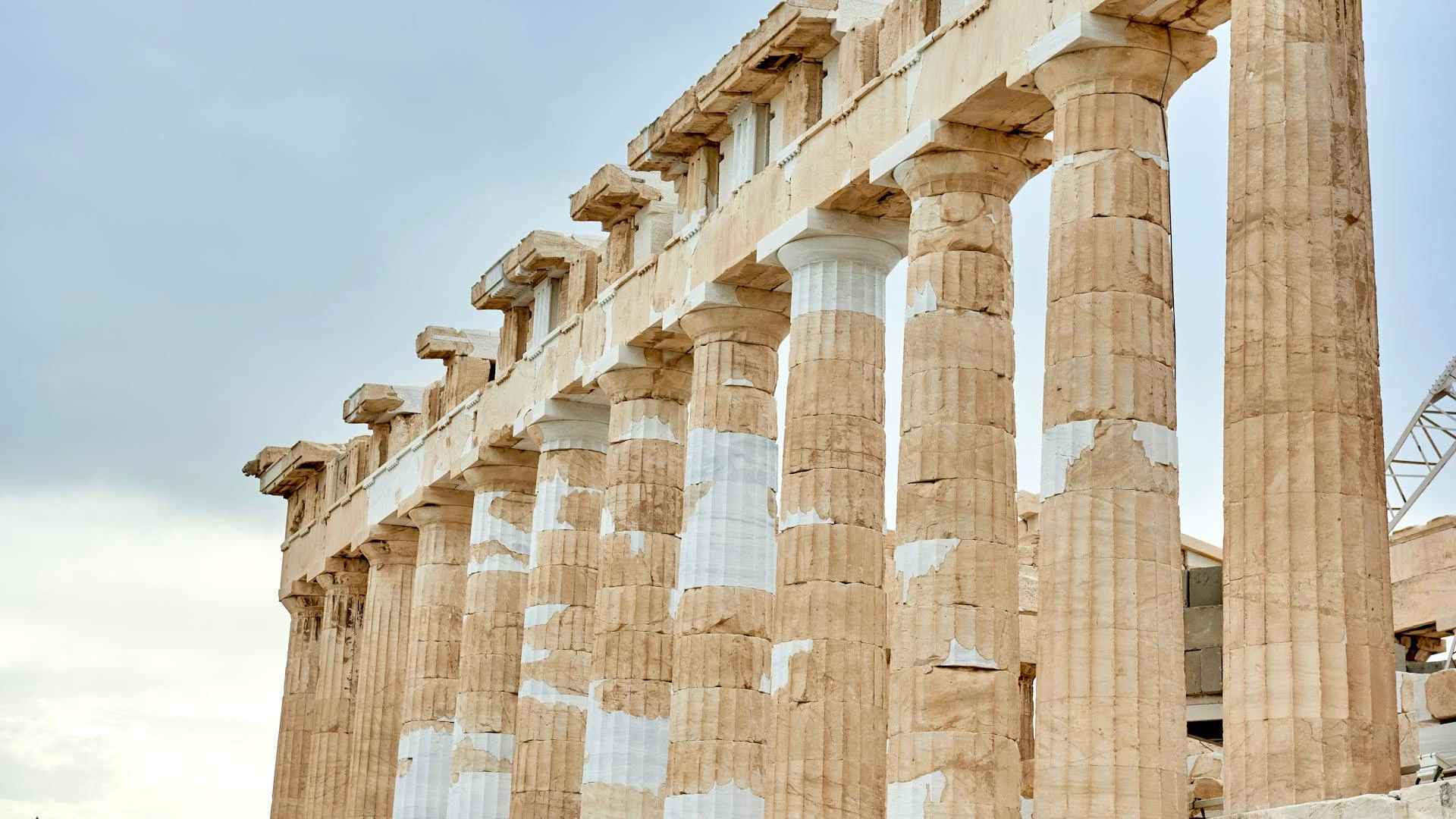
The Acropolis gives Athens an advantage that is genuinely difficult to overstate. Seeing the Parthenon in person — a temple built in 438 BC that is still structurally standing, on a hill above a functioning modern city — is an experience unlike any other in the world. The Acropolis Museum below it is one of the best designed archaeological museums in Europe. Istanbul's historical layer is different rather than lesser. Hagia Sophia (532 AD), Topkapi Palace (400+ years of Ottoman rule), the Grand Bazaar (1461), and the Basilica Cistern (6th century) together represent a more diverse historical range than Athens. But no single monument matches the Parthenon for raw impact. **Verdict:** Athens for the single greatest ancient monument. Istanbul for the widest historical range. Note: the Acropolis now requires advance booking — same-day tickets are rare in peak season. This is worth knowing before planning your Athens day.
Food: Istanbul by a Clear Margin
Istanbul's food scene is one of the world's best and remains significantly underrated outside Turkey. The combination of Central Asian, Middle Eastern, Caucasian, and Balkan culinary traditions — filtered through 600 years of Ottoman palace cuisine — produces a diversity that Athens simply cannot match. Specific advantages: Turkish breakfast (kahvaltı) is genuinely one of the best meal experiences in the world — a spread of cheeses, olives, eggs, honey, pastries, and fresh bread that lasts two hours and costs €8–12. The meyhane (tavern) culture in Beyoglu produces evenings of meze, grilled fish, and rakı that are hard to replicate anywhere. Street food (simit, kokoreç, balık ekmek) is exceptional quality at minimal cost. Athens is not a food disappointment — good tavernas, excellent mezze, fresh seafood, and the best street souvlaki you will eat. But it cannot compete with Istanbul's breadth. **Verdict:** Istanbul is one of Europe's top three food cities. Athens is a solid but narrower food destination.
Cost: Similar Mid-Range, Istanbul Wins Budget
Both cities are cheaper than Western Europe for mid-range travel. **Istanbul** (approximate 2026 prices): boutique hotel €80–150/night, restaurant meal €8–18, public transport <€1 per journey, major attractions €10–20. The Turkish lira's ongoing depreciation means Istanbul continues to offer excellent value for visitors paying in euros or dollars. **Athens** (approximate 2026 prices): boutique hotel €90–180/night, restaurant meal €12–22, public transport €1.20–1.50, Acropolis ticket €20–30 (seasonal pricing). Athens is more expensive than Istanbul at all levels, though still cheaper than Paris or Amsterdam. **Verdict:** Istanbul is 20–30% cheaper across the board. For budget-conscious travel, the difference is meaningful. Important note: both cities have tourist-pricing restaurants near major sites. The 5-minute walk away from the Acropolis or Hagia Sophia to eat at neighbourhood restaurants saves 40–60%.
Ease of Travel and Logistics
**Athens** is significantly easier to work through for first-time visitors. The historic centre is compact, the metro connects the airport to the city efficiently (40 minutes, €9), Uber works well, and English is widely spoken in tourist areas. Most of what you want to see in Athens is walkable from the Acropolis. **Istanbul** requires more planning. The city is vast (15 million people across two continents). The tram, metro, and ferry network is thorough but involves multiple systems. The Grand Bazaar's 4,000 shops can be disorienting. Navigating between Sultanahmet, Beyoglu, and the Asian side in one day requires either good transport planning or a resigned acceptance of spending time on buses. For travellers with limited time or limited experience with complex cities: Athens is lower-friction. For travellers who want depth and don't mind complexity: Istanbul rewards the effort. **Verdict:** Athens is easier. Istanbul is more rewarding if you invest the time.
Which to Visit First: The Honest Answer
If you have **3–4 days**: Athens. The Acropolis, the Plaka neighbourhood, and a day trip to one of the Saronic Islands (Hydra, Aegina) is a complete, satisfying trip that doesn't require complex logistics. If you have **5–7 days**: Istanbul. The city reveals itself slowly — Sultanahmet on day one feels overwhelming, but by day four, the Asian side feels like a neighbourhood you actually know. If you want **island access**: Athens. The Greek island ferry network departs from Piraeus (30 minutes from central Athens). Istanbul does not offer equivalent access to island destinations. If you want **the best food of the trip**: Istanbul. There is no question. For most first-time visitors to the region: visit Athens first (shorter trip, the Acropolis is unmissable) and plan Istanbul as the longer dedicated visit it deserves.
Istanbul vs Athens: how to actually make the decision
Istanbul and Athens are both European gateway cities to deeper civilisations, and both are worth far more time than most itineraries allocate them. **The case for Istanbul.** Istanbul's physical scale is unlike any other city in Europe. With 16 million people spread across two continents, it is genuinely vast — and within that scale, the density of historic architecture, the Bosphorus waterway, the neighbourhood-level cultural variation (from Karaköy's design scene to Balat's Jewish and Greek heritage to Kadıköy's Asian side food markets), and the food scene create a city that rewards multiple visits and still yields new material. The food is the immediate practical argument for Istanbul: the combination of Turkish, Ottoman, and Anatolian influences means the restaurant quality is exceptional at every price point. **The case for Athens.** Athens has undergone a genuine transformation since 2015, driven partly by economic necessity (cheaper rents attracted creative businesses) and partly by a global reassessment of Greek culture. The result is a city where the Acropolis and the National Archaeological Museum anchor one of the best contemporary restaurant scenes in Europe, a craft cocktail culture, a gallery district (Metaxourgeio), and a neighbourhood hospitality culture (particularly in Monastiraki, Psyrri, and Koukaki) that was largely invisible to international visitors a decade ago. Athens is also significantly cheaper than Istanbul for accommodation and food. **The verdict.** For scale, food complexity, and a city that rewards extended time: Istanbul. For a city that combines exceptional archaeology with a contemporary scene at better value: Athens. Both deserve more than a weekend.
Frequently asked questions
Athens is easier for a first trip: it's compact, English is universally spoken in tourist areas, transport is intuitive, and a 3-day visit covers the main classical sites without feeling rushed. Istanbul rewards a longer stay and more active exploration — it's a city of neighbourhoods rather than a concentrated historic core, and crossing the Bosphorus between Europe and Asia adds a layer that Athens doesn't have. For complexity-to-payoff ratio, Athens is more accessible; for depth and variety, Istanbul wins if you have more than 4 days.
Istanbul and Athens are both among Europe's most compelling cities. Athens delivers the world's most important ancient monument in a compact, navigable city with island access. Istanbul delivers scale, food, and cultural depth at a level that few cities in the world match. The good news: they are not in competition. Visit Athens for the Acropolis and the islands. Visit Istanbul for the meyhane evenings, the Bosphorus crossings, and the breakfast spreads. Visit both if at all possible.
Get there
Flights
One search across 700+ airlines — find the real lowest fare for your dates.
Search flightsWhere to stay
Hotels
Browse verified hotels and stays — instant confirmation, secure booking.
Book on KKdayThings to do
Activities
Tours, attractions, and day trips — free cancellation on most experiences.
Book on KlookTours & Experiences
Book the experiences, not just the trip
Skip-the-line tickets, guided tours, and day trips — free cancellation on most, confirmed instantly.
About the author
Camille Laurent
Senior Travel Editor · Based in Lisbon · Bali
Camille has spent the last 9 years living in or reporting from over 60 countries. Former contributor to Condé Nast Traveler and Monocle, she focuses on Southeast Asia, Mediterranean Europe, and the Middle East. Currently based between Lisbon and Bali.
More from The Edit

Itineraries
5 Days in Istanbul: The Honest Itinerary (Old City, Asian Side, and What Actually Matters)
Istanbul is the city that rewires your sense of what a city can be — two continents, three empires, 15 million people, and a Bosphorus strait that makes every crossing feel like crossing time. Five days is enough to understand why people move here.
13 min read

Itineraries
10 Days Greek Island Hopping: The Perfect Route
The Greek islands are 6,000 in number and impossibly varied. Ten days with the right ferry connections reveals how different Santorini's volcanic drama is from Naxos's mountain interior, Paros's marble villages, and Milos's coloured rock formations.
14 min read

Hotel Picks
Best Boutique Hotels in Marrakech Under €250 a Night
A bad riad in Marrakech costs the same as a great one. The difference is in the details — the quality of the zellige tiles, whether the pool is seasonal, how seriously the kitchen takes the morning meal. Here are the ones worth the transfer.
10 min read